


“Bombcept”: The album Wings could never recover from

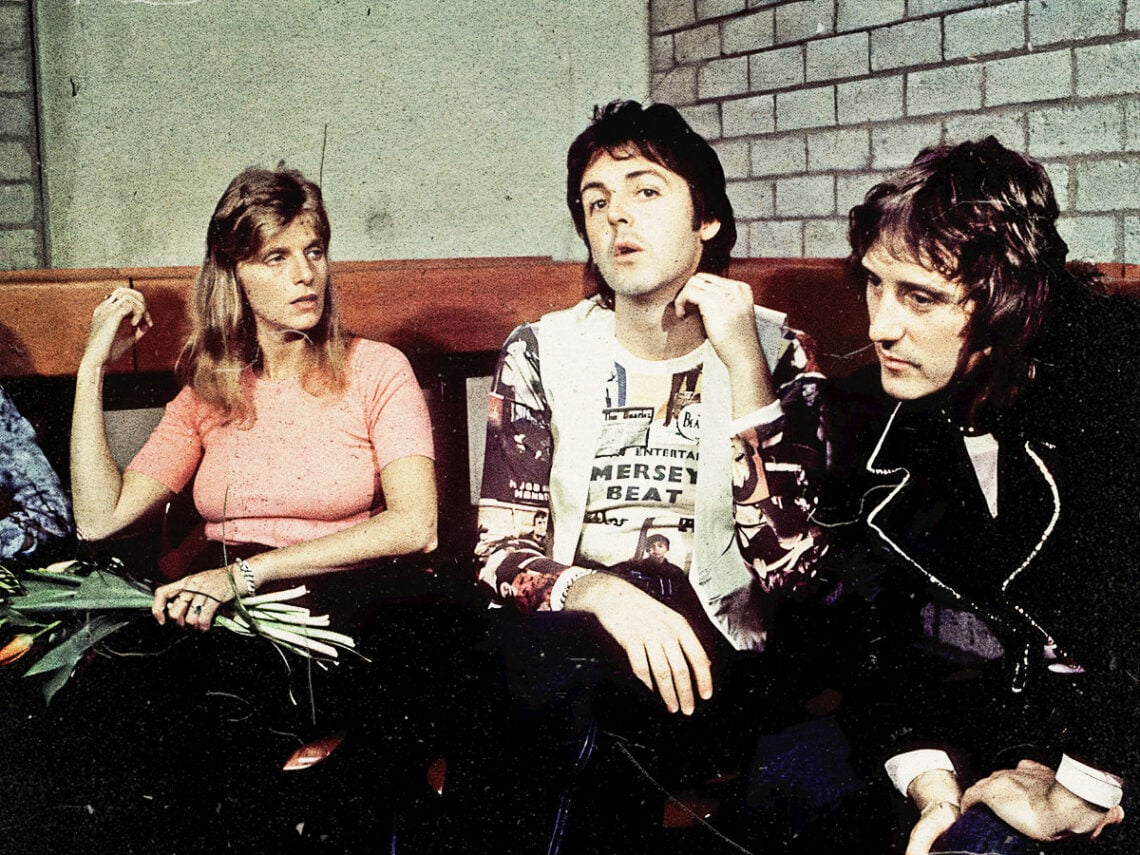
Listening to ‘Arrow Through Me’ by Wings, you felt as though you were confronted with a band hitting their stride.
It was arguably their most experimental tune yet, harnessing the power of the diverse 1970s attitude to go further into funkier realms. It wasn’t your traditional hit, sporting something of an inverted chorus, but the groove was an exciting new addition for Wings that hinted towards a bright new future.
But the remaining parts of Back To The Egg failed to hit the same heights. Nothing about the record felt quite as compelling as ‘Arrow Through Me’ and the rich sense of groove that laced the standout single seemed to go missing as the band got lost in exploring this muddled narrative concept of a band returning to their ‘protective shell’ of playing live music.
“It ended up being a bit of a concept, a ‘bombcept’,” McCartney commented. “But we did it with Chris Thomas, and Chris was never that happy with the sort of work that we were getting together. I mean, we were having a good time and stuff. But I mean, when you’ve done, like you say, 15 albums since The Beatles, they can’t all be good. I mean, you know, I’d defy anyone who has had every single album as a cracker.”
Ironically, it marked a very similar situation to McCartney’s previous band at the tail end of their decade, where, released in 1979, Back To The Egg was the sound of Wings hitting their expiry date, while Abbey Road in ‘69 was the sound of an iconic band beautifully combusting on their grand exit.
Maybe McCartney had a strict ten-year limit when it came to forming bands? Maybe his creative intensity was so single-minded that after ten years in a room with him, musicians simply couldn’t continue any longer? Reductive, I know, but that was the case with The Beatles to some degree, whereas for Wings, the band came to a more natural decline.
“I think the group just broke up after that, you know,” he said, explaining the loss of spark, “Fizzled out, like an egg fizzling out. I can’t remember actually why it sort of broke up after that. But as I say, you know, it wasn’t easy doing the band. We had a lot of problems and stuff. And that wasn’t one of our better albums. We’d come into it thinking it was going to be quite good, that one.”

Ultimately, the priorities had shifted by 1979. When Wings first formed at the beginning of the decade, McCartney was facing a serious career crossroads. Freed from the expectation of The Beatles but wholly unsure as to what a solo career for him looked like, the band served as an unexpected remedy that allowed him to rediscover the joy of collaboration.
By the end of the decade, he had completed his recovery and was no longer the most famous musician in the world. Sadly for Denny Laine, he was no longer required, and their relationship suffered for it, but for music, it was an exciting new chapter that saw a rejuvenated solo McCartney return to the charts, soundtracked by the emphatic single ‘Coming Up’.
