


The 1976 album that turned every song into a disco chart-topper

In the mid 1970s, a movement began that not even the steely defence of rock and roll could stop.
Buoyed by the boundless enthusiasm of music’s most culturally diverse decade, a pocket of New York’s most marginalised communities decided to spearhead a new movement. One that was devoid of rock and roll’s aggression and instead embraced euphoria through the sounds of cross-contaminated influences.
A community made up of largely Black, Latino, and LGBTQ+ individuals, who were all seeking a safe space to dance, pioneered what would forever be called disco. A desire for continuous funk and a driven rhythm built this new genre that not only sped up the bass lines, but incorporated strings, horns and the signature chicken scratch guitar style into this layered world of dance music.
It was beloved by those who adopted its euphoria and hated by those scared of it. Thinly veiled homophobia was packaged into an industry dislike of the genre, questioning its legitimacy as actual music and claiming it as nothing but a footnote on the broader worlds of rock and roll. But under the heavy thumb of oppression, this new movement continued to flourish, and one woman became proudly known as ‘The Queen Of Disco’.
Donna Summer didn’t just take disco into the commercial chart realms, but she also pioneered the artistry within it. Proudly representing this marginalised community, she proved how innovative the music could be and ultimately inspired a generation of new disco artists behind her, the most notable of all being Nile Rodgers.
He said, “I’d never heard anything like it before,” when talking about ‘Love To Love You Baby’. “It sounded like an angel was whispering in my ear, trying to seduce me on the dance floor. The next day I went out and bought a copy and it just blew me away. This was about the time when I was trying to formulate the concept for Chic, and I would be less than honest if I tried to say that record didn’t have a big influence on me.”
Again, the proof of her success is in what came beyond that. Sure, ‘Love To Love You Baby’ was a bona fide hit, one that was readymade for radio play. But she also knew how to craft an album and let the relentless sounds of disco’s rhythm bleed across multiple tracks to make something considered and crafted. The most surefire proof of that was her ‘76 album Four Seasons of Love, which, at five tracks, all more than five minutes long, distilled the disco sound into one concise record.
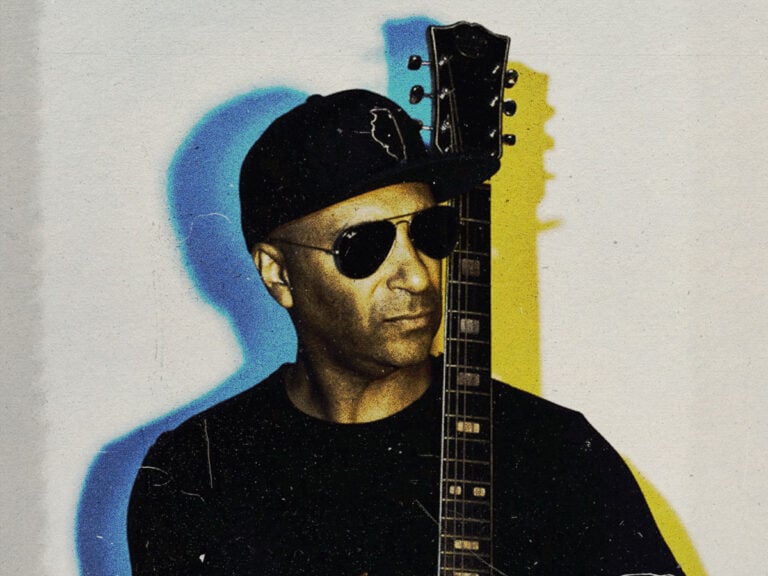

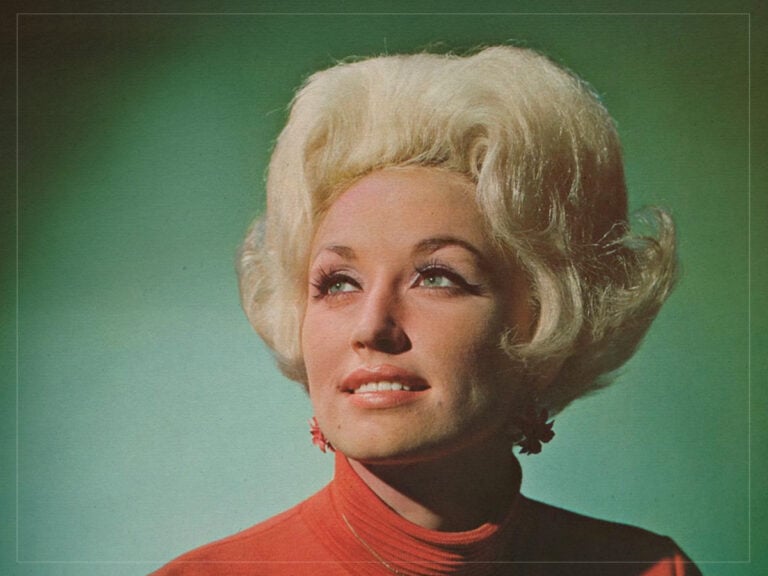
Rodgers continued, “Donna felt to me like a comet in the universe that came around and burned brightly and was reliable every time. She had a string of amazing hit records. It wasn’t just ‘Love to Love You Baby’, albums such as Four Seasons of Love were incredibly well orchestrated and well thought out.”
Despite the record being her most high-brow attempt at disco, delivering something of a concept album with two songs on side one and three on side two, all of them still individually went to number one on Billboard’s disco chart. With this timeless album, Summer proved to the sisco nay-sayers that this wasn’t just a passing trend, it was here to stay.
