


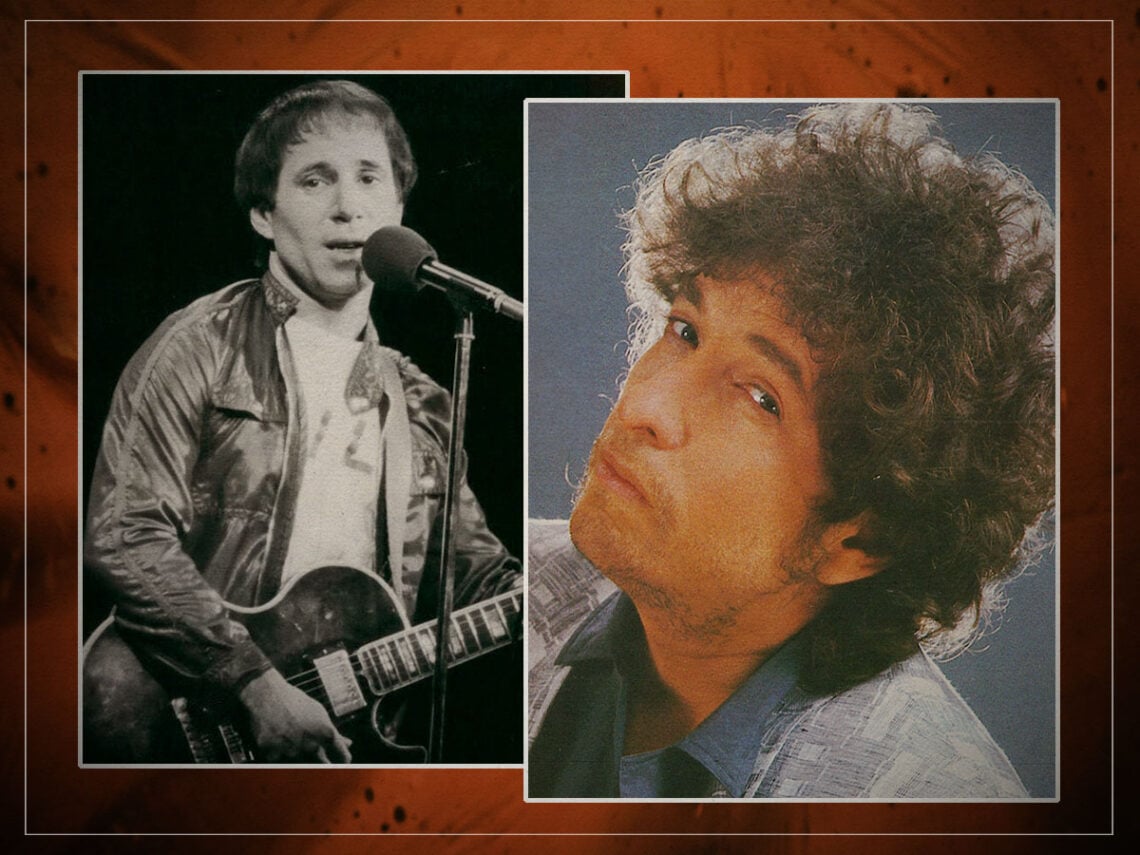
The album that made Paul Simon give up on Bob Dylan: “It didn’t move me”

There’s no rule saying that fans must always be loyal to their favourite artists. There are often a few times where even the greatest artists have projects that don’t sit well with their diehards, and that normally involves them having to do a bit of course correction so they can get back in everyone’s good graces. But Paul Simon was never afraid to take a risk whenever he made a new song, and that meant going out on a limb and trying things that no one had ever done before.
Simon & Garfunkel had already been paving a way in the world of folk-rock, but listening to Simon’s solo work, there’s a lot more going on than the simple strum-along tunes. He would throw in the occasional acoustic ditty, but listening through Still Crazy After All These Years, he was as interested in seeing where he could go once he had a few jazz chords under his belt or when he strayed away from the typical pop song structures.
For anyone following his old duo, though, this should have been nothing new. Simon had already been working on tracks like ‘Bridge over Troubled Water’ by listening to classical music, so it’s not like he was tied to making strictly folk-rock. However, his career shakeup was running almost parallel with Bob Dylan’s, and while Simon managed to make a great solo debut, he couldn’t say the same when Dylan started moving towards more rustic music.
The singer always felt like the earnest inverse to Dylan’s sarcastic side, but hearing him embrace country on Nashville Skyline was when he jumped off, saying, “He defined the genre for a while. That’s quite an accomplishment. But no longer. Not to me. When Nashville Skyline came out, a lot of groups started to play country music, but it didn’t move me. The rock-country sound has the same limitation as country music. There were some great songs, but you were working within a very limited musical scope.”
But it’s not like country-rock was one-note from back to front. What Dylan was doing was folk on country’s terms, and while he did eventually snag country icons like Johnny Cash to do a version of ‘Girl From the North Country’, there were far more interesting things going on in the country-rock sphere if people knew where to look.
Gram Parsons was bringing that outlaw spirit to California, and while Eagles did eventually become one of the biggest bands in the world, it’s not like they didn’t have their adventurous side, either. Simon was far more interested in hearing how specific lines relate to each other in a melody, but it was much easier for Don Henley and Glenn Frey to sit down and strum away until they found the iconic chord progressions to ‘Desperado’ or ‘Hotel California’.
And for a genre with a “limited musical scope”, the next generations have continued to build on what country-rock was supposed to be. Steve Earle was a pioneer of alternative country throughout the late 1980s, and even to the latest music from the genre, everyone from Jason Isbell to Ruston Kelly has been making a name for themselves by incorporating everything from heartland rock to emo into their sound now and again.
Simon could have critiqued Dylan all he wanted for going country, but anyone can innovate within a genre. It might be traditionalist in some respects, but at the end of the day, both folk and country started off with a bunch of artists with acoustic guitars in their hands, and as long as they’re getting the sounds that they want to hear, it’s good enough to put it down on record.

Never Miss A Tale
The Far Out Bob Dylan Newsletter
All the latest stories about Bob Dylan from the independent voice of culture.
Straight to your inbox.