


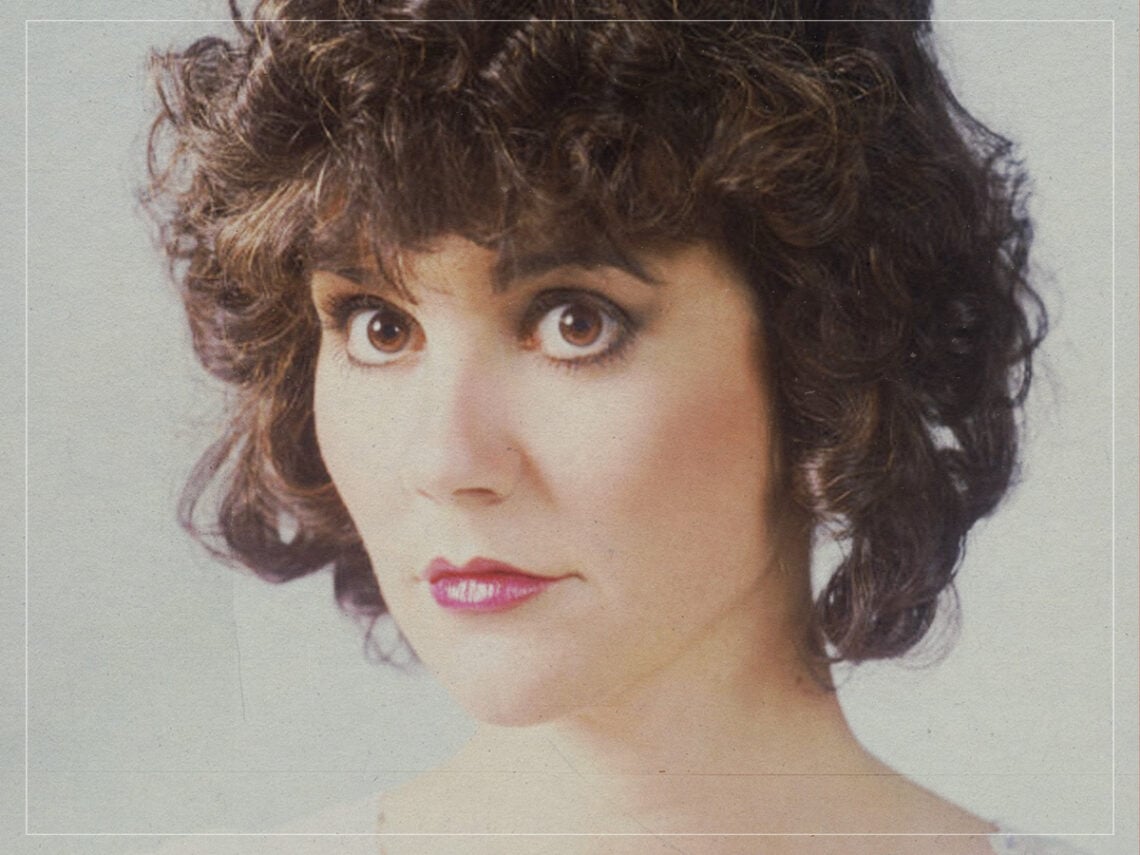
The album that changed Linda Ronstadt’s life: “I was trying to buy chicken”

By the mid-1970s, Linda Ronstadt was firmly on her path to becoming one of the biggest solo performers in the US, having worked hard at her craft for over a decade in order to reach the highest level.
Most people would dream of having these levels of success, where you’re touring the world and playing the most esteemed venues to avid fans of your work, all while hitting the top of the charts and selling millions of records. However, this always comes with a catch, and being successful in the arts often comes with an additional level of stress that most people wouldn’t usually consider when laying out their aspirations of fame and fortune.
No longer can you live in anonymity, and people constantly want to know your every move when you become an icon, and Ronstadt would have known that well in advance of having reached the apex of her career. After all, she’d been pursuing a career in music for over 10 years by the time she had her biggest hit with ‘You’re No Good’, and therefore, she would have known that people would be constantly bowing down to her once she found this level of success.
That being said, no amount of preparation can help you navigate the trickiest fan encounters, and considering how rapid Ronstadt’s ascent was, there would undoubtedly have been moments where she was caught off guard by interactions that she was having with her newfound acolytes. It may sometimes be a pleasant experience to speak candidly with fans, but it’s often best when done within or close to the context of performing, and not when you’re trying your best to live life normally.
In fact, when she came to releasing Heart Like A Wheel in 1974, the album from which ‘You’re No Good’ was taken, alongside her famous renditions of The Everly Brothers’ ‘When Will I Be Loved’, Buddy Holly’s ‘It Doesn’t Matter Anymore’, and Hank Williams’ ‘I Can’t Help It (If I’m Still in Love With You)’, she noticed that she was no longer able to be seen in public and avoid interacting with people. This was, ultimately, the record that changed Ronstadt’s life, and not necessarily all for the better.
Her career may have taken off, but her existence as an ordinary human being came under threat, and she was no longer doing the things that made her feel normal or grounded. In a 2017 interview with Uncut, she spoke about how not only the scene around her had shifted, but her entire life had changed, and how difficult it was to navigate this.
“By that time, the scene at The Troubadour had wound down so we didn’t see each other’s concerts as much,” she explained. “Life got a little bit more isolated then. It became a little bit more difficult to go to the market and shop because people would say, ‘Sign your autograph,’ while I was trying to buy chicken. So I’d get a person to go to the market for me.”
So, next time you think that fame and celebrity status is something that you’re after, pause and think for a moment: do you want to be mobbed every time you go outside, or do you want to be able to buy chicken in peace?
