


“The worst song I’ve ever heard”: Buddy Holly, John Wayne, and an uncanny 1957 classic

The sun beat down on Lubbock, Texas, in the summer of 1956 with the sort of intensity typically reserved for scenes in western movies when the hero is stranded in the desert. The withering rays were enough to even heighten an ambitious teenager’s sense of waywardness.
So, as Buddy Holly, Jerry Allison, and Sonny Curtis wearily made their way down Texas Avenue, they decided to duck into the local movie theatre and save themselves from being scorched. Beyond shade and hydration, they were perhaps looking for a sense of purpose, too.
Suitably enough, the movie playing at that time was The Searchers. There could hardly have been a more apt title. The young rock ‘n’ roll trio had, after all, made their way through blistering elements befitting of a John Ford epic, on a mission to find a smattering of inspiration for their next Decca demo. It wouldn’t be long at all before John Wayne provided it. His character’s rather lyrical catchphrase, “That’ll be the day,” seemed to have a workaday punchiness to it that the youngster thought may well produce a hit.
They certainly needed one. Decca had taken a speculative interest in Buddy Holly and his young band, but their first session for the label had failed to suggest that they were set for the same lofty heights as Elvis Presley. While the emerging King was enshrined in an aura of superstardom, Buddy and The Two-Tones, as they were known then, embodied almost the antithesis of that. They could have been any kids in America. Nothing about them stood out.
The group knew this themselves, but they weren’t deterred. After all, they’d just walked out of a rousingly received John Wayne movie, and if he proved anything, it was America’s appetite for an everyday hero. So, to the youngsters, ‘That’ll Be The Day’ presented itself as the perfect track to launch the humble three-piece as the resonant heart of the new rock ‘n’ roll boom. Sadly, the second session went far worse than the dreary first.
At least John Wayne had a level of competency. Decca producer Owen Bradley could not say the same for Buddy’s band and their latest attempt at a hit. He left the session with one devastating utterance, “The worst song I’ve ever heard.” Even the group themselves rued trying too hard and coming up short with ‘That’ll Be The Day’. But they also figured that there was enough to its proletarian appeal not to cast it to the ash heap of history right away. That much was proven by one lucky quirk of fate.
As they cut the disastrous, high-pitched, over-paced take of the track at the ill-fated Decca session, a repairman just so happened to be lingering somewhere in the vicinity. Whether he noticed the less-than-enthused atmosphere and was just being kind, or he had genuinely liked the supposedly shoddy 1956 recording, as everyone shuffled to the exit with the expression and gate of fellows who had just mutually trodden in dog dirt, the repairman suddenly voiced a favourable review.

While Buddy Holly and his band knew that they hadn’t nailed it, this parting word was just about enough for them to cling to the idea that the concept of the song could perhaps strike a chord with the masses if they managed to get it right. Could one repairman really be wrong? There was still enough hope clinging to the song that they figured it might bring a John Wayne underdog appeal to the radical ways of rock ‘n’ roll. They’d be proven right in September 1957, but it still had a few paces to move through just yet.
Decca had wanted the track as a country hit, but it failed to pass muster. Released from their contract, Holly and his buddies tried their luck at Roulette. They wanted a cleaner, poppier incarnation. But again, the demo failed to receive a green light. Three or four other major labels turned it away.
But in the process, the song was steadily becoming a strange all-American blend of influences and inspirations, a simple John Wayne epithet still at its heart. The band were gathering greater appeal with each hard knock. So was the song.
Eventually, it made its way to Bob Thiele at the Decca subsidiary Coral/Brunswick, and even though his superiors declared the track to be “a joke” a few leagues below “the culturally, historically, or aesthetically important” song that the US National Recording Registry now considers it, Thiele caught a glimpse of the charisma it contained. He was charmed enough to go against the criticism of the label’s execs, and he gave the song a shot with the group now going as The Crickets.
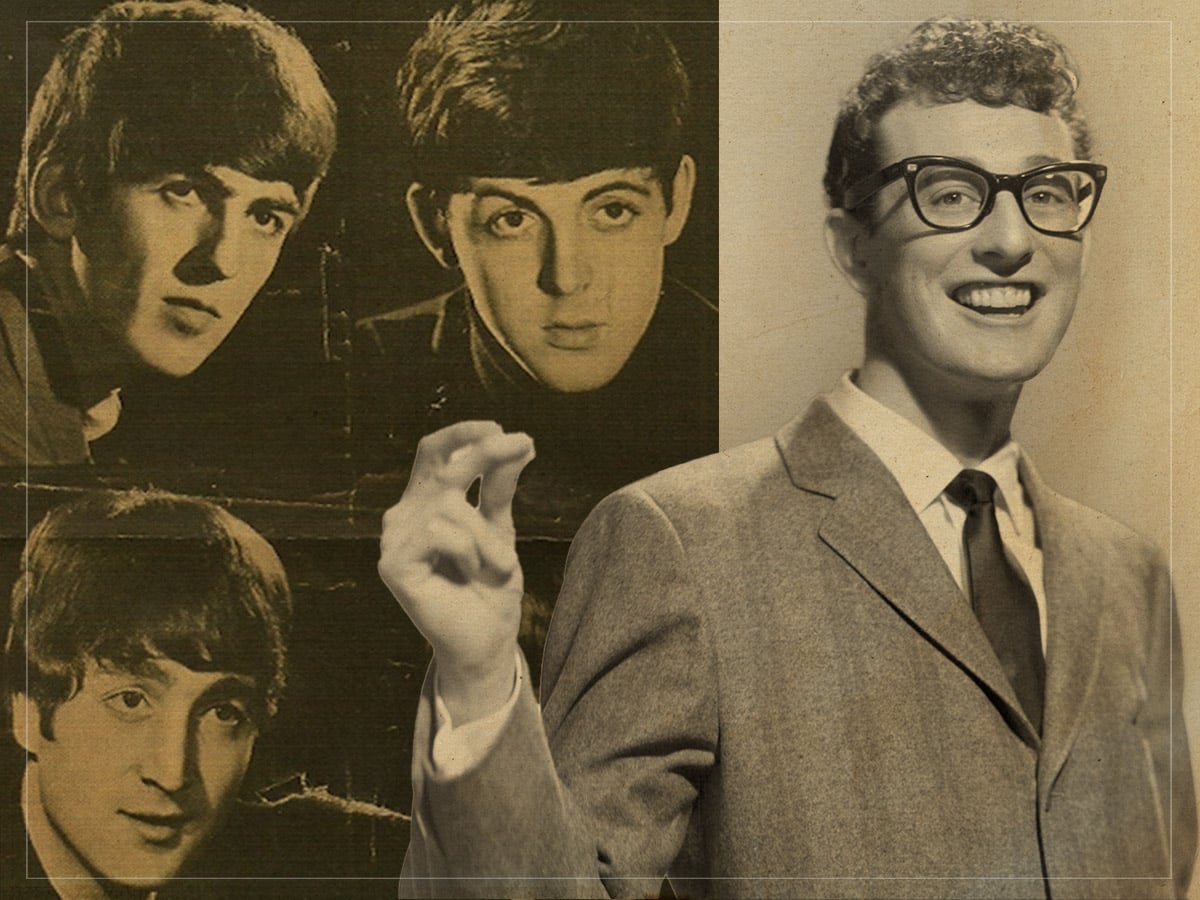
Its success wasn’t instant. It would take almost four months for it to top the charts, but when it did, it changed the world. Case in point of its mammoth impact was the fact that the very first song that The Quarrymen ever recorded was ‘That’ll Be The Day’. That group would go on to sell more than 600million records as The Beatles… a figure that might never be beaten (and probably never will be). And they always made it clear that they were indebted to the song once described as “the worst” to darken Decca’s doors.
The harmonies, the self-written nature of the song, the blend of genres, the visceral youthfulness, the mass appeal, the pop culture wink, and the earnest charm all collided to make a humble hit a hammer blow of cultural influence. The giants of rock ‘n’ roll were really being established, and now there was a new star that seemed to open the door for the less openly performative.
As Paul McCartney would reflect in Guitar Player, “It’s something when people turn you on, something I don’t think you ever forget. It’s so deep when you’re young, too. The turn-on, when you’re younger, is so intense. It burns itself into your soul, hearing ‘That’ll Be The Day’ and ‘Heartbreak Hotel’ and ‘What’d I Say?’ They burned themselves into my being.” Consider the ripples of that for a moment.
Bob Dylan would reflect a similar senitment of being awed by the casual charm of Buddy Holly and his band, commenting, “Buddy wrote songs, songs that had beautiful melodies and imaginative verses. And he sang great, sang in more than a few voices. He was the archetype, everything I wasn’t and wanted to be,” he said. Fatefully adding, “He looked me right straight dead in the eye, and he transmitted something. Something I didn’t know what. And it gave me the chills.”
Perhaps the most important point in Dylan’s appraisal is that he wrote the songs. And he wrote them as a normal, hungry, young guy, for normal, hungry, young people. Without him, we might not have known that was possible.
But thanks to the everyday heroism of John Wayne and the everyday thumbs up of an errant repairman, youthful originality was stopped at the doorway to despair and given just enough praise to impart a belief that wayward kids really might be able to make their mark and give hope to the masses: that’ll be the day.

Never Miss A Beat
The Far Out Beatles Newsletter
All the latest stories about The Beatles from the independent voice of culture.
Straight to your inbox.