


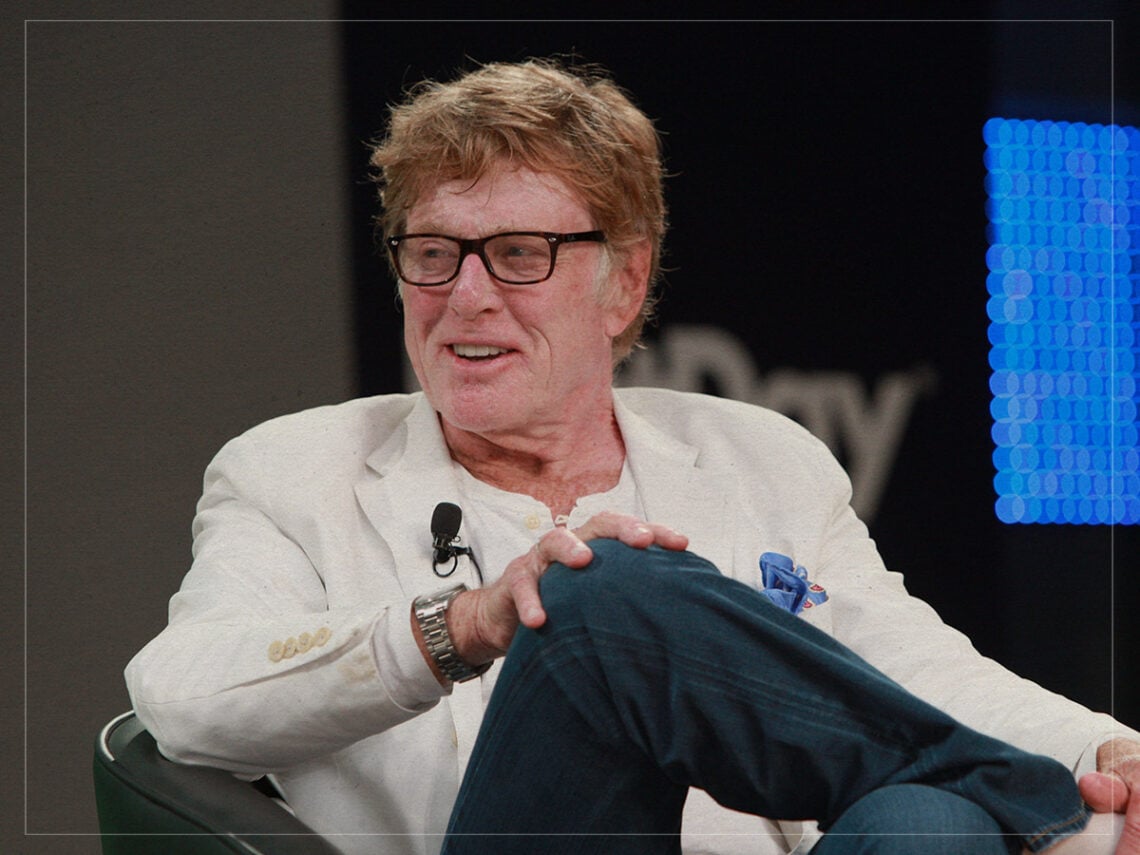
The 2011 TV show Robert Redford refused to star in: “We tried desperately”

There are many reasons why Robert Redford is one of the most singular and recognisable figures in Hollywood history, and no one could convince him to do a sitcom.
He starred in many great political thrillers in the 1970s, developed a winning screen persona, made a ‘Best Picture’ winner with his directorial debut as a filmmaker, founded the Sundance Film Festival, and served as a vocal proponent of environmental and social causes, but Redford stands head and shoulders over most of his contemporaries because he consistently showed good taste, and appeared in very few films that didn’t work.
While Al Pacino, Robert De Niro, and Dustin Hoffman are recognised as being the best actors of the ‘70s, they all somewhat diluted the strength of their résumés by appearing in a fair number of garbage films. Redford would occasionally take a few hits, but he rarely signed up for a film just for the money and seemed fairly protective about preserving his image.
Even Indecent Proposal, a film that won the Razzie award for ‘Worst Picture’, featured a performance by Redford that even the harshest critics had to admit was pretty good, everything else considered.
The actor grew even more restricted towards the mid-20th century, in which his directing seemed to take precedence, and his acting roles were reserved for more exclusive situations. He had long been an object of desire for Betty White, who asked him several times to appear on the sitcom Hot in Cleveland, which she starred in for six seasons, and although the team had written a special role just for him, Redford turned down the opportunity to be in the two-part special.
Suzanne Martin, creator of the show, explained that they could not secure Redford for the show, saying: “We tried desperately to get him.”
His refusal isn’t surprising, given that he had always seemed to dislike Hollywood and the clout around certain celebrities. Unlike many of his contemporaries, Redford wasn’t the type to voice himself on The Simpsons, host Saturday Night Live, or engage in recurring bits with late-night hosts. It’s part of the reason he was still a draw, even later into his career, because he limited what he would do to ensure that anything he was involved in felt like a big deal.

Years later, Better White joked: “I never want to meet him because all these years I answer every question I get about men with his name,” she said. “If I ever did meet him I’d be so embarrassed.”
It briefly seemed like 2011 was around the time that Redford was slowing down in his career, as he shortly thereafter completed work on The Company You Keep, the final film in which he served as a director. However, he ended up finding a surprising resurgence among younger viewers when he appeared in two Disney films, Captain America: The Winter Soldier and Pete’s Dragon.
Both films made use of his legendary persona: the former was modelled after paranoia thrillers like Three Days of the Condor and All the President’s Men, while the latter dealt with the same type of environmentalist themes that Redford had frequently advocated for.
The multi-hyphenate managed to cap off his career as a star with two other roles that felt fairly conclusive. All is Lost was a survival drama from director JC Chandor that was almost entirely wordless and relied solely on his strength as a dramatic actor, and later, The Old Man and the Gun was a playful, yet very heartfelt heist adventure that felt like a spiritual sequel to Butch Cassidy and the Sundance Kid and The Sting. It’s hard to imagine closing out a filmography in a stronger way.
