


“Just a regular geezer”: The 2005 role Gary Oldman feels closest to

Following his time at drama school, Gary Oldman starred in various theatre productions, determined to become a professional. He’d been inspired by Malcolm McDowell to become an actor, enthralled by his on-screen presence. By 1982, Oldman had landed a part in his first film, Remembrance.
The following year, he appeared in Mike Leigh’s Meantime, playing an unemployed skinhead alongside another future star, Tim Roth. This early performance was hard to ignore – he was irritating and rude, a racist who reflected the Thatcher era’s lack of acceptance of other identities and cultures.
Proving himself capable of playing complex, often controversial roles, Oldman went on to portray another multi-layered character, Sid Vicious, in Alex Cox’s Sid and Nancy. His performance was widely praised, with Oldman hailed as one of his generation’s greatest new talents.
From there, he was soon landing more significant opportunities, and by the early 1990s, he was establishing himself in blockbusters like JFK (playing Lee Harvey Oswald), Bram Stoker’s Dracula, True Romance, and Leon: The Professional. During this time, he earned a reputation for playing evil characters, mastering these characters a little too well.
Who can forget Oldman’s Drexl Spivey in True Romance? With a mysterious scar on his face, dreadlocks, gold teeth and a milky, dead eye, the character has an unnerving presence, becoming one of the most memorable characters in the film. Despite being terrifying and ruthless, Drexl is also laced with humour. This is a white man who thinks he’s black, trying to act tough without seeing the ridiculousness of his attempt to emulate a style that he clearly can’t pull off.
In Leon: The Professional, he’s slightly more menacing as Norman Stansfield, a DEA agent who surpasses the word ‘corrupt’ – he’s pure evil. After visiting Mathilda’s family apartment to confront her father, who is stashing cocaine for him, he murders the whole family, including her four-year-old brother. When Mathilda returns home and discovers the crime scene, she seeks revenge, starting off a chain of events that leads to Stansfield’s downfall. Oldman is incredible as the soulless villain, always making his scenes terrifying and claustrophobic – this is someone you really don’t want to get involved with.
Oldman’s reputation as a scary, villainous actor was truly cemented after these roles. He’d played vampires and criminals, hardly presenting himself as a friendly, charming guy. Yet, in reality, Oldman doesn’t relate to any of these parts, finding himself reflected in the kinder characters he’s occasionally played. In an interview with ONTD, he revealed, “I don’t know how it happened. I really don’t. I was this… psycho guy. I just got into these parts. Then it… it… contaminates people. And they think that you’re Crazy-Scary-Gary.”
It’s a common paradox for actors who disappear so completely into their performances. The more convincing they become on screen, the easier it is for audiences to assume the intensity must stem from their real personality. Oldman’s greatest gift has always been his ability to inhabit characters so fully that the distinction between actor and role temporarily disappears, making his villains feel unsettlingly authentic rather than theatrically exaggerated.
That success, however, also encouraged Hollywood to keep returning to the same well. Throughout the 1990s, filmmakers repeatedly cast Oldman as the unpredictable antagonist because he had proven few actors could match his combination of volatility, intelligence and charisma. While those performances became career-defining, they also obscured the remarkable range that would later earn him acclaim in more restrained, empathetic roles.
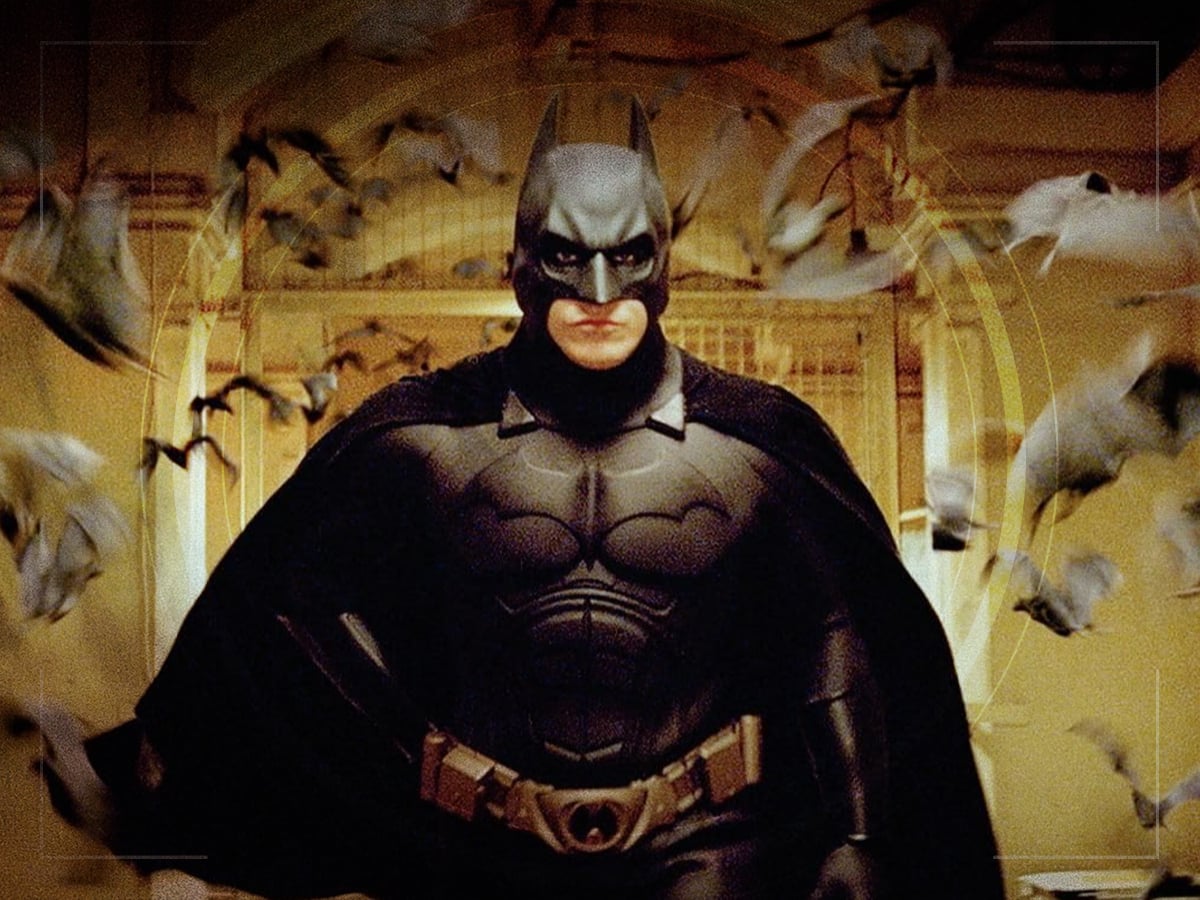
In reality, “The closest character to me is Jim Gordon,” he admits. The character appears in The Dark Knight trilogy and remains a close friend to Batman throughout the series, trusting him to fight crime in Gotham City. Explaining why he likes the character, he praised Gordon for having “a good sense of right and wrong,” calling him a “Family man. Just a regular geezer.”
For Oldman, playing nice guys is just as rewarding as playing villains, and he’s evidently just as capable of both. Still, it’s impossible to separate Oldman from those iconic evil roles that made him so famous because they’re just so unforgettably good.
