


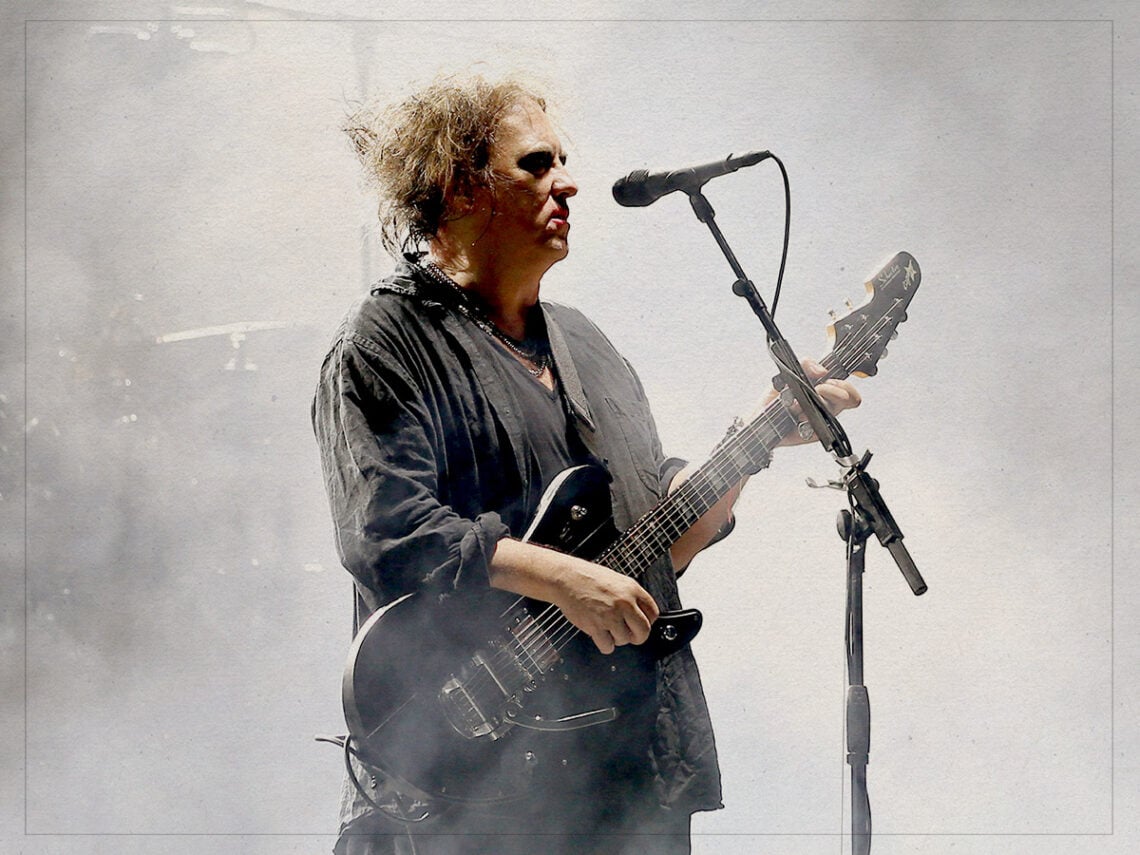
The 2000 album so good Robert Smith refused to break up The Cure: “I’m not so sure now”

The point at which an iconic band becomes a legacy act is often the point when they should start thinking about calling it a day. There’s only so long you can trade on nostalgia before performances begin to feel like karaoke versions of songs that once changed the world.
But somehow, The Cure have managed to avoid that fate. With each passing year, they continue to headline shows that sound every bit as vital as they did in their prime.
We’re now in the decade that marks 40 years since their emergence into the charts. To put that into context, that’s the same time that existed between The Beatles’ seminal album Sgt Pepper’s Lonely Hearts Club Band and Arctic Monkeys’ debut record. Through that lens, four decades feels like a musical eternity, yet somehow The Cure have drawn it closer. Festival headline shows, new albums and modern day collaborations have felt less like a return to the past and more a celebration of the timelessness of great music.
It wasn’t some grand plan from Robert Smith and The Cure to create a career that lasted the ages. In fact, what made them so great was that their music spoke to a very specific time period; in fact, they were tailor-made for the ‘80s with their brand of underground rock and whimsical pop. It was desperately hopeful, just like the world they existed in.
But when the new millennium came, a natural bookend for the band presented itself. An unknown future awaited, and to Robert Smith, the only certainty was that The Cure didn’t belong there. He said, “I had every intention of Bloodflowers being the last Cure record. I thought it would be fantastic to finish with the best thing we’d ever done, but I wasn’t sure we could pull it off.”
But The Cure had consistently beaten the odds in their career, and Bloodflowers was no different. While it naturally completed the trilogy preceded by Disintegration and Pornography, it also proved how Smith’s songwriting style could exist in a more contemporary soundscape. The thematic vulnerability and spacious musical arrangements opened the door to a new world that has ultimately allowed for The Cure to exist so importantly today.
Looking back on the record, Smith continued, “Well, the weird thing is I really enjoyed doing it. I love how it’s turned out, and I’m really enthusiastic about the band again, which I haven’t been for a while. So, it’s made me have a bit of a rethink about it being the last album. I’m not so sure now.”

History has proven that Bloodflowers was anything but a last album. It might have been a conclusion to a trilogy, but no less than it was the beginning of a new creative marathon that shows no signs of letting up anytime soon.
In fact, The Cure’s most recent two albums, Songs of a Lost World and Mixes of a Lost World, have that sense of sonic expanse that Bloodflowers introduced all those years ago and may not have existed without them. Ultimately, it’s continued proof that of all the great bands to exist over the decades, The Cure are the most nimble with their songwriting.
