


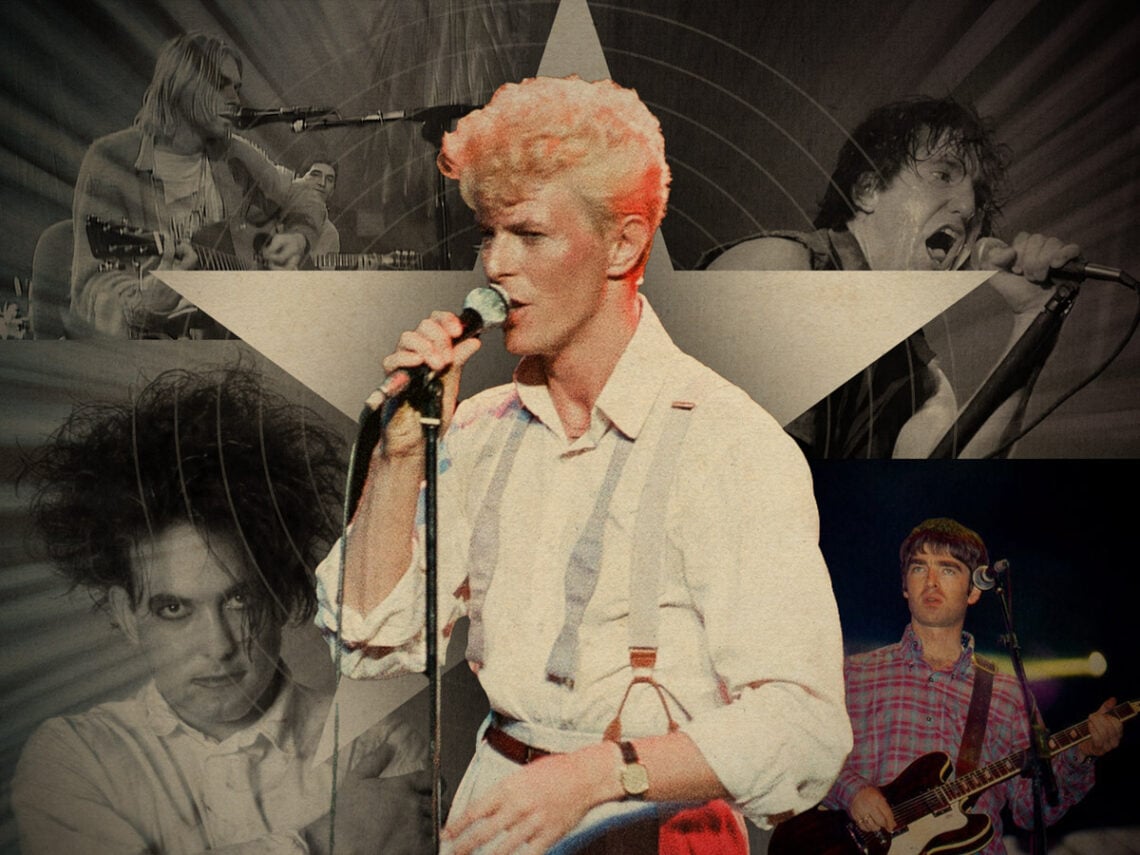
The 20 best covers of David Bowie songs

With such an illustrious career spanning decades, David Bowie would push the boundaries of rock and roll and become a major figurehead of music.
With his unrelenting and unique talent, Bowie went on to inspire countless musicians throughout his career and, in homage to his brilliance, a number of those artists paid tribute to his work through their own renditions of his material. While using someone else’s originality to express oneself isn’t naturally aligned with Bowie, the truth is, the singer loved a cover too.
Across his own career, Bowie took on songs from some oft he brightest talents of the 20th century, paying homage to artists such as Brian Wilson, Nina simone and many more. But perhaps owing to his inability to be anybody but Bowie, the singer preferred to stay original wherever possible. But uniqueness is like a burning flame to a whole colony of musical moths, and he has attracted some great covers of his own material.
The list for any avid Bowie fan may not be too much of a surprise. Naturally, there is room on there for the likes of Nirvana and Bauhaus, with their covers of iconic Bowie tracks—but there are also a few unfamiliar musical tributes to the man who spent much of his career ascending to the stars. The real beauty of this list of greatest Bowie covers comes with the sincerity with which each cover was made. There’s a touching sense of connection on every cover that most artists couldn’t muster for just anyone.
Then again, Bowie wasn’t just anyone. He provoked within people a total sense of artistic courage and creative direction that inspired artists and captivated audiences in equal measure. Another British institution, and bastion of her own singular style, Kate Bush was a gigantic Bowie fan and, after his death, said of the singer: “David Bowie had everything. He was intelligent, imaginative, brave, charismatic, cool, sexy and truly inspirational both visually and musically. He created such staggeringly brilliant work, yes, but so much of it, and it was so good. There are great people who make great work but who else has left a mark like his? No one like him.”
“I’m struck by how the whole country has been flung into mourning and shock,” continued the ‘Wuthering Heights’ signer with utter admiration. “Shock, because someone who had already transcended into immortality could actually die. He was ours. Wonderfully eccentric in a way that only an Englishman could be. Whatever journey his beautiful soul is now on, I hope he can somehow feel how much we all miss him.”
Such an imposing figure of music makes for a list of covers that was incredibly exclusive. Some acts choose to be like Icarus and go as close to Bowie’s burning sun as possible and, quite often, find the same fate as the Greek myth. However, the acts below have managed to toe the line between paying homage to the great rock and roller and using his own art to inspire theirs and offer a perfect interpretation.
Whether you love Bowie or really love him, this list is bound to give you some joy.
The 20 best David Bowie covers of all time:
‘Heroes’ – Choir! Choir! Choir!/David Byrne
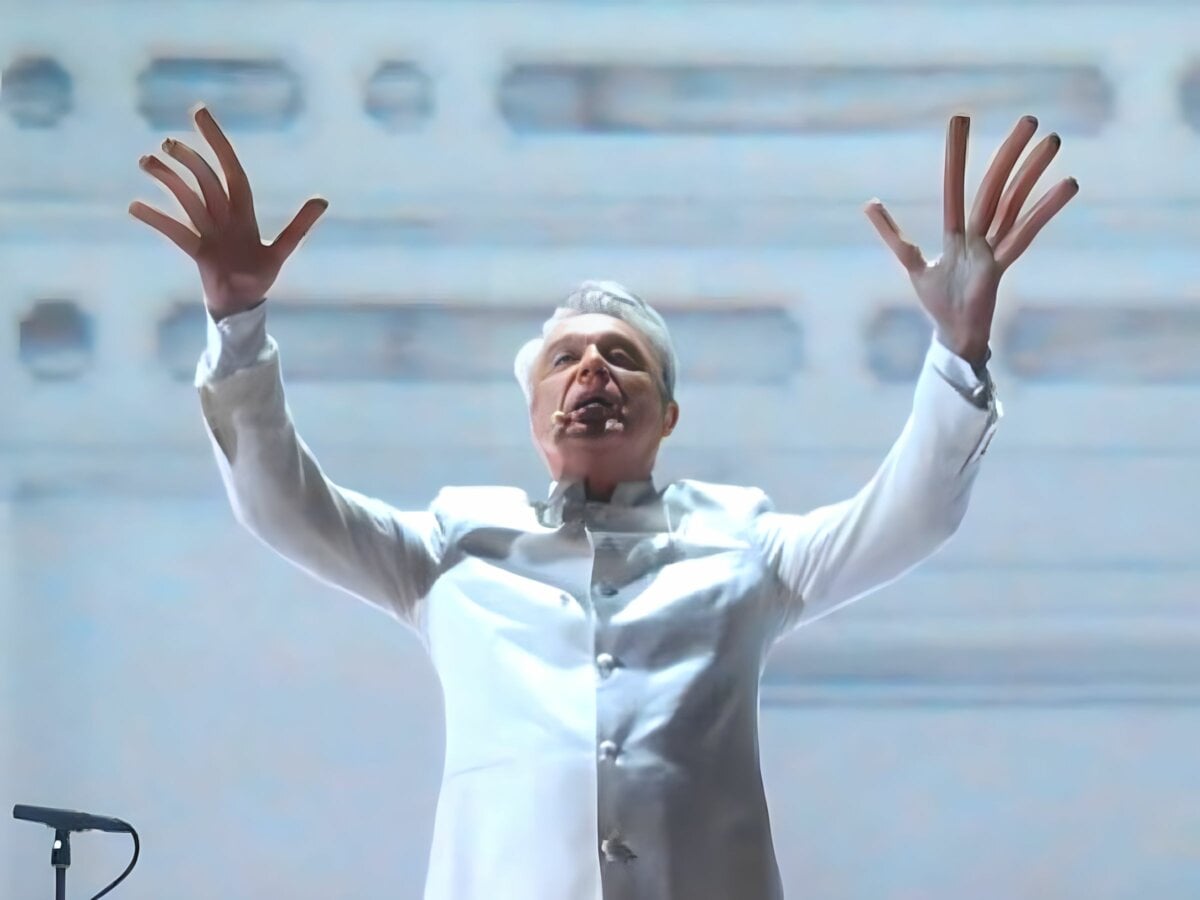
Let’s get one thing straight right off the bat: you are going to see a lot of covers of ‘Heroes’ on this list. That should be no surprise.
The track can be most easily equated to David Bowie as ‘Yesterday’ is to Paul McCartney. And by that, we mean that not only is it their most famous song, but it is also perhaps the most ubiquitously covered and most easily derided by hardcore fans.
However, that doesn’t mean it can’t provide a bit of a smile here and there. If you’re in search of such a facial controtion then hearing David Byrne and a huge choir perform the track as it should be (in choral unison) should provide that tightening of your jaw.
‘Under Pressure’ – Karen O and Willie Nelson
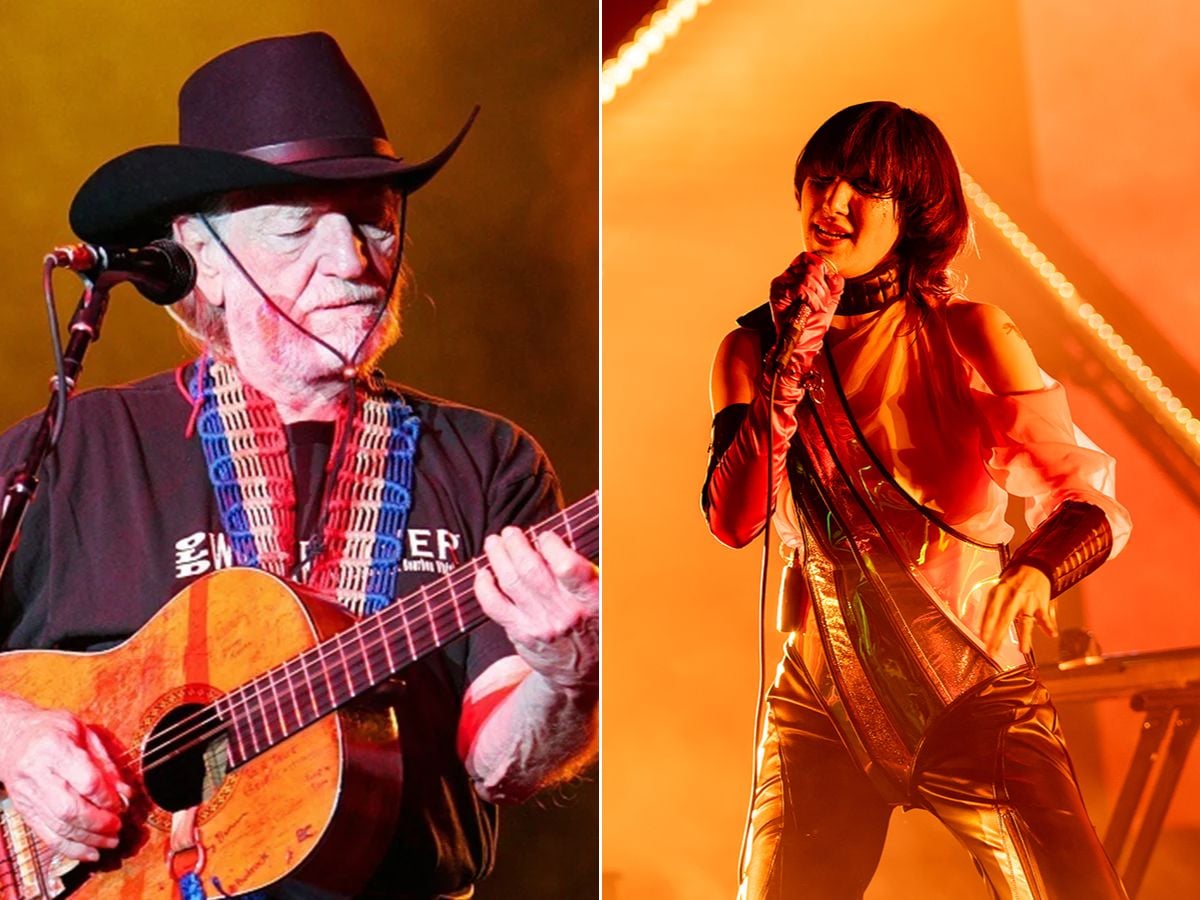
There’s a case to be made that Bowie and Freddie Mercury’s verbal jousting on ‘Under Pressure’ equates to one of the most perfect pop performances of all time. When you hear about the song’s inception that appreciation increases just a little more.
A track penned amid a hefty coke binge in the Swiss mountains, like some kind of James Bond movie, is enough to make you forever adore the song, but it also allows two singers to go head-to-head in the most interesting way. That is a task taken up by Karen O and Willie Nelson in this cover.
Weirdly introduced to one another by Johnny Knoxville, the two singers, one of indie sleaze fame and the other of being Willie Nelson, combine in a lilting country number, pulling the track down to the most heartening version you are likely to hear.
‘Heroes’ – King Crimson

We did warn you.
Perhaps it is because of Robert Fripp’s connection with the original recording or because Fripp and King Crimson really understood the track’s sentiment. Still, the band does a stand-up job covering the iconic track in this 2016 recording from a Berlin concert.
Fripp recalled how he came to work on the original song: “I got a phone call when I was living in New York in July 1977. It was Brian Eno,” he said.
“He said that he and David were recording in Berlin and passed me over. David said, ‘Would you be interested in playing some hairy rock ‘n’ roll guitar?’ I said, ‘Well, I haven’t really played for three years – but, if you’re prepared to take a risk, so will I.’ Shortly afterwards, a first-class ticket on Lufthansa arrived.”
Naturally, this cover is weird and wonderful.
‘Five Years’ – Cowboy Junkies
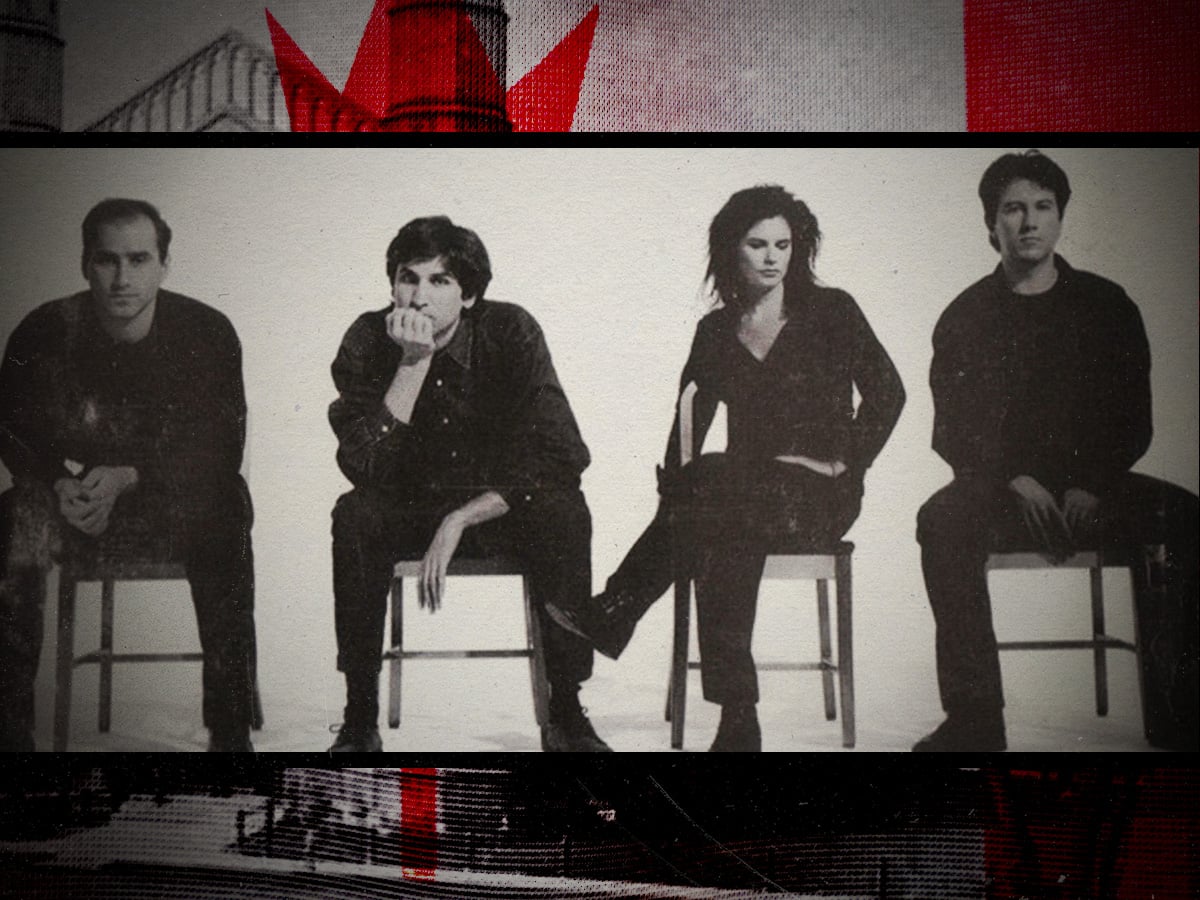
There’s something particularly balanced about alt-country legends Cowboy junkies that allows them to take on the brilliance of another artist and make a song their own at the same time. It’s a skill they perfectly apply to ‘Five Years’.
Perhaps one of Bowie’s most underrated songs, the track is beautiful for many reasons, and all of them are David Bowie’s magical and mystical lyrics. In it, he manages to authentically describe a scenario where the “earth is really dying”, and the world is in need of Ziggy and his Spiders.
Cowboy Junkies bring it back down to earth, making the tune feel perfect for a desert movie where our protagonist contemplates the horizon as a challenge he will never complete.
‘I Can’t Give Everything Away’ – Spoon
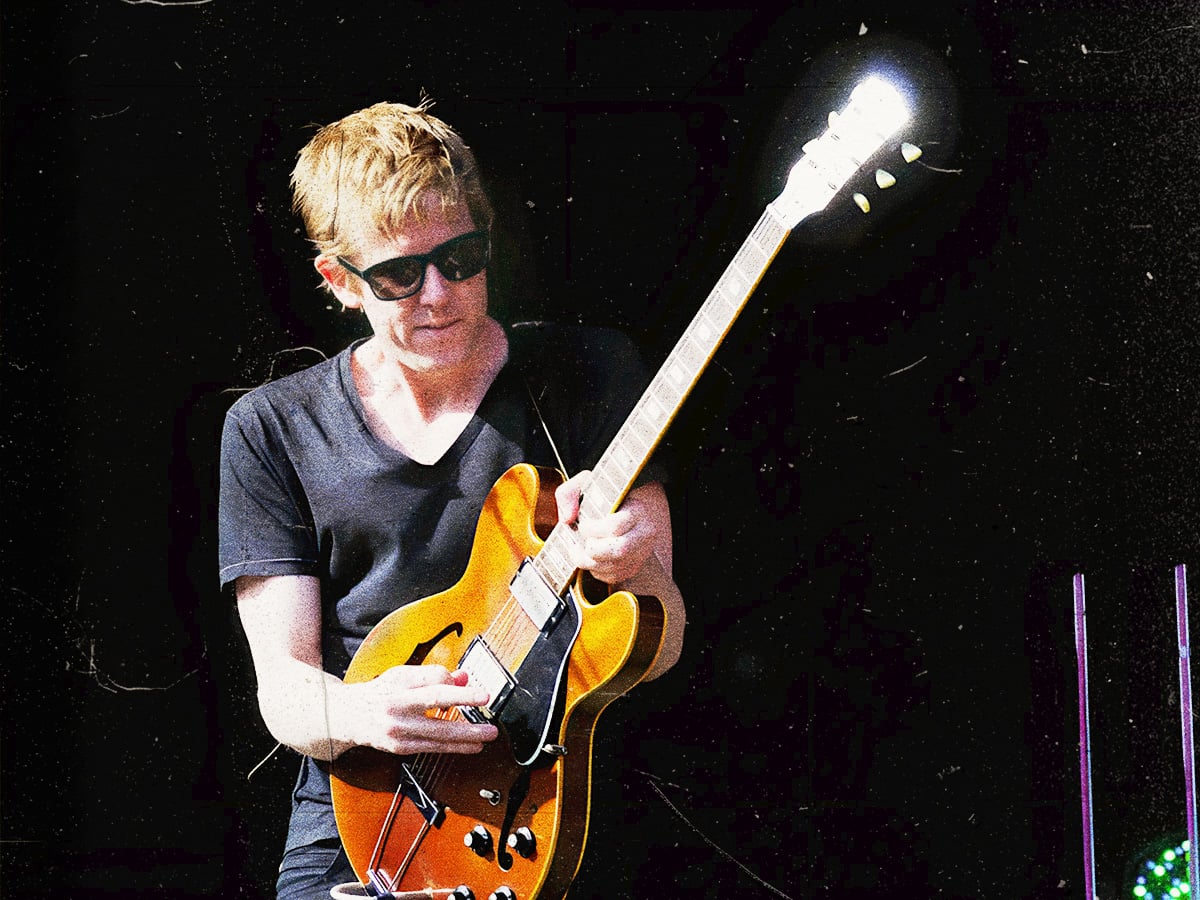
There won’t be many songs from Bowie’s final album, Blackstar, on this list. And there’s a good reason for it.
The record isn’t just Bowie’s final message to the world he knew he was leaving behind, making it perhaps his most personal release, but it is also entrenched in the leftfield jazz twangs that seemed to bring the artist comfort in his final moments. It means covering the songs is damn hard.
But Spoon take on ‘I Can’t Give Everything Away’ with a panache that says they’re true fans.
‘Lady Grinning Soul’ – Tally Brown
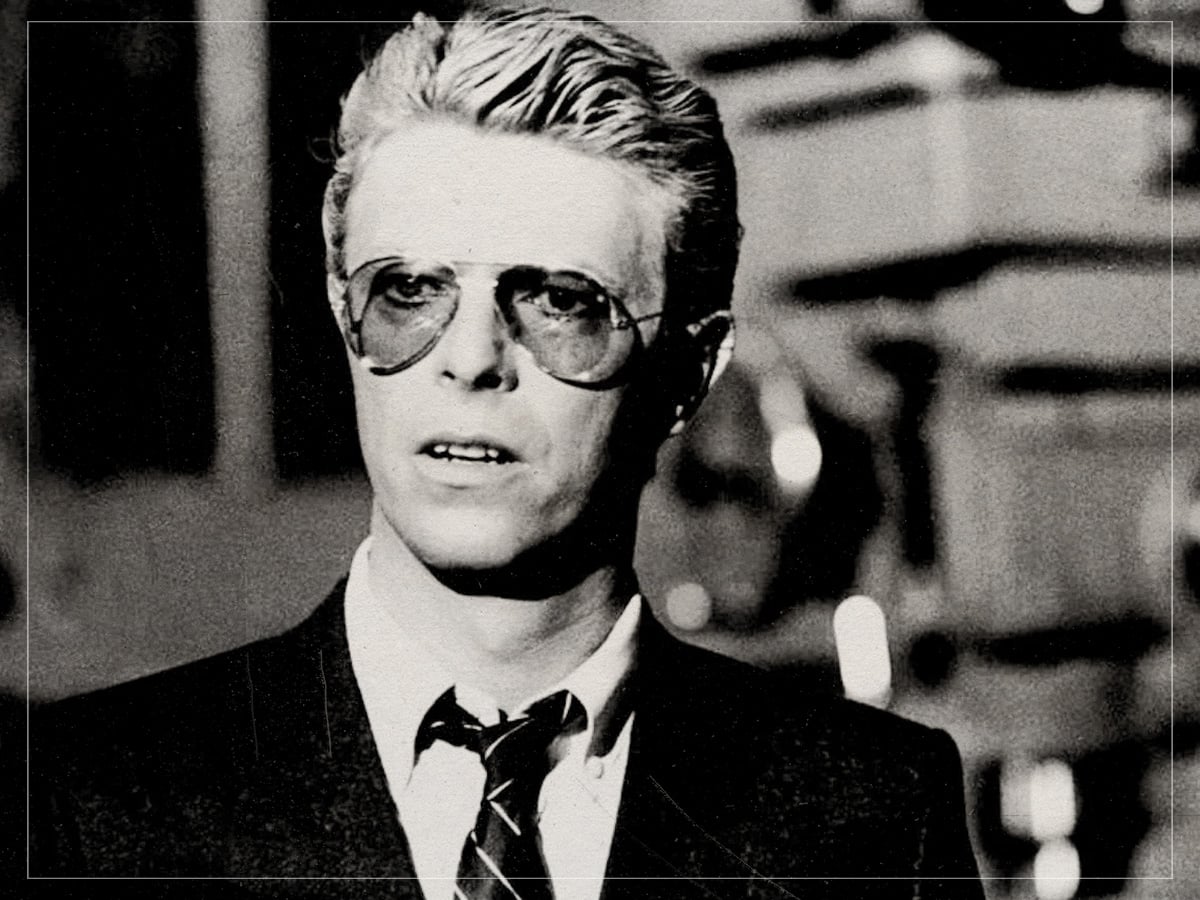
There’s a good case to be had that Bowie would be largely unimpressed by being covered. So deeply connected to the idea of original artistry that he’d probably prefer these singers take their talents and use them elsewhere. But this one would have undoubtedly made him smile.
Performed by Tally Brown, a beloved underground cabaret artist from the 1970s NYC scene, our singer takes on the tone of Marlene Dietrich to bring a truly bountiful cover of ‘Lady Grinning Soul’, a track already doused in wondrous pathos.
Moving the song into first person, it feels like it takes on a brand new life with Brown, which might be the reason it could bring a grin out of Bowie.
‘Space Oddity’ – The Langley School Music Project
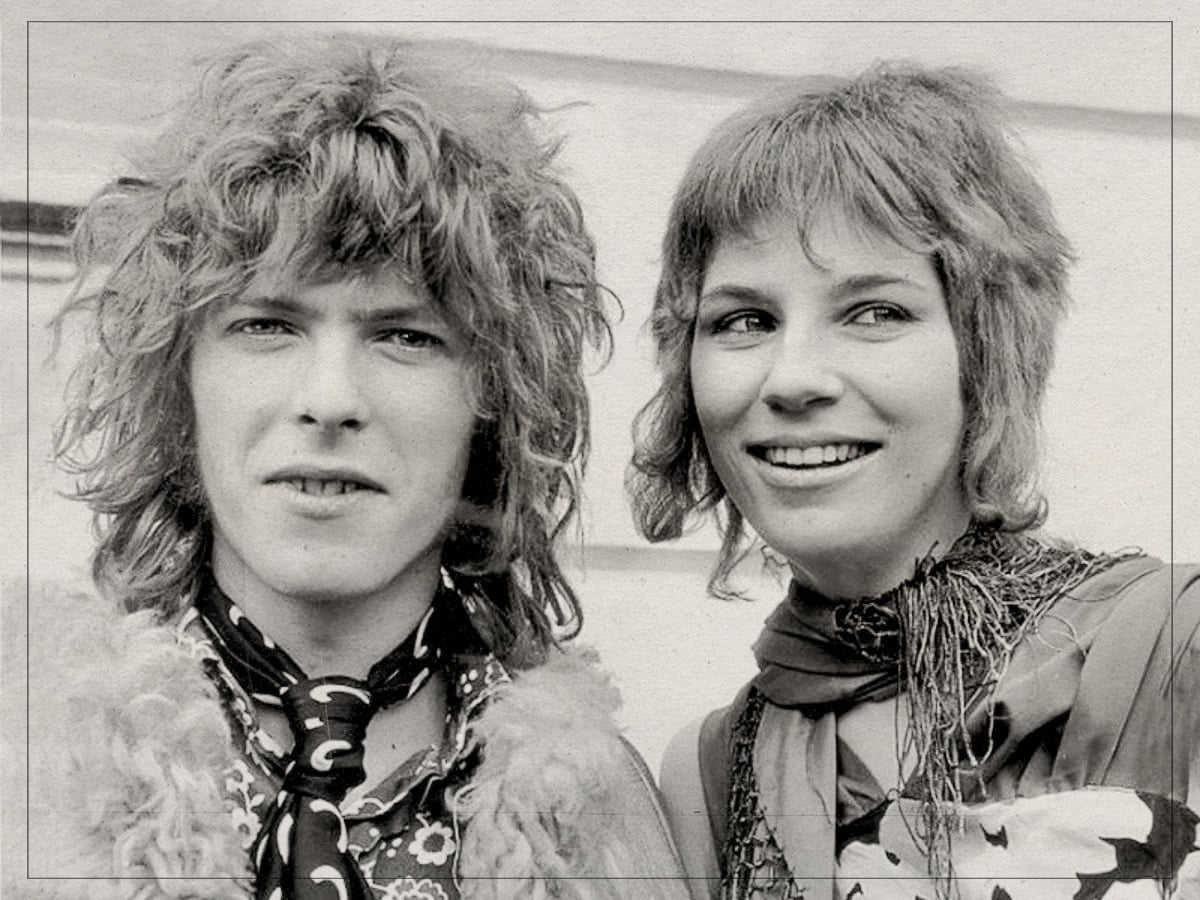
Among the most unusual interpretations are those by the Langley Schools Music Project, a group of Canadian schoolchildren led by teacher Hans Fenger.
Rejecting traditional “cute” children’s music, Fenger encouraged emotionally raw performances, resulting in haunting covers of songs like ‘Space Oddity’. Initially self-released in the 1970s, the recordings were rediscovered in 2000 and reissued as Innocence and Despair. Their stark, melancholic beauty earned critical acclaim—and even praise from Bowie himself.
“The backing arrangement is astounding.” Bowie said, “coupled with the earnest if lugubrious vocal performance, you have a piece of art that I couldn’t have conceived of, even with half of Colombia’s finest export products in me.” Absolute gold, just like this haunting record.
‘Heroes’ – Blondie
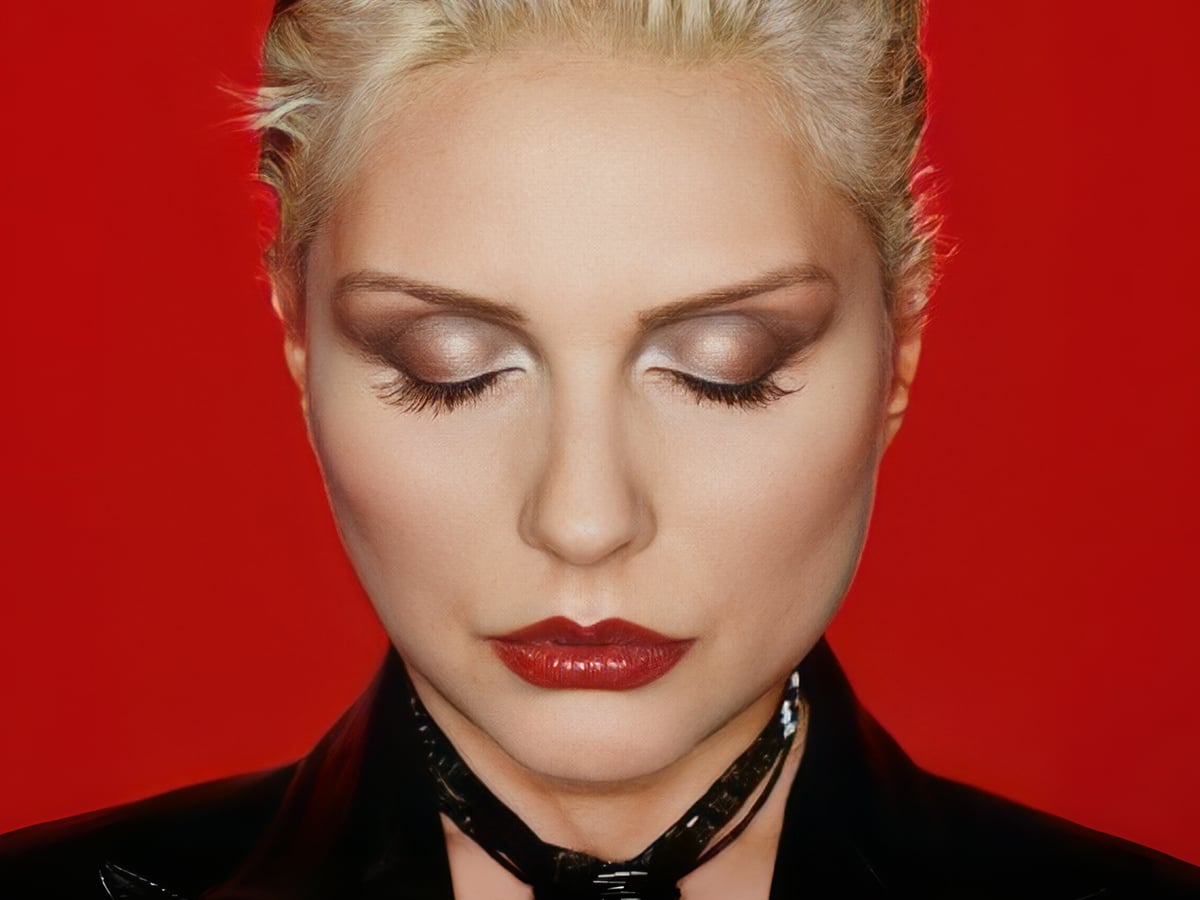
Just three years after Bowie and his partner in crime Brian Eno wrote, recorded, and released ‘Heroes’, singer Harry and her Blondie bandmates were taking it on the road for special moments, covering the track occasionally as part of their live show.
Blondie, who had notably covered the track during The Palladium in New York and the Santa Monica Civic Auditorium in 1978, arrived in London two years later for a triple-header of sell-out performances at the Hammersmith Odeon where the band would play three shows in a row.
The band would record their rendition of ‘Heroes’ and subsequently release it shortly after.
‘Rebel Rebel’ – Tegan and Sara

Sometimes it is best not to overthink things.
A song like ‘Rebel Rebel’ doesn’t require a lot of extra thinking to understand the premise. It is a straight-up rock anthem built for tight jeans, open shirts and sweaty dancefloors. Teagan and Sara understood that and added a colour of candy-flecked power pop in this cover.
All the “don’t cha” brilliance of the cover is encapsulated in this added refrain. Originally covered for the Spiders from Venus record, which pitched female artists into Bowie’s songs, the track is undoubtedly catchy, unstopably enjoyable and, beyond that, should be in your regular rotation.
‘Ashes to Ashes’ – Warpaint
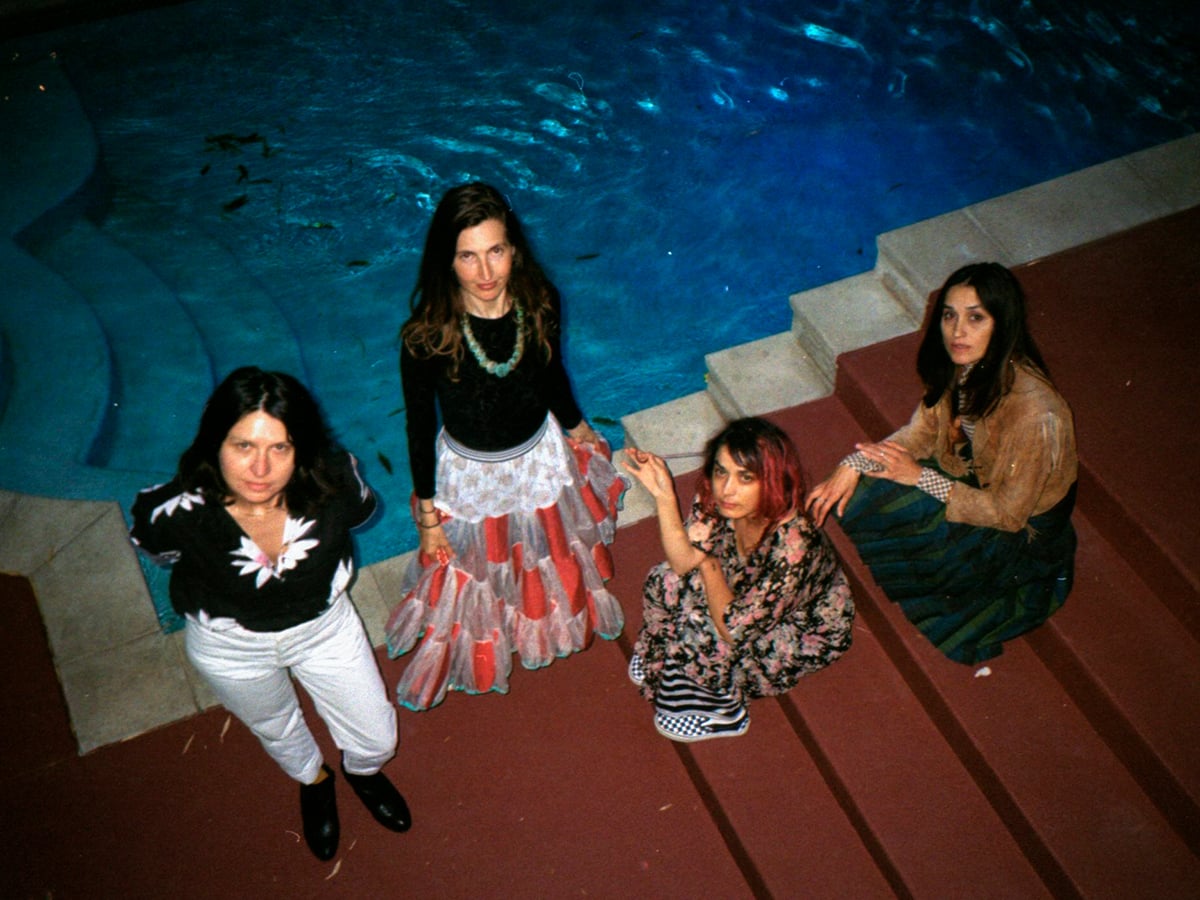
It might be because it is one of the more underrated songs of his tenure as the world’s most beloved alien rock star, but this cover of ‘Ashes to Ashes’ from laconic indie stars Warpaint slaps with some force.
Though it hit number one in 1980, ‘Ashes to Ashes’ perhaps doesn’t get the credit it deserves as being perhaps the ultimate marker of Bowie’s ability to transform in front of our eyes, killing Major Tom. Moving out of the 1970s, he laid down the gauntlet to his fellow artists that things would be different in the new decade.
In 2010, with a new decade unfurling, the Los Angeles band took on the track to once agian move it into a new space. Feeling closer to a glitching die trip hop, Warpaint bring that track into the modern world without changing the breathless catchiness and wonderment.
‘Heroes’ – Oasis

Manchester’s angriest band, Oasis, have never been afraid to let people know their opinions, whether good or bad. Here, though, Liam and Noel Gallagher finally have something they agree on, and that is their mutual love for David Bowie.
The perfect cover is a difficult cocktail to get right. Much like making a cocktail, the perfect recipe is all about balance. The delicate balance between paying tribute to the original and taking the song down your own path. That’s something that Oasis pull off with ease on their cover of the enigmatic seminal single from Bowie. The cover was released as a B-side to their 1997 single ‘D’You Know What I Mean?’, and with it, the Manchester band deliver a lethal concoction of bravado, acknowledgement, and rock and roll star power.
“This is the first song I heard by David Bowie,” remarks Noel in an interview mourning the Starman’s passing. Gallagher detailed how the song changed his life: “Singing this song with the light behind him. It totally fucking blew me away. I went down to my local second-hand record shop a couple of days later and got Best of Bowie and never looked back.
“And for all my talk of, ‘Well, what are his songs about? We don’t really know what they’re about’, I think ‘Heroes’ is quite straightforward. The sentiment is amazing: We can be heroes, if only for one day. We all can’t make it in life, but we can feel like we make it, for one day at a time. That’s why it’s my favourite.” This is the emboldening sentiment that ran through the veins of Noel Gallagher in 1981 and the same one he gave a generation of council estate kids in the ’90s.
This cover of Bowie’s ‘Heroes’ is one of our favourite Bowie covers of all time and within it, you can feel the adoration they hold for the man himself while still projecting their own rock star shadow, casting the rest of Britpop in darkness.
‘The Man Who Sold The World’ – Lulu
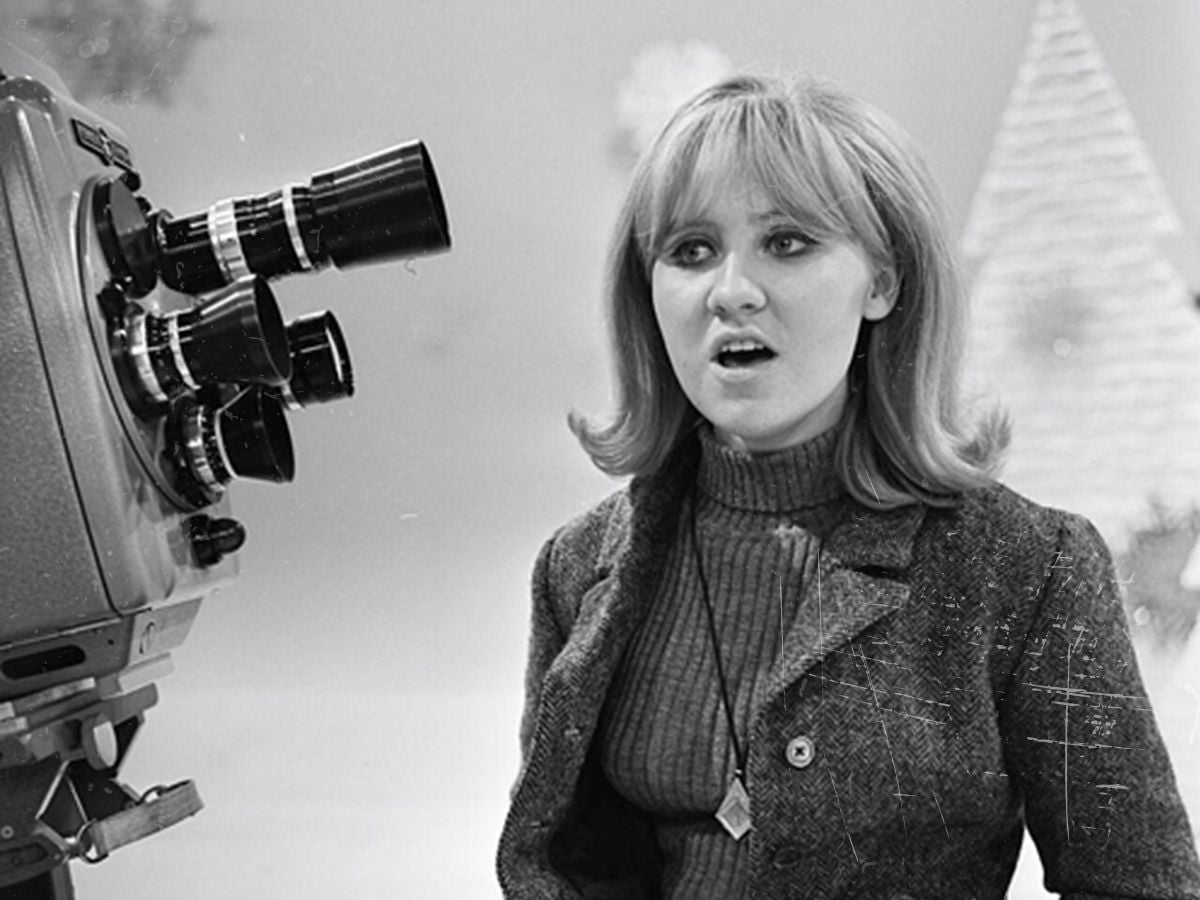
Now, we should address the elephant in the room on this entry. Yes, David Bowie was involved, so there is an argument for not calling this a cover at all. But that’s a silly argument that rivals the wildness of Lulu’s costuming in this video. The truth is, this cover of ‘The Man Who Sold The World’ from 1974 is utterly compelling.
There are some more famous versions of the track, which we will get to later, but what this performance lacks in notoriety it makes up for in bucketloads of atmosphere. Hitting number three in the charts nly a few years after the original release, the British public proved just how ingrained Bowie had now become in society.
Drenched ins leazy cabaret stylings and feeling as heavy as an overworked opium den maid, the tune is blissful in its darkness and feels worthy of far more attention.
‘I’m Afraid of Americans’ – Nine Inch Nails
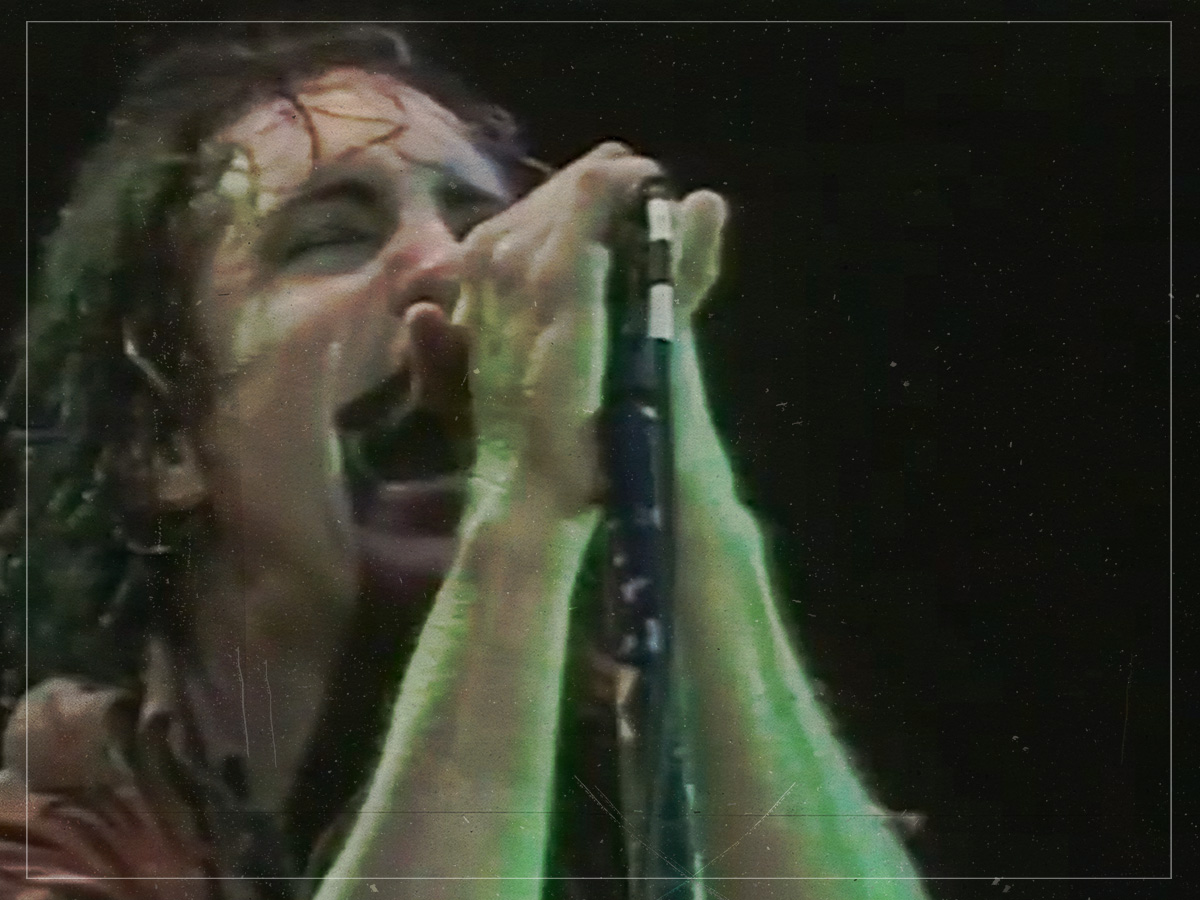
Nine Inch Nails, more specifically Trent Reznor, has never been shy to admit his admiration for David Bowie and his music.
“Scary Monsters was the first one I related to. Then I went backwards and discovered the Berlin trilogy, which was full-impact,” Reznor once told Rolling Stone in a reflective op-ep penned just weeks after Bowie‘s death. “I read into all the breadcrumbs he’d put out—the clues in his lyrics that reveal themselves over time, the cryptic photographs, the magazine articles—and I projected and created what he was to me.
“His music really helped me relate to myself and figure out who I was.” Reznor has always shared his admiration for the Starman.
Having once been given the opportunity to share a stage with Bowie for a one-song special duet, Reznor could not hold back his joy at the moment: “I was outside of myself, thinking, ‘I’m standing on stage next to the most important influence I’ve ever had, and he’s singing a song I wrote in my bedroom’,” he said.
While the pair would perform NIN song ‘Hurt’ together on stage countless time, Reznor and the band decided to pay tribute to Bowie while live on stage as part of a 2009 performance in Toronto. The song, which Reznor worked on in the producing room as part of remix, offered the band a chance to fully experiment with some of Bowie’s original material.
Speaking about the song’s origins, Bowie once explained, “It’s not as truly hostile about Americans as say ‘Born in the U.S.A.’: it’s merely sardonic. I was travelling in Java when [its] first McDonald’s went up: it was like, ‘for fuck’s sake’. The invasion by any homogenised culture is so depressing, the erection of another Disney World in, say, Umbria, Italy, more so. It strangles the indigenous culture and narrows the expression of life.”
‘Heroes’ – Depeche Mode
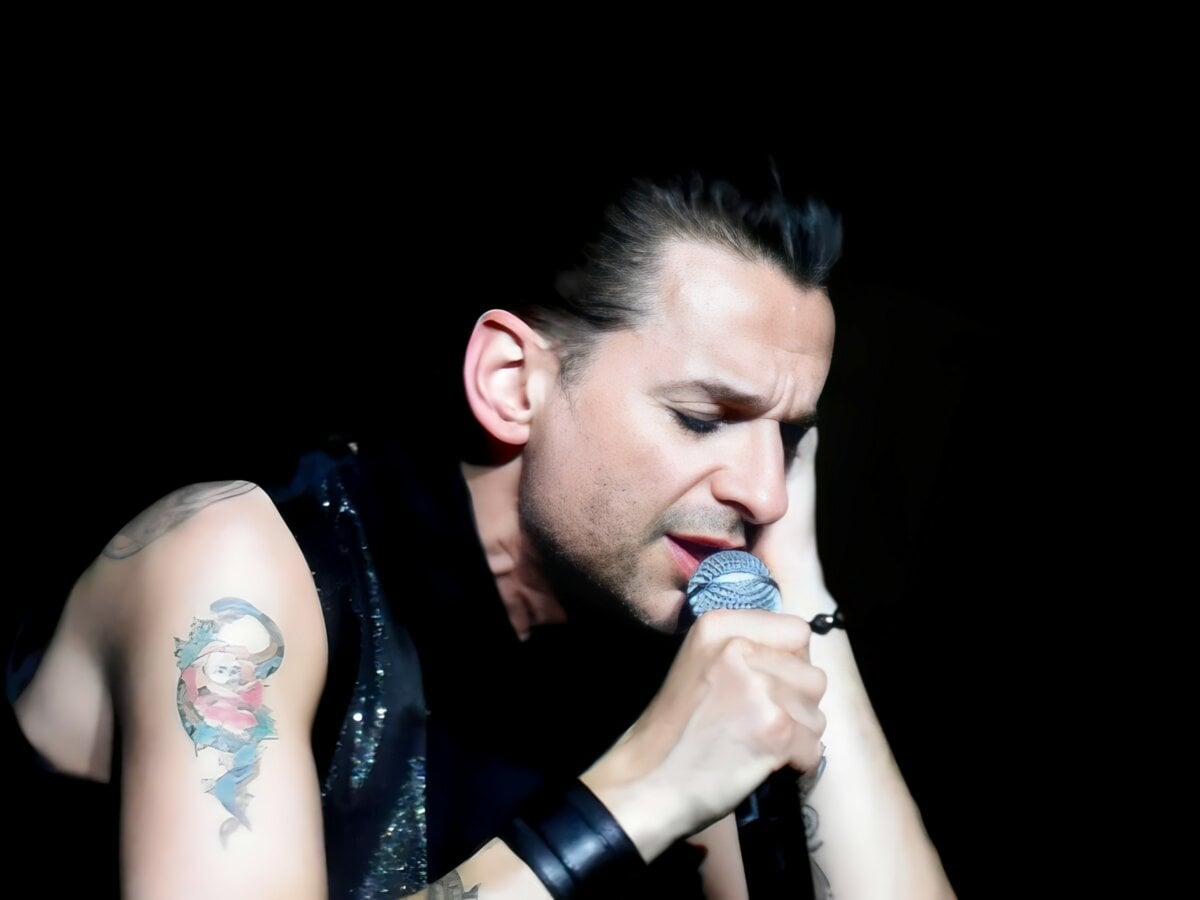
To commemorate the 40th anniversary of its release, Depeche Mode released an official cover of David Bowie’s epic and truly remarkable track ‘Heroes’.
The song has been a live favourite of Depeche Mode’s for a while as they’ve toured countless arenas across the globe. Dave Gahan and the rest of the band also released some official visuals in a moodily lit studio to boot. Tim Saccenti, who has shot a number of videos for Depeche Mode in the past, directed the clip.
“‘Heroes’ is the most special song to me at the moment,” singer Dave Gahan said in a statement when releasing their official rendition. “Bowie is the one artist who I’ve stuck with since I was in my early teens. His albums are always my go-to on tour and covering ‘Heroes’ is paying homage to Bowie.”
“When we started rehearsing I brought up the idea of maybe doing a Bowie cover especially after losing him,” Dave Gahan told Classic Pop magazine. “Martin and I are both huge fans, and still are. So it just seemed right, Martin was into it. It’s got a real early Depeche flavour to it.”
Discussing the recording process, Dave added: “I was so moved, I barely held it together, to be honest,” he said in an interview with Rolling Stone. “Martin [Gore] listened to ‘Heroes’ once it was mixed and randomly told me, ‘Wow, that was really fucking good.’ And I said, ‘Yeah, it was, wasn’t it?’”
‘Space Oddity’ – The Smashing Pumpkins

If we’ve said it once, we’ve said it a thousand times; the key to a great cover version is all about walking the delicate balance between paying homage to the original while adding your own special influence to the song. Smashing Pumpkins were clearly listening to us back in 2013 when they covered David Bowie’s ‘Space Oddity’.
Bowie’s original track was the singer’s breakthrough hit, and it was his first taste of stardom, and would go on to be the starting point of an illustrious career like no other. However, while Bowie was master of his own music, he was also deeply passionate about encouraging other artists to express themselves.
This is why we’re pretty certain that Bowie would’ve been happy with Billy Corgan and the band delivering a unique rendition of ‘Space Oddity’. While Bowie’s track was beautifully haunting and lonely, tinged with a spectral otherworldliness that twinkled in the space that surrounded his main protagonist, the Pumpkins went for something a little heavier.
In fact, The Smashing Pumpkins do a very good job of making this iconic song feel not only brand new but as if it could appear on any of their albums. They replace the twinkling with guitar feedback and amp up the loneliness with Corgan’s unique vocal, all of which makes for a truly memorable cover.
The footage below comes from the band’s appearance at SXSW in 2013 as part of the Guitar Center Sessions and is a must-watch for any fan of either The Smashing Pumpkins or Bowie.
‘Ziggy Stardust’ – Bauhaus
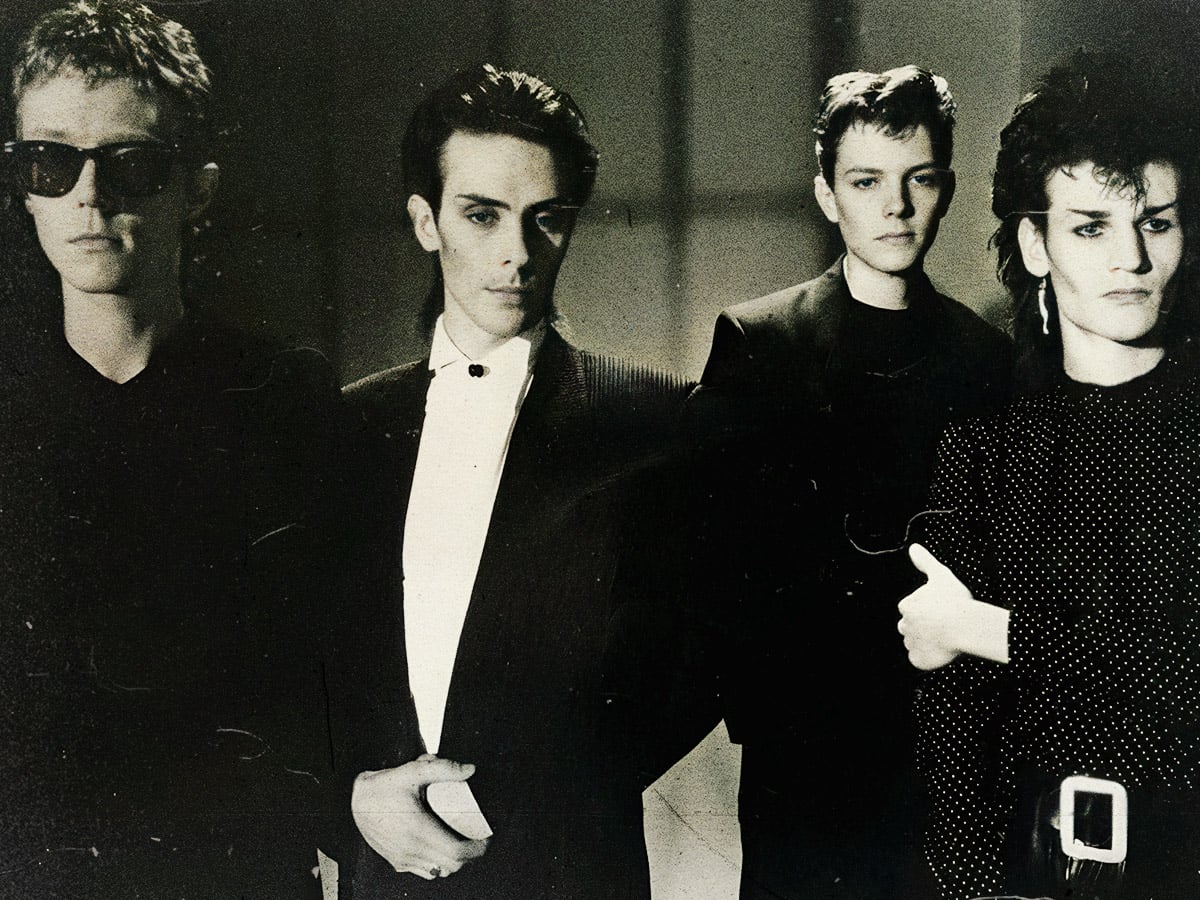
Quite rightly given the accolades as the inventors of goth, Bauhaus wasn’t all about being black in heart and fashion. No, they had a little bit of glam to their palette and their 1982 cover of David Bowie’s iconic song ‘Ziggy Stardust‘ shows they had all the glittered swagger of the man himself.
David Bowie is a man whose songs have been covered numerous times. Bowie is just one of those artists who, having influenced and energised so many creative minds, has a lot of famous fans. Bauhaus, the forefathers of goth-punk, were just a few of those very fans.
The band are widely attributed as huge fans of the star and paid tribute to Bowie and his alien-rock star incarnation Ziggy Stardust with their cover of Bowie’s iconic ode to the flame-haired, glitter-booted, rock and roll extra-terrestrial from his 1972 album The Rise and Fall of Ziggy Stardust.
They even shot a quite brilliant video to go alongside the track which came out as part of a double A-side in October of 1982. The video was shot in the catacombs of Camden Market (actually just a series of tunnels but that’s what the locals call them) and features a full mock-gig set up with complete backline and riotous fans.
It would act as a catapult for the band, eventually landing them a spot on the acclaimed show Top of the Pops.
‘Moonage Daydream’ – The White Stripes
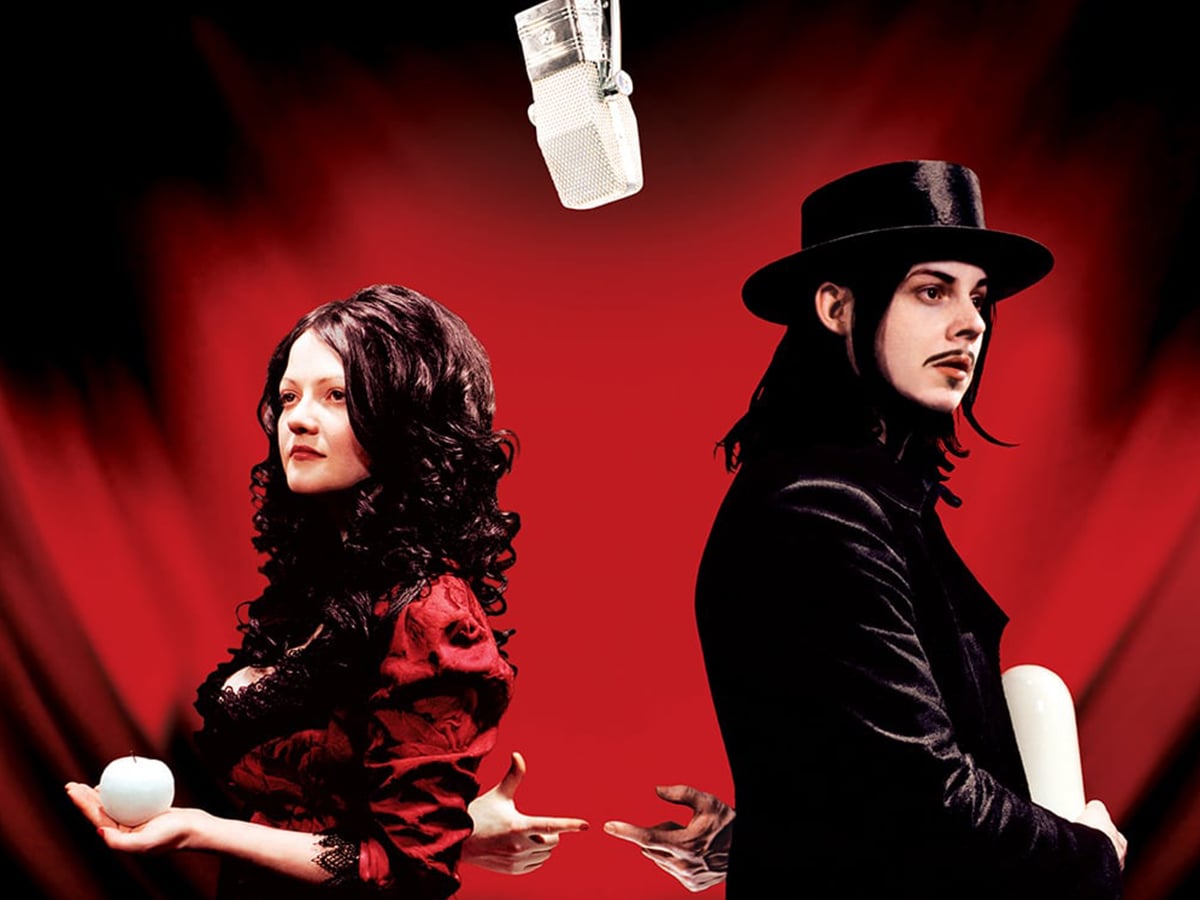
Next up it is The White Stripes and their early take on David Bowie’s powerhouse track ‘Moonage Daydream’.
When you think back to some of David Bowie’s best songs, it’s very hard to look too far past his illustrious and seminal record The Rise and Fall of Ziggy Stardust and The Spiders From Mars. It’s an LP that introduced the world to Bowie’s persona, Ziggy Stardust, and created its own genre of glam rock. So it’s no wonder that an aspiring young band called The White Stripes picked up one of the record’s best tracks, ‘Moonage Daydream’, for a special early cover over 20 years later to express their incarnation.
The White Stripes were in their infancy when they picked up the cult favourite track and added their own unique spin. The recording below is likely from one of their first-ever shows, with most people dating the clip back to around 1997. But what really hit us is that despite the rough sound, Jack White’s oddly high vocals, and a newly developed band, this cover is incredibly indicative of The White Stripes’ future sound.
The interpretation from one of our favourite guitar impresarios is a uniquely Jack White style of sound, even at the young age of 22. It moves away from the original glam rock tones and instead leans more heavily on the blues roots of the song, White’s fire-breathing guitar eviscerating all those in earshot. The fuzzing guitars and pounding drums signal the beginning of the new generation taking up their rock and roll batons.
Listen to The White Stripes performing David Bowie’s classic song ‘Moonage Daydream’ below.
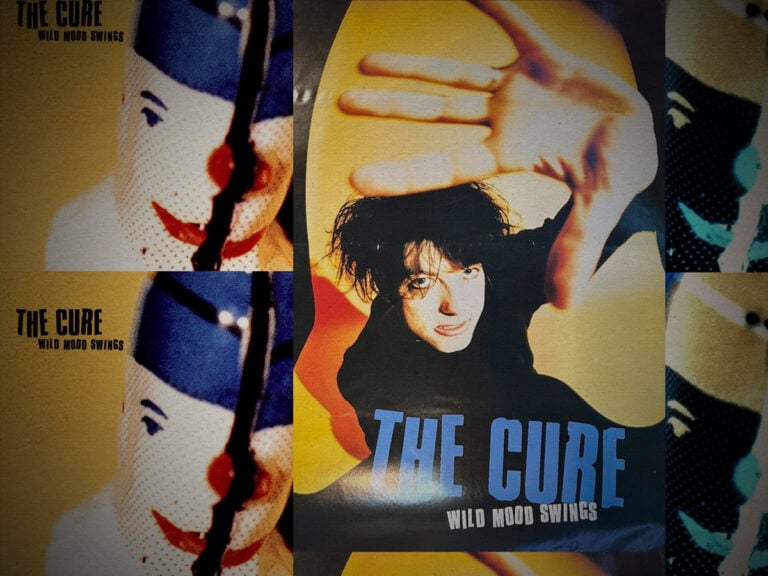
‘Young Americans’ – The Cure

Last but by no means least, we have The Cure. Robert Smith, the iconic frontman of post-punk icons The Cure, has never been shy to discuss his admiration for the great David Bowie.
Bowie, whose ever-developing career and repeated character changes propelled him to the top of popular music, had impacted Smith’s vision of music and helped formulate his understanding of the type of music he wanted to create within his band.
While The Cure are undoubtedly a band who verge closer to the darker side of proceedings in their earlier material, a conscious decision by Smith to lighten the mood by introducing a more significant pop sensibility to the band’s sound resulted in hits such as ‘Friday I’m In Love’ and ‘Lovesong’.
Drawn into a conversation about how Bowie had influenced his approach to music, Smith answered: “I listened to music before Bowie, obviously. I have an older brother and he played me Hendrix, Cream and Captain Beefheart… all that type of stuff from the 1960s but David Bowie was probably the first artist that I felt was mine. He was singing to me.
“He [Bowie] was the first album I ever bought, Ziggy Stardust was the first vinyl album I ever bought. I always loved how he did things as much as what he did. I love that idea of being an outsider and creating characters.”
He added: “I look back at some the things we’ve [The Cure] done and I can see echoes of some of Bowie’s stuff in it. I got my dream come true when he invited me to sing with him at his birthday in New York. That was a fantastic night, unreal actually for something like that to happen.”
There are, perhaps, no two artists more clearly linked than David Bowie and Robert Smith. The straight line drawn between them showcases just how influential Bowie was and will continue to be.
‘Sound and Vision’ – Beck
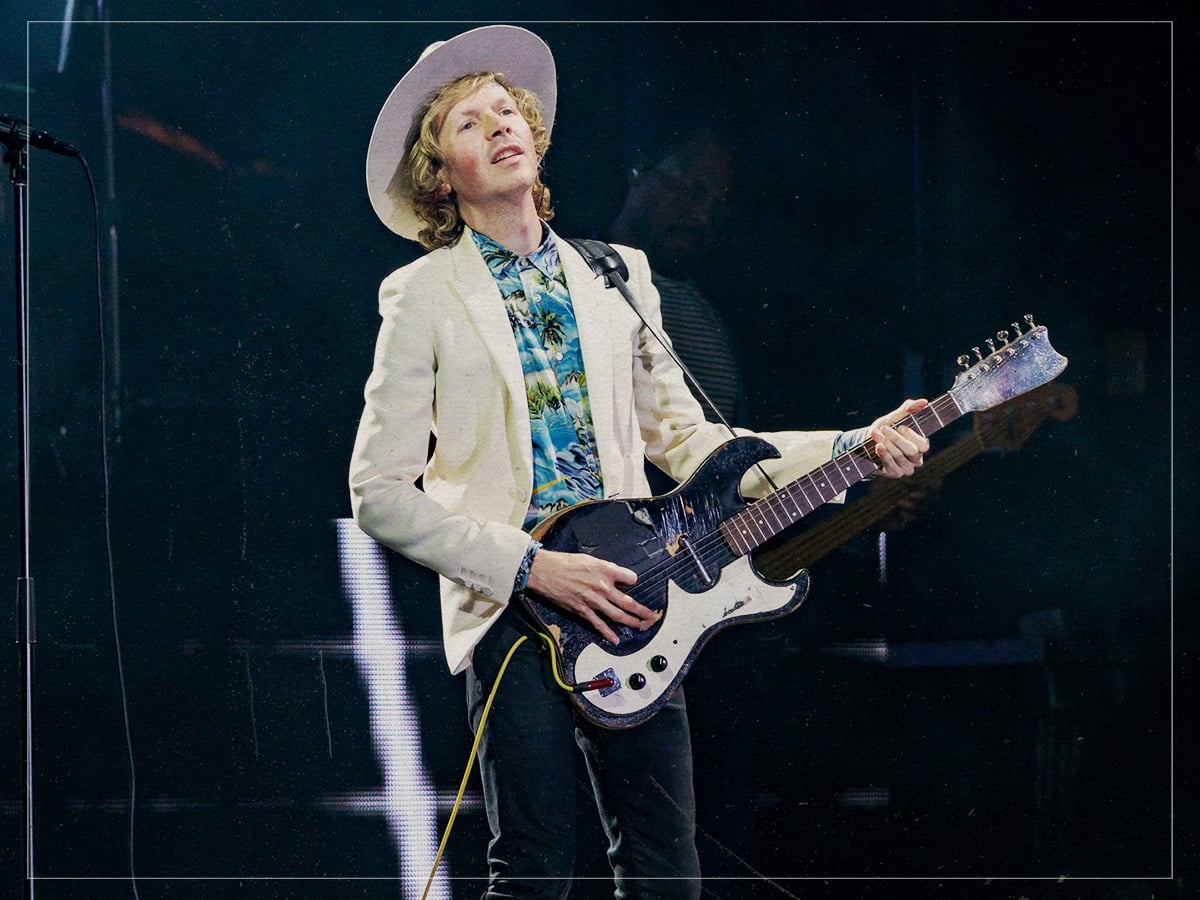
“Everybody dizzy yet? There are some sick bags under your chairs if you need them,” Beck told an intimate crowd of 280 people who were sitting on cushions on the floor as the musician conducted a 157-piece orchestra around his slowly rotating stage.
Beck stood in the middle with a dazzling jacket and black fedora, spanning in one direction his circular stage while the audience, who were there by invitation only, span slowly in the opposite direction. In what was arguably the most ambitious David Bowie cover of all time, Beck was pushing the boundaries of sound and vision with an effort like no other.
“It was an experiment and an opportunity to try something completely irrational,” Beck told Rolling Stone. “I attempted to conjure some scenario that could only exist in this kind of space for a one-time performance. It’s doing something you could never do on a tour. I was thinking a lot about Busby Berkeley films and multiples of musicians and dancers.”
The show, which took place in 2013, was given the green light by Bowie himself who allowed Beck to work his magic on the 1977 song. “It’s not easy,” Beck added. “It’s also incredibly impractical putting everybody in a circle. Every musician is facing each other. It’s an audio nightmare. But the idea of the music surrounding the audience is what was interesting, and how you could play with the sound spatially.
“So the song gets really disjointed, fragmented—it’s what you would hear in electronic music, but here it’s done live. I was curious to see if it could be pulled off.” Pull it off he did… and in quite spectacular fashion with a pomp pop swagger. See footage of the evening, below.
‘The Man Who Sold The World’ – Nirvana

The vocal power of Kurt Cobain is too often overlooked. While his lyricism and attitude are what put him on teenagers’ bedroom walls across the globe in the early nineties as the face of grunge, his vocal performance is still a powerhouse piece of the puzzle. It’s a similarity he shared with Bowie, who was also dismissed as a singer.
No better is this seen than with the vocal performance of not one of his own songs but as part of Nirvana’s cover of Bowie’s track ‘The Man Who Sold The World’—a song they made famous on MTV’s Unplugged and has since become wrongly seen as one of the band’s best original songs.
While David Bowie originally released the track, the song’s ubiquitous sound has lent itself to many covers over the years from the musical spectrum’s far reaches. The debate about who delivered the best rendition is better left for the back rooms of pubs and clubs; the argument over who recorded the most iconic effort was surely settled a long time ago. Nirvana’s cover of the track is the undoubted winner, no matter your allegiance. The song’s eponymous album was ranked as number 45 of Kurt’s favourite albums of all time, and it’s clear he shares an affinity with the track. Later, the song and the session became an integral part of the band’s output in those last months before Cobain’s sudden death, forming a large part of their MTV rotation.
Bowie said of Nirvana’s cover: “I was simply blown away when I found that Kurt Cobain liked my work, and have always wanted to talk to him about his reasons for covering ‘The Man Who Sold the World’.” The Starman, ever the lover of any art, added: “It was a good, straightforward rendition and sounded somehow very honest. It would have been nice to have worked with him, but just talking with him would have been real cool.”
Though Bowie did admit that people thinking that the song is Nirvana’s own does annoy him a little: “Kids that come up afterwards and say, ‘It’s cool you’re doing a Nirvana song.’ And I think, ‘Fuck you, you little tosser!’”
Nirvana’s stripped-back cover was an authentic tribute to the song and an honest interpretation of the track’s content. It’s a theme which Cobain delivers perfectly with his vocals. He allows the song’s protagonist to meet his doppelganger and share the odd moment, offering Cobain the chance to, perhaps, crack open the door to his own feelings of the time.
It naturally fits Cobain’s own paradoxical life, a man with the world at his fingertips, so hasty to shove it away. It’s this vulnerability and resignation that resonates so cleanly.
