


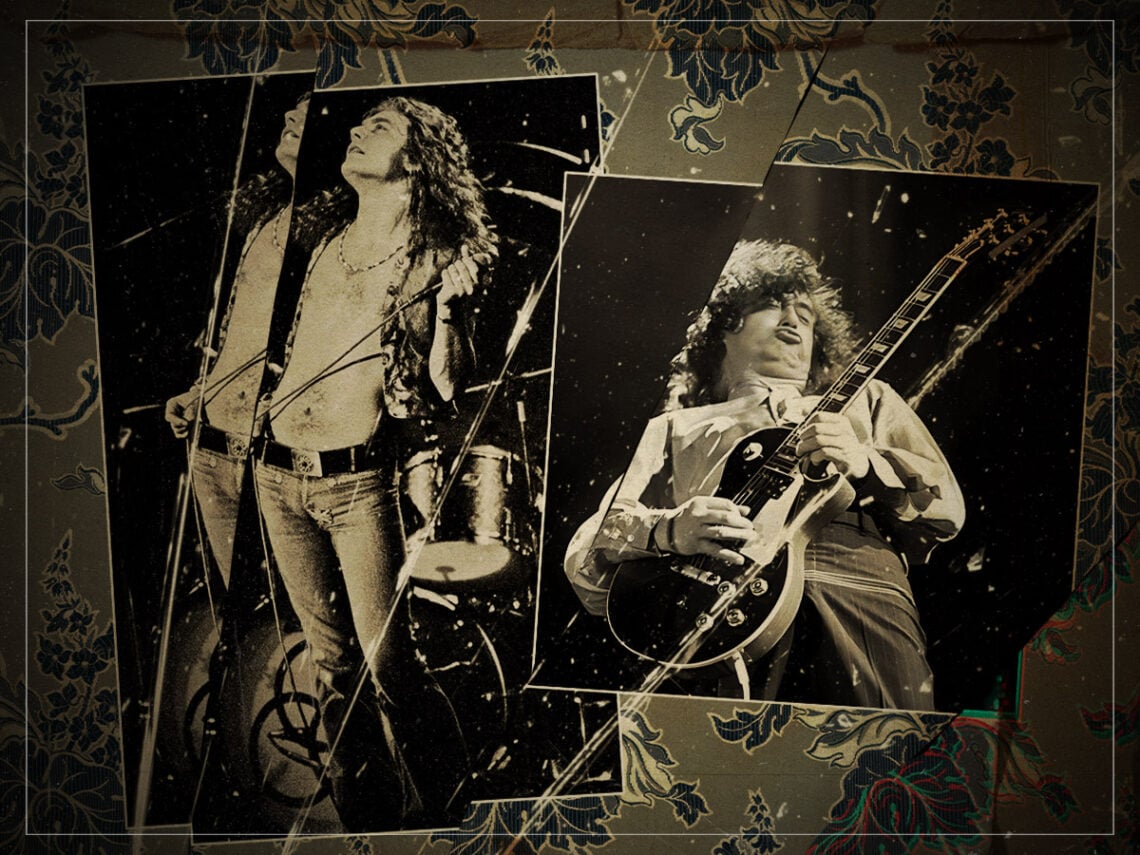
The 1990s band Robert Plant wanted Jimmy Page to join: “I’ll be out of a job”

Robert Plant didn’t need to settle for being the frontman of Led Zeppelin for the rest of his life.
He knew that there was a world out there that he hadn’t explored, and even if the rest of the world wanted to hear him reaching into the vocal rafters again, the future was much more exciting for him than dwelling on the past. He felt that he had a lot more to offer, and if he was being completely honest, he knew that Jimmy Page had some untapped potential as a guitarist as well.
That said, it’s not like Page was going to be sitting on his hands after John Bonham passed away. There was a dark period where the bandmates were wondering what the hell they were going to do after Zeppelin, but The Firm at least gave Page a little bit of a cover for what he wanted to do. Even if he was uncomfortable getting back out into the world, at least he had a powerhouse like Paul Rodgers to bounce off of every now and again.
But when Page and Plant got back together in the 1990s, it felt like fans got the subtlest whiff of what Zeppelin could be in the modern age. It probably stung not to have John Paul Jones involved in any capacity, but Plant didn’t see the project as being a long-term thing by any stretch. He wanted to flex his muscles a little more, and he knew that Page could do the same thing if he worked with other bands.
The Black Crowes were already an excuse for Page to hear every single part of his guitar symphonies live, but that’s not where music was heading during the late 1990s. After grunge came and went, the flavours of the day had shifted towards more electronic-leaning bands, and while Plant was never going to be a techno superstar by any means, he felt that The Prodigy had a lot of the same energy that Page would have been looking for.
They weren’t the most complex band in the world, but the way they were pushing music forward fell right in line with how Page was thinking about music in Plant’s mind, saying, “There’s some great stuff around. The Prodigy are brilliant. Now, if you stick Jimmy in there with an Albini-recorded guitar sound, that’s all that’s lacking with Prodigy to me. I’ll be out of a job.” That sounds insane, but using zero per cent of my classic rock brain, I can almost see this working to some degree.
The Prodigy were all about making the most rowdy music ever made, and since Page’s work with Steve Albini was so dry, it would have been a lot more interesting to see where that kind of collaboration might have gone. But Page’s taste often catered to people who fell more in line with the complex stuff that he was making around the end of his time with Led Zeppelin in the late 1970s.

If anything, the one person who would have understood Page’s playing the most was Jeff Buckley. The singer-songwriter was fascinated by everything that Zeppelin ever played, and even if he wasn’t long for this world, there have always been stories of Page knowing that he had found one of the greatest musicians that he had ever seen when he heard Buckley perform his first concerts.
But even if it was just for one song, Page could have easily found a way to shoehorn in his guitar over an electronica beat and made everything work well. I mean, it couldn’t have been any worse than his collaboration with Diddy around the same time, so what the hell was stopping him from being a little bit more aggro in the way that he played?
