


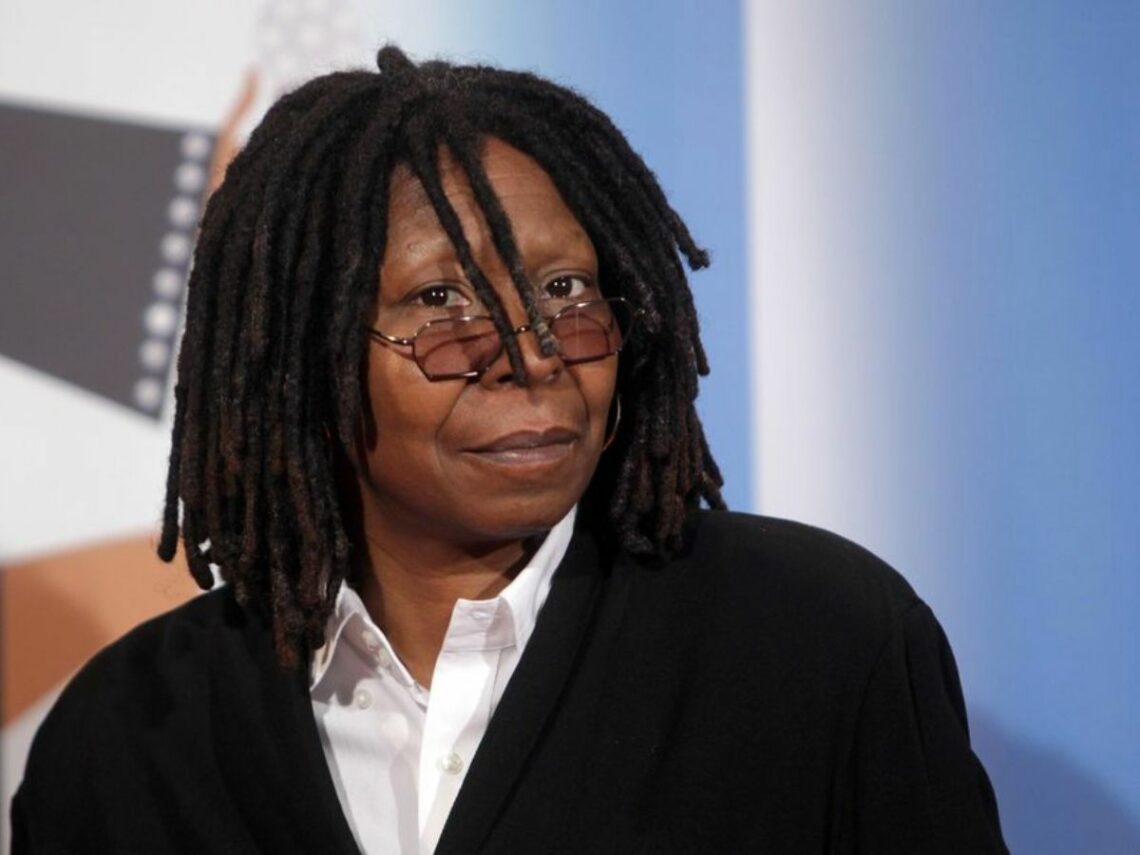
The 1988 movie Whoopi Goldberg wants to delete from history: “Cockadoo on the screen”

It was interesting to see Whoopi Goldberg heaping praise on Anne Hathaway and Matt Damon for their work on Christopher Nolan’s jaw-dropping The Odyssey this week, not so much because she rightly lauded Hathaway’s performance as something special, but because she has something of a chequered history with Damon.
Hathaway, Damon and Nolan all appeared on The View to promote the film, the daytime show that Goldberg has dominated for almost 20 years now, often making the news outside of the show due to her outspoken opinions and her clashes with her co-hosts. While Goldberg took time to tell Hathaway how proud she was of her career progression, she also praised Damon for his astonishing work, striking a very different tone to her reaction to some comments he made back in 2015.
Damon had seemed to suggest that gay actors were better off staying in the closet, that the less the public knew about their private lives, the more they could convince in their movie roles, saying, “Whether you’re straight or gay, people shouldn’t know anything about your sexuality because that’s one of the mysteries that you should be able to play.”
Goldberg vehemently disagreed with him, using her platform on The View to point to her own background in playing characters of differing sexualities, especially as a gay woman in Steven Spielberg’s 1985 drama The Color Purple, and as a man in the 1996 comedy The Associate.
And it was Spielberg’s movie that brought her global attention for the first time, the legendary director casting her after seeing her doing stand-up comedy in New York in a film that was a departure for him, and something of a risk after the blockbusters he’d become known for. But it was a risk worth taking; Goldberg’s performance as a young Black woman suffering decades of abuse in the American South was described by critics as one of the best in cinema history, and she was nominated for an Academy Award.
It sparked a prolific period for her as she became one of the most recognisable stars of the late 1980s, a talented comic, actor and one of only 28 people to ever win an Emmy, a Grammy, an Oscar and a Tony award. She remained down to earth about her films, though, even after going one better and winning the Academy Award for the Patrick Swayze and Demi Moore hit Ghost in 1990.
Around that time, she said, “None of the stuff I’ve done will ever cure cancer. It’s entertainment, and some of it has been better entertainment than others. Ghost is a good little movie, like Jumpin’ Jack Flash, which I’ve changed my mind about and am finally able to watch.”


She was also openly critical of some of her less successful efforts, adding, “There’s also a couple I don’t care for. The Telephone read brilliantly, but was cockadoo on the screen. I’m also not crazy about [1987 action comedy] Fatal Beauty; it could have been a whole lot better. I’ve done good stuff and bad stuff. That’s what careers are all about.”
The Telephone was a light-hearted drama about a woman who makes prank phone calls that spiral out of control, and despite featuring actors of the calibre of Elliot Gould, it was a critical and commercial disaster, bringing in less than $100k in revenue against a production budget of $2.2million.
