


The 1981 song Genesis stole from Earth, Wind and Fire: “Lets put horns on it”

Phil Collins never claimed to be a snob about any genre of music.
Although he may have made the most expansive prog-rock imaginable with Genesis, Collins’ penchant for pop music never failed him, creating the biggest pop smashes of the 1980s in his solo career with tracks like ‘In the Air Tonight’ and his cover of ‘You Can’t Hurry Love’. Although Collins was ready for anything in his solo career and with Genesis, he also had a deep love for the sounds of soul music.
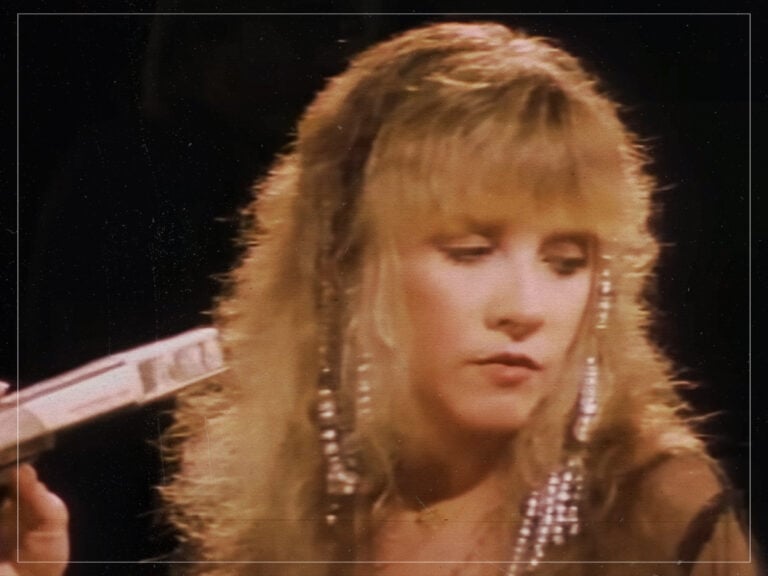
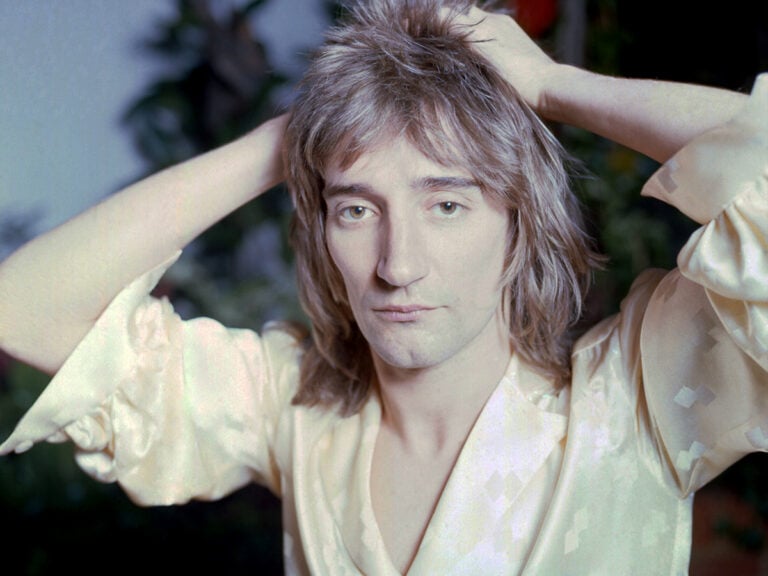
After original frontman Peter Gabriel left the fold, Collins would end up steering the band into more accessible territory. Though albums like A Trick of the Tail may have been closer to their progressive roots, later songs like ‘Follow You Follow Me’ would showcase the band’s ability to write pop-friendly material that had potential on radio.
While Genesis was going strong as one of the biggest acts of the 1970s, Earth, Wind and Fire were operating similarly throughout the world of soul. Although the band may have had the reputation as one of the biggest names in funk and soul on tracks like ‘September’, their incessant grooves were only matched by their willingness to experiment.
Throughout records like All N’ All, the band were about expanding their horizons just as much as Genesis was, pulling from the world of soul music, pop, funk and even traces of jazz and rock based on their different instrumental passages. While the band kept the audience grooving throughout the 1970s, Collins paid attention to how they constructed their songs.
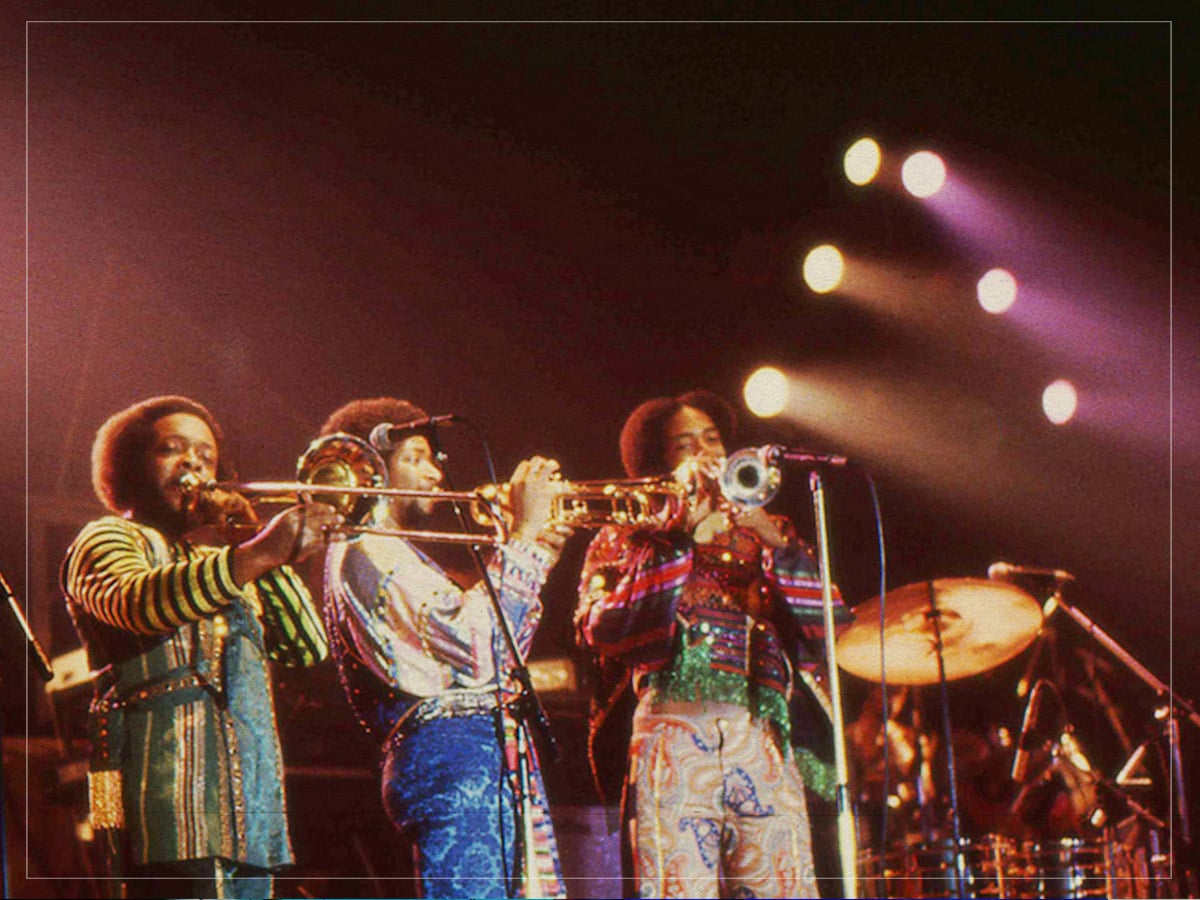
Becoming fascinated by their approach, Collins later discussed using the band as a template when crafting songs for his first solo album, Face Value. While the majority of the record was written as a tribute to his wife after their prolonged separation, the uptempo songs on the record benefited from having a heavy emphasis on horns screeching alongside Collins’s soulful voice.
By the time Collins regrouped with his Genesis bandmates to work on the album Abacab, he didn’t necessarily want to give up his love of soul music. When working on the song ‘No Reply At All’, Collins thought about bringing the same approach, remarking, “I thought, if we’re going to reinvent ourselves, why not have horns on it? This is a song here that sounds like a funky R&B thing, so let’s put horns on it.”

Rather than bring in traditional session players, Collins asked to work with The Phenix Horns, known for providing their work for every one of Earth, Wind, and Fire’s albums. Even though Genesis may have still been able to work their inventive magic across most of the track, the staple of the song comes from the horns, taking one massive instrumental break in between the chorus.
While Collins loved the opportunity to show his soulful side, he would get to flaunt it even more in the late 1980s. After having a run of hits on his subsequent solo albums, Collins would eventually lend his skills to projects Earth, Wind and Fire vocalist Philip Bailey, contributing the duet ‘Easy Lover’ to the album Chinese Walls. Despite progressive rock’s reputation for being the polar opposite of funky, Collins could certainly work his magic over a groove anytime he wanted.
Part of what made Collins so effective in both pop and progressive music was his instinctive understanding of rhythm. Before he became known as a vocalist and songwriter, he was already regarded as one of the sharpest drummers of his generation, capable of shifting effortlessly between intricate time signatures and deep pocket grooves.
That rhythmic sensibility allowed him to bridge worlds that many listeners assumed had nothing in common, blending the sophistication of prog with the immediacy of soul and R&B.
It also explains why Collins connected so naturally with artists outside the rock sphere. Whether working with Philip Bailey, Eric Clapton or later producing artists across pop music, he approached collaboration less like a rock star protecting his territory and more like a musician eager to learn from different styles. Even at the height of his commercial success, Collins never abandoned the records that shaped him, and the fingerprints of classic soul music remained all over his work long after Genesis became one of the biggest bands in the world.
