


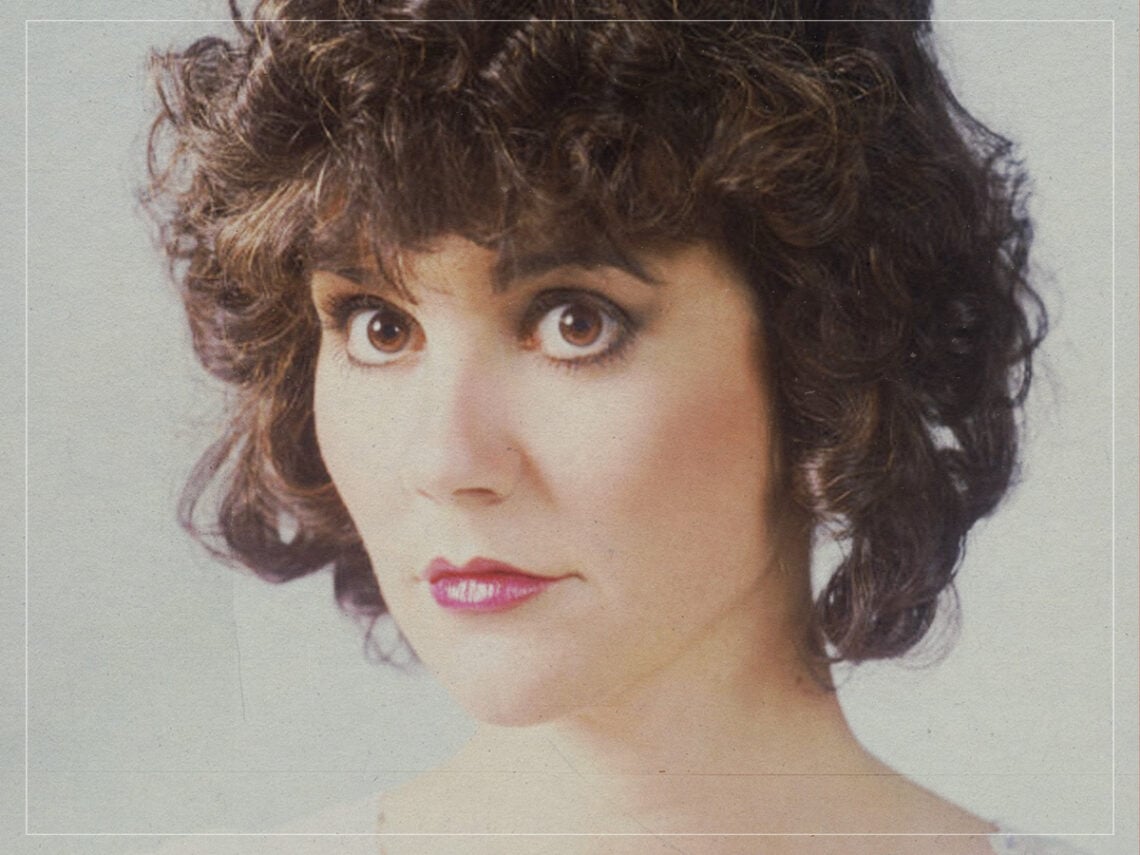
The 1980s band Linda Ronstadt was in heaven playing with: “As good as it gets”

Linda Ronstadt never felt like she truly belonged in the world of rock and roll.
Everyone was more than happy to have her around when she first started singing in Los Angeles for the first time, but the fact that she never connected with the idea of singing down and dirty rock tunes didn’t sit well with her after one too many records. She wanted something more out of her voice, and even though it took a while to get there, she thought that she had died and gone to heaven when she finally had the right band backing her.
But a lot of what Ronstadt did was leading her towards something a bit more sophisticated back in the day. She had had her fill of playing typical rock and roll by the end of the 1970s, and while the 1980s did give her a few new genres to try on, like new wave, there was a lot more that she could do when working on Broadway. That level of vocal prowess was about as close to perfection as she got during that time, and it was enough for her to realise that she might not need rock and roll anymore.
She could be her own independent artist, and that meant going outside the lines for the first time in her career. No one would have guessed that someone would have ended up on the Broadway stage that quickly, but if she could pull off that style of singing, who’s to say that she couldn’t do the same thing when she interpreted the kinds of songs that she heard from old standards records when she was a kid?
If she was going to make that leap, though, she was going to make sure that she did it right. Anyone could have tried to make their traditional standards record for the pop market, but Nelson Riddle was the key player in reinventing Ronstadt. She wanted someone who understood every single song she sang, and when she heard the orchestra come roaring in on the final takes of her songs, she was on cloud nine.
This was the kind of sound she had dreamed of, and the thought of her singing over it was a gift from God, saying, “It was worth it. It got to the point where I was singing, and I wasn’t thinking at all. The first time I ever started singing with Nelson Riddle and the orchestra, I just felt, ‘This is it. This is heaven. This is as good as it gets.’” But that didn’t mean that Ronstadt didn’t get put through her paces, either.
As much as a lot of that singing seems so laid back, it was a real challenge trying to match what the orchestra could do. Those bands aren’t very forgiving of singers that aren’t completely in tune, and even if she put herself through a lot of training to get the record finished, she couldn’t have asked for more when she finally heard her voice coming out of the speakers with that kind of production.

These were the kinds of arrangements that Sinatra would have been proud to sing over, so the fact that Ronstadt was doing the same thing meant a lot more than any rock song she ever sang. And that was probably what sealed the deal for her to do everything she did later, especially when she figured that she would leave the English-speaking market altogether and make records entirely in Spanish.
Because as much as Ronstadt could have made her living playing one style, she was willing to try anything, and even if it didn’t sell the same massive numbers as her classics, she wasn’t going to live her life in one genre. She knew there was a lot that music could offer, and she wasn’t going to pass up the chance of working with true masters.
