


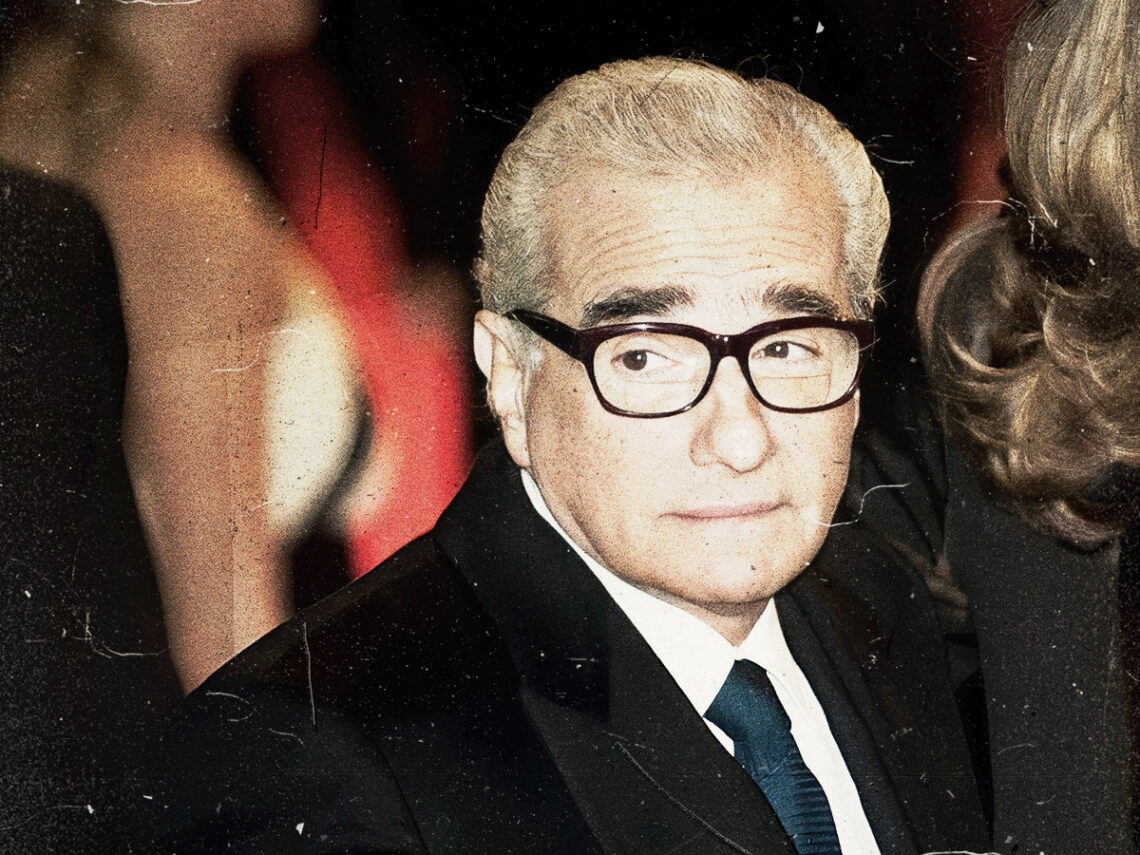
The 1970 cult classic movie Martin Scorsese was fired from: “I was trying to make a reputation”

It’s fascinating to imagine what certain filmmakers’ careers would look like if they had taken on different projects than the ones they ultimately chose. Would they still be as successful?
A great example of this is Martin Scorsese, whose feature debut came in 1967 with the indie movie Who’s That Knocking at My Door, starring a very young Harvey Keitel. His next feature wouldn’t come for another five years, though, and it wasn’t exactly a hit. Boxcar Bertha was produced by low-budget maestro Roger Corman, and while critics found it pretty good, it wasn’t enough to truly make Scorsese stand out as anything special.
It wasn’t until John Cassavetes saw the movie and suggested to Scorsese that he try and break out of this exploitation mould – he knew that the young filmmaker was destined for something greater – that he turned his attention towards a project with much more depth. This led Scorsese to Mean Streets, and then the Oscar-winning Alice Doesn’t Live Here Anymore, followed by the Palme d’Or-winning Taxi Driver.
So, Scorsese’s career panned out in his favour, allowing him to become one of the most acclaimed directors of all time, but this might not have happened if he hadn’t made Boxcar Bertha and subsequently received a metaphorical kick up the ass from Cassavetes. Perhaps it’s for the best, then, that he was fired from directing a movie in 1970 that would become a cult classic.
You see, Scorsese was initially hired to direct The Honeymoon Killers, but it wasn’t long until he was fired for working at too slow a pace, leading composer Leonard Kastle to take on directorial duties – his first and last. Kastle’s movie would become critically acclaimed, and it’s quite impressive that someone with so little experience as a filmmaker was able to direct such a brilliant film.
Featuring Shirley Stoler and Tony Lo Bianco, the movie was based on the real-life Lonely Hearts Killers, a couple who murdered men and women they met through personal ads from local newspapers.
But what would Scorsese’s career look like if he hadn’t been fired? Would he have then made Mean Streets? Would success have come a few years earlier for him, or maybe not at all? It’s something we’ll never know, although it’s interesting that Scorsese was replaced by a director with no experience, resulting in a movie that has since been heralded as an incredible ‘70s classic.

In the book Conversations with Scorsese, the filmmaker revealed that he just didn’t feel that spark with the movie, which had been written by Kastle, so he wasn’t that upset to be fired. “The script was very long and I couldn’t connect with the material. I just couldn’t. Instead of just making the film, I was trying to make a reputation. And I twisted and turned it in different ways stylistically. I tried to make it something that it shouldn’t have been.”
So, it seems like it was for the best that Scorsese wasn’t involved with The Honeymoon Killers in the end, even though a few of his scenes that were shot early in production apparently made it into the movie.
