


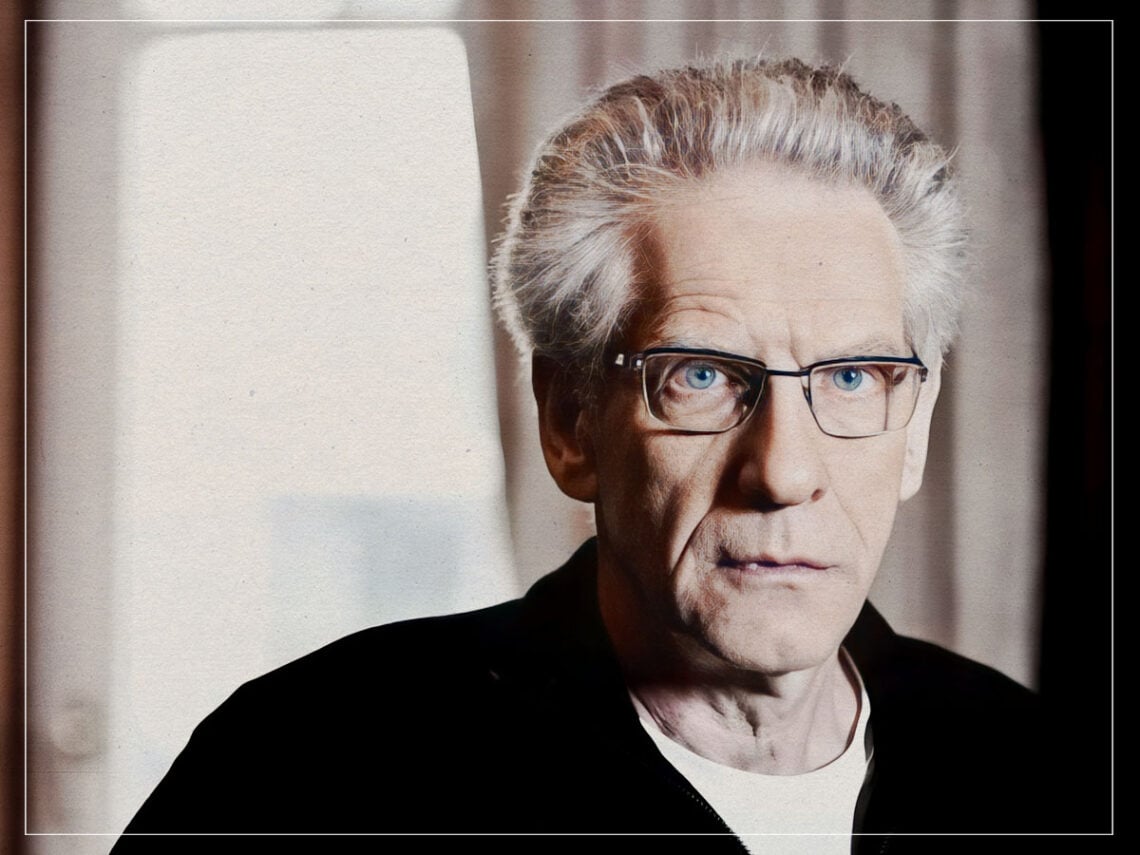
The 1965 movie David Cronenberg called “the most influential film of my life”

More than most filmmakers, David Cronenberg has a vast and varied filmography peaking at either side of the success scale.
Some entries, like The Fly and Crash, will forever be considered the creme de la creme of experimental movie-making, while other efforts, like Maps To The Stars and the newer Crimes of the Future, left viewers cold and confused, questioning the crown atop Cronenberg’s head.
Cronenberg’s entrance into the film industry came, of course, in 1969; two short sketch films and two arthouse features shepherded Cronenberg into partnership with Ivan Reitman. Notably, Stereo prognosticates plenty of the themes Cronenberg will spend his life unravelling: parapsychology, sexual exploration, death, consciousness, and social hierarchies.
It’s sticky stuff for a man in his 20s, a whole feast of meaty dishes to tuck into in the humble format of a film feature debut. But Cronenberg attacked the challenge fearlessly, inspired by plenty who came before him and those who came alongside him, too.
In a Guardian interview, the director was asked to give a list of five films he admires: Ever the reactionary, Cronenberg refused to do the medium such a disservice as to pick out only five films. “The number of films I’ve seen that have impressed me is endless,” he explained.
However, Cronenberg did allow us one peek behind the curtain, detailing instead “the most influential film of my life, in a weird way,” which was as surprising as the first ten minutes of Crash to any ordinary film-goer. Boldly, his choice wasn’t a horror film: It was Winter Kept Us Warm, the 1965 landmark Canadian film directed by David Secter.
In the film, Secter follows the complicated, tumultuous, and emotionally complex relationship between two students at the University of Toronto, unpicking the throes of male intimacy and the bitterness of unrequited love.



Sure, all of this was interesting to Cronenberg, who works best in the frictive push and pull between the hurt and the wounded. But, more importantly, the film showed Cronenberg that making movies was possible.
Cronenberg admitted that the film certainly wasn’t influential “because of its artistry”.
He added, “It was just the fact it was made. It’s hard to reproduce the shock I felt when I saw my classmates on screen in a real movie, acting.”
It was the most important lesson a young filmmaker could learn; in his own words, seeing the film come together was like “magic: you are watching TV, and suddenly you are in the TV, acting in some TV series. It was that kind of shock.”
In its own way, the film was shocking at the time because of its depiction of queer desire; it has largely been struck out of Canada’s canon because of industry homophobia, making it an interesting parallel to the often shocking nature of Cronenberg’s directorial style.
No wonder, then, that Cronenberg’s feature film engages in bisexual and polyamorous dynamics. It’s an integral part of what makes his grotesque visions bear so much relation to our delicate humanity: Openness, fluidity, and acceptance of change.
