


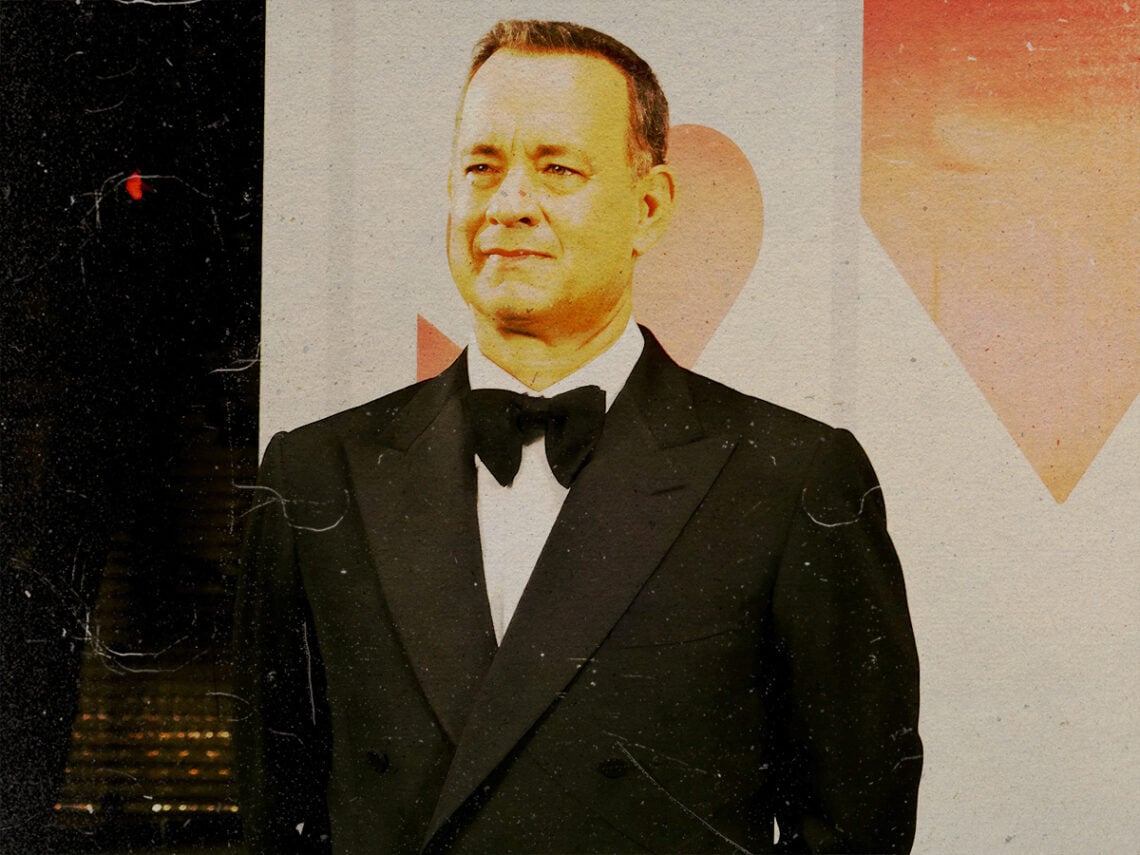
The 1968 movie that set Tom Hanks on the “actor’s path”

Tom Hanks has become one of the most familiar faces – and voices – in Hollywood. Since making his feature film debut over four decades ago, Hanks has taken on a beloved Pixar cowboy, the titular role in Forrest Gump, and a castaway with only a volleyball for company, each role further endearing him to audiences and critics alike.
Part of Hanks’ enduring appeal comes from his ability to balance sincerity with emotional depth. Even in larger-than-life stories, he often grounds his performances in an everyday humanity that audiences instinctively trust.
But long before Hanks won Academy Awards for his performances in Philadelphia and Forrest Gump, he found his love for acting and film through a Stanley Kubrick film. Hanks was set on the idea of becoming an actor when he was in his pre-teens, immediately taken in by a Kubrick classic widely considered to be one of the greatest films of all time.
Kubrick’s film was unlike anything mainstream audiences had experienced in the late 1960s. Its deliberate pacing, sparse dialogue and philosophical themes challenged traditional ideas about what blockbuster cinema could achieve.
He named 2001: A Space Odyssey as the film that set him on the “actor’s path”, which he first viewed at just 13 years old. “2001: A Space Odyssey showed me what could be communicated just by image – silent image,” he remembered during a conversation with Film Comment.

Released in 1968, 2001: A Space Odyssey is perhaps the most important influential sci-fi movie of all time, a tale of alien investigation and human life. It won some success on its first release, receiving an Academy Award for its visual effects, but it has only gathered more acclaim and admiration since then, and Hanks is no exception.
“By somebody’s vision and camera they could communicate both something as earth-shattering as man’s place in the universe,” the actor continued to enthuse, “It was a heady thing. I’ve probably seen the movie 22 times.” It’s an impressive conclusion to have taken away at such a young age, and an impressive number of rewatches to have completed since then.


“It got me into a sensation that you get, whether you’re alone or with two and 20. You sit there completely transfixed… suspension of disbelief and all the other stuff,” Hanks concluded. It’s an effect that the film has had on many, leading it to retain its place as a classic decades after its first release, but few others have been set on an actor’s path quite like Hanks’.
Though he was set on his career path by a sci-fi classic, it’s a genre that Hanks has rarely delved into in his own work. His appearances in space on screen are limited to the likes of the 1995 dramatisation of the Apollo 13 mission and the Wachowski’s Cloud Atlas.
Still, he has made films with that same capability to communicate earth-shattering emotion and humanity by image, to transfix, to force the suspension of belief.
Whether through Forrest Gump’s quiet optimism or the loneliness of Cast Away, Hanks has consistently pursued the same emotional immersion that captivated him as a teenager watching Kubrick’s masterpiece for the first time.
