


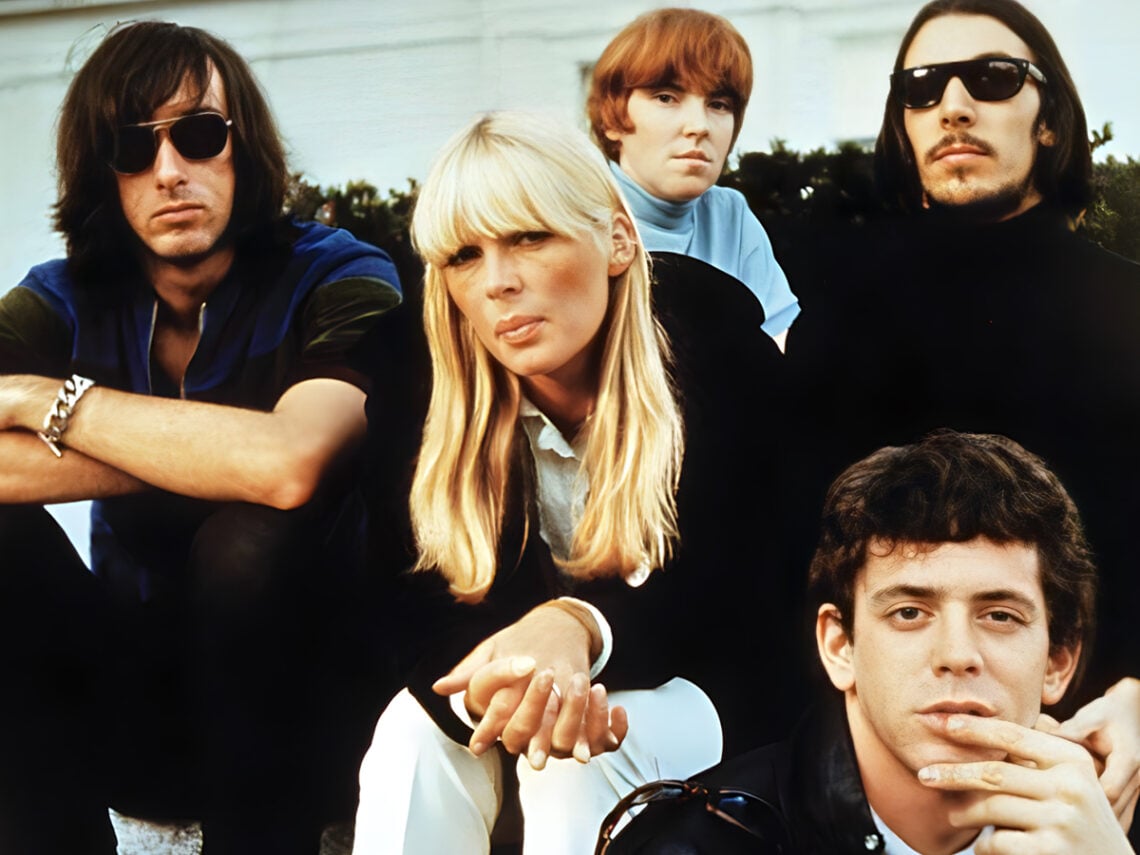
“The whole philosophy is summed up”: The 1967 song that defined The Velvet Underground

There seemed to be no real rhyme or reason to what the Velvet Underground were doing whenever Lou Reed made a record.
He was looking to make things sound as discordant as possible, and if someone could guess where he would be heading on every one of his albums, he figured that was a good sign for him to switch things up and move on to something entirely different. It was no big deal for him to make something that sounded deliberately ugly from time to time, because all that mattered was that it reflected how the band felt at every point in their career.
While any band can find a sound and stick with it, you can usually tell which album that you’re listening to with The Velvet Underground from specific songs. A tune as homely as ‘After Hours’ was never going to fit on White Light/White Heat, and while ‘Sweet Jane’ is one of the closest things that they ever had to a hit, they weren’t quite right to take on that level of rock and roll whenever they began their career with Nico. They needed time to grow, and they figured that every song would be a document of that process.
Then again, that doesn’t mean that most people wanted to listen to them. Reed was already frustrated with his record company by the time he put out Metal Machine Music, and while I can respect someone releasing an album of guitar feedback as one big middle finger to his record company, combing through 90 minutes of that noise would make anyone feel like they’re going absolutely insane.
But when the Velvets first started, those blemishes were half the reason why a lot of their songs worked. ‘Heroin’ only has two chords and has some of the most discordant passages of the 1960s, and yet for someone talking about going through heroin withdrawal, that’s usually the right approach. Not everything needed to be bright and happy, but Reed did know how to leave people stunned by how beautiful his melodies could be.
The fact that ‘Sunday Morning’ is on the same album as ‘Venus in Furs’ is insane considering how different they are, but ‘I’ll Be Your Mirror’ was already one of the key statements of the record before Reed even put the finishing touches on. He had written the song for Nico to sing, but he felt that the lyric suited what he was trying to do with the band better than anything else in his catalogue.
Because, really, the band were only hoping to capture what they felt, and everything was going to be a reflection of them, saying, “It’s about reflecting back more than just what they want to see. Sometimes it’s about reflecting back what they should see but don’t know. It takes arrogance to say that, but the whole philosophy of the writing is summed up in ‘I’ll Be Your Mirror’, and I still believe that. It’s very sweet, compassionate and loving, which isn’t something you normally associate with that, but I do.


Being that kind of mirror to society was never going to be easy, but that’s half of the reason why the Velvets were so taboo back in the day. Much of the rock and roll world wasn’t ready to deal with songs that dealt with such difficult subjects, but now that the biggest names in shock rock were tearing down everyone’s notions of what taste was supposed to be, Reed’s lyrics are practically a mission statement about what rock and roll was always going to turn into.
He wasn’t the easiest lyricist to understand half the time, yet it gets a lot easier when you start to realise that all of his music was art in its own way. It didn’t matter if it rhymed or if it had hit potential so long as it made you feel something, and Reed was going to spend the rest of his life trying to get the right reaction to whatever he was working on.
