


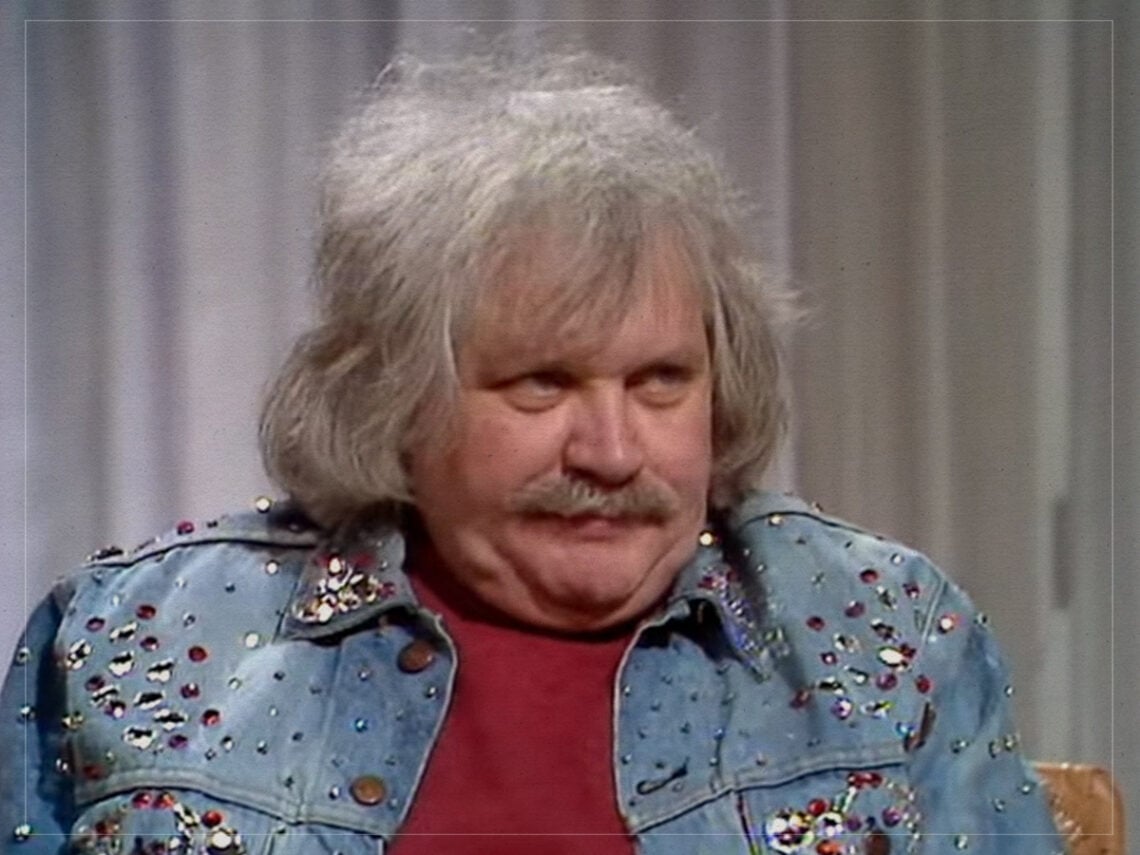
The 1967 movie Ken Russell was wrong to hate: “I could kick myself”

Sometimes movies age well, sometimes they age very badly.
There are scores of examples of films that were panned on release but found huge acclaim several decades later, just as there are titles from your childhood that you watch as a grown-up and realise ‘what the hell was I thinking?’
We are all allowed to change our minds about things; that’s the good part, and it’s why movies can start out as box office bombs and end up cult classics once enough time has elapsed. Even directors, the men and women behind the vision, can end up doing a full 180 on their own films, rather like the late Ken Russell did with his contribution to the Harry Palmer franchise.
By the time 1967 rolled around, Michael Caine was probably the biggest movie star in the UK, with both instalments of his spy series doing the business at cinemas, especially 1965’s The Ipcress File, which was a kind of thinking man’s James Bond at the same time Sean Connery was finding global acclaim as 007.
That picked up a Bafta for best film the following year, and so demand was high to see more of Caine’s bespectacled secret agent, leading to 1966’s Funeral in Berlin, which didn’t go down quite as well as the first with critics but was still very popular with the cinema-going public.
A third helping of Harry Palmer was therefore a formality, although by that point Caine was getting annoyed with his existing contract and eyeing up other far more lucrative offers from across the pond, as well as the higher salary Connery was commanding for Bond.
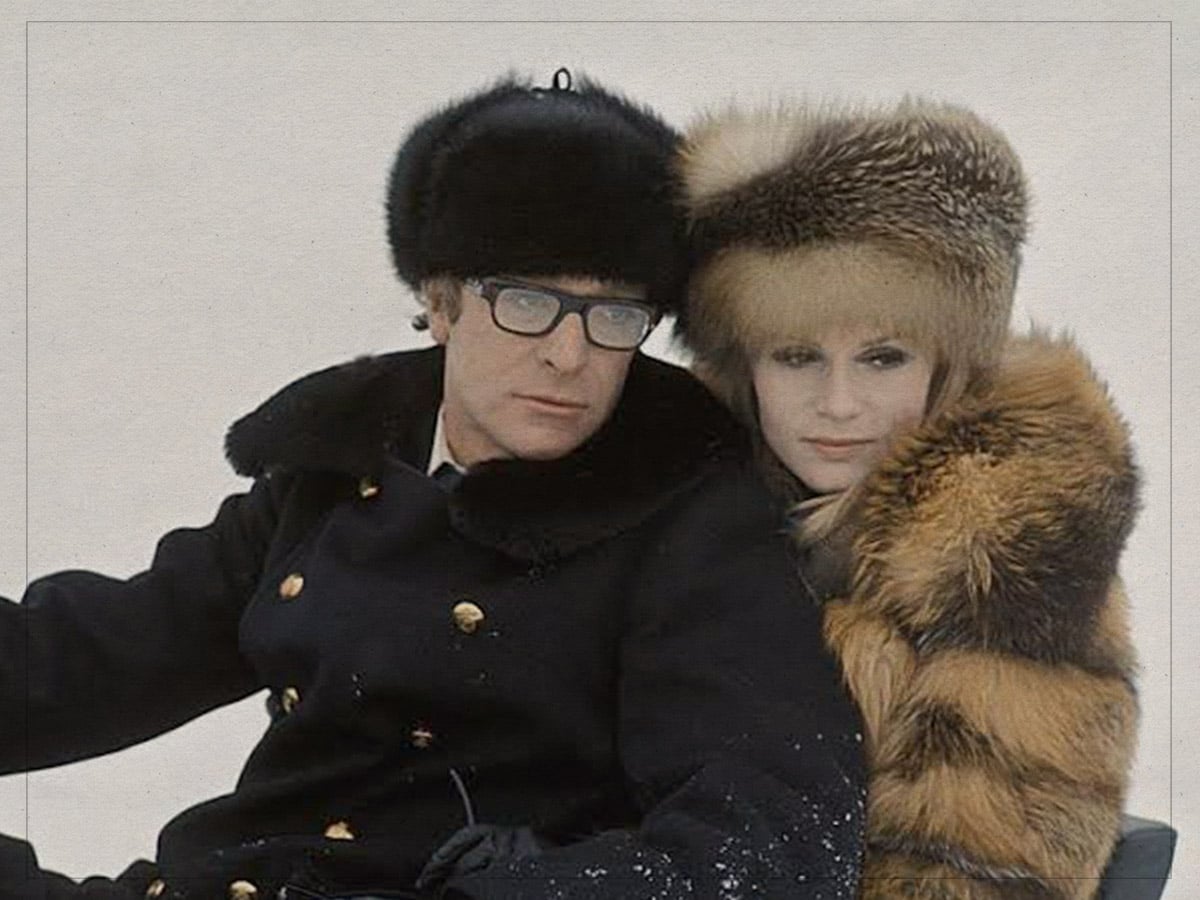
The producers of the third film, Billion Dollar Brain, agreed to release Caine from his contract if he returned one more time, but they wanted a totally different feel to the film from the first two in the series. That meant a new director, and eventually they settled on Ken Russell, the British director who had made some acclaimed films about classical composers and a poorly-received comedy called French Dressing.
Once hired, Russell set about working on a screenplay from a book that didn’t make too much sense, imbuing an anti-American feel which the director would later say went down well with young people in the US as Vietnam War protests were beginning to take hold. There were arguments over the cinematographer, though, who was replaced, and certainly about the choice of filming location, which turned out to be a freezing Helsinki.
Caine, for one, was particularly upset about it, complaining that “your brain started to freeze” and a climactic scene that was begun in the ice-filled Baltic sea ended up being abandoned and filmed at Pinewood studios instead. Caine was fed up with Russell by the end of it all, saying that hiring him was a mistake, although he was “a lunatic genius”.
When Billion Dollar Brain came out, it did not go down well with the critics at all, who thought it was terrible. Caine publicly said that he felt Russell had lost track of the story and that audiences couldn’t follow what was going on.
At the time, the director tended to agree, saying: “Making the film was such a struggle and its reception so dispiriting that for years after I automatically ran it down to everyone.”
But he later added: “When it was revived on television recently, I saw it again and was very agreeably surprised. It’s totally incomprehensible, of course, but quite stunning in parts… I could kick myself for apologising for it all these years.”
Russell’s real success was still ahead of him; he would go on to make the acclaimed Women in Love, The Devils and Tommy within an eight-year period.

Never Miss A Tale
The Far Out Michael Caine Newsletter
All the latest stories about Michael Caine from the independent voice of culture.
Straight to your inbox.