


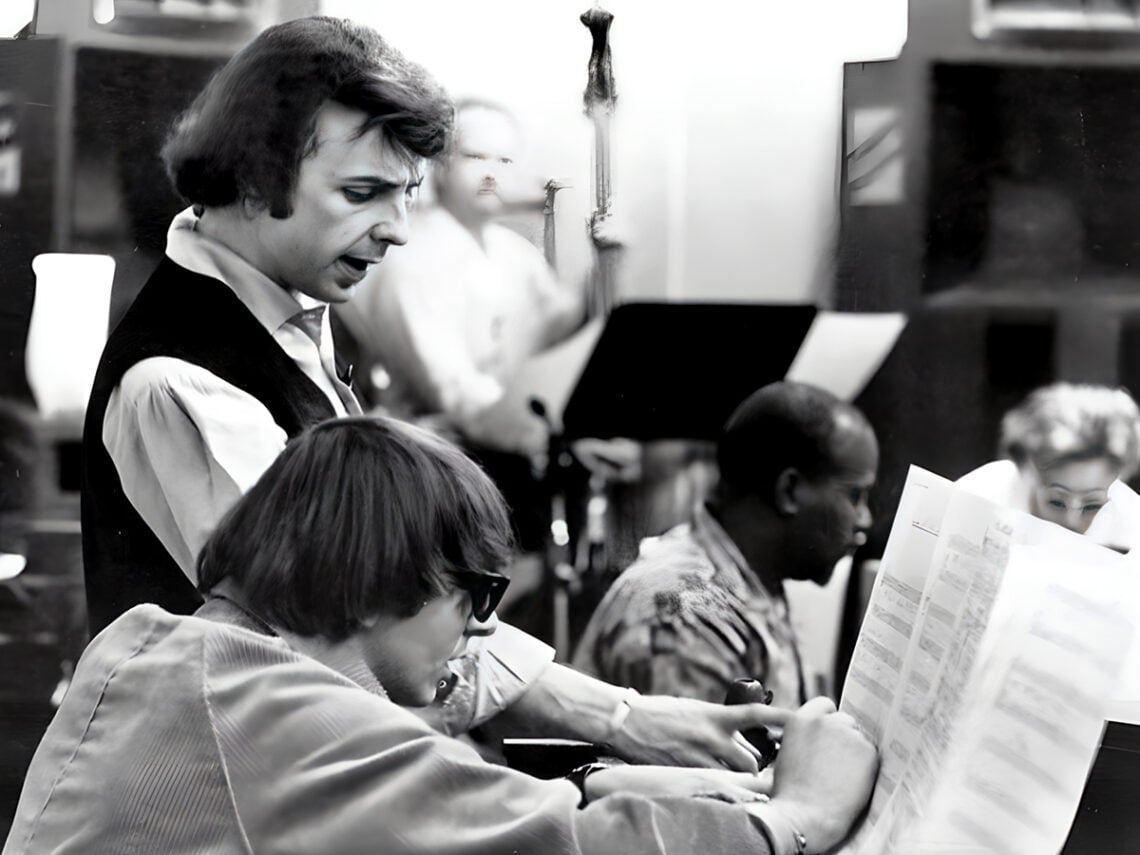
The 1950s singer Phil Spector said went “down the tubes” copying Bob Dylan

If you were asked to come up with a list of similar artists to Dion, that’s Dion DiMucci of Dion and the Belmonts, the singer-songwriter, pop star and bluesman, what names would you reach for?
Well, it depends which incarnation of Dion you’re thinking of, but the names that immediately spring to mind in connection with his most famous work are people like Rick Nelson, Del Shannon, Marty Wilde, Frankie Valli or Ernie Maresca.
Most of them are a far cry from Bob Dylan (though he has covered his share of Rick Nelson songs over the years), but that’s exactly who Dion was compared to by known madman and future murderer Phil Spector in a 1968 interview with John Gilliland for the Pop Chronicles radio programme series.
And the comparison wasn’t without merit. Dion had dropped the Belmonts and was transitioning into a more contemporary sound. His 1968 album, Wonder Where I’m Bound, sounds more like something you’d expect to hear from Glen Campbell than it does from any of the doo-wop groups that Dion had previously been so associated with.
The production, arrangements and instrumentation across the album (which was produced by Tom Wilson, Dylan’s producer at the time) make it feel more like something Sonny and Cher would have been singing on, or maybe Petula Clark, Herman’s Hermits or The Turtles. Dion, though, was probably more likely inspired by Dylan, with whom he had become fast friends in 1961, or those in his orbit, like The Byrds, The Mamas & the Papas or The Animals.
In fact, the second song on Wonder Where I’m Bound is a cover of Dylan’s ‘It’s All Over Now, Baby Blue’, a perfect song to close one chapter of your career on, before heading down a new, unknown path. Spector, though, wasn’t so impressed with this change in gears and change of tone, saying that “Dion wasn’t imitating anybody. That’s really how the cat sang. And I sang like a New York kid on the street corner”.
“But soon as he started to imitate Dylan, he went down the tubes.”
He then expanded that it wasn’t just Dion’s sound he took umbrage with, but his entire change of demeanour and personality, too, adding, “He grew a beard and had long hair. And he got up there with his guitar and everybody. Get off the stage, you know, because you’re imitating what you see” as well as calling it “easy” and saying that “it’s good to imitate something nobody knows anything about”.
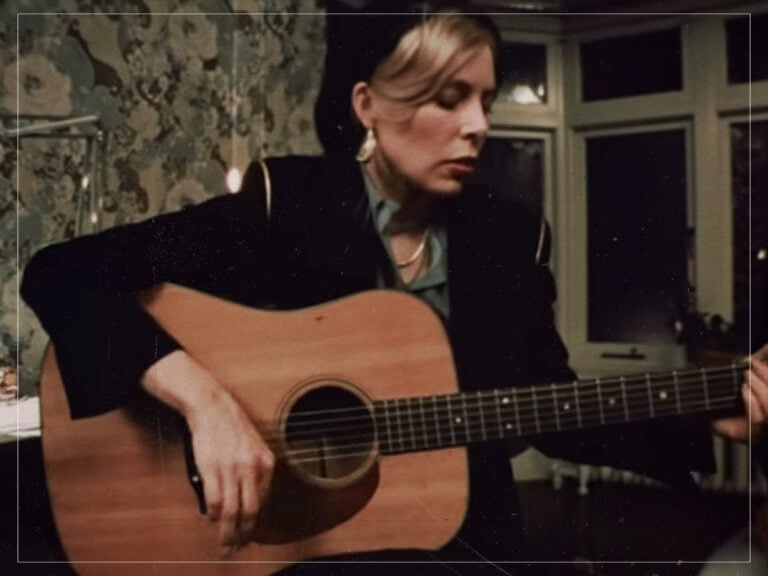
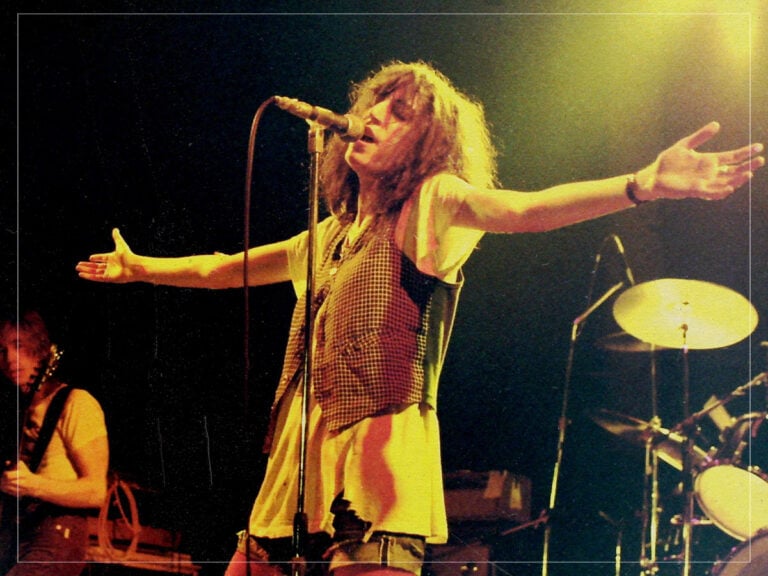

Spector and Dion actually got together to record what would eventually go on to become DiMucci’s 14th solo album, Born to Be with You, in 1970 (the album wasn’t released for a further five years), where Dion once again sounds more like Glen Campbell, or maybe Gordon Lightfoot and Kris Kristofferson, than anybody else.
And no matter what Spector thought of his vocal style, Dylan himself is a true admirer. Writing in the liner notes for Dion’s 2020 album Blues with Friends, he said that “Dion learned early on that the way to be heard and reach hearts was to sing in his own rhythmic voice. And when you have a voice as deep and wide as Dion’s, that voice can take you all the way around the world and then all the way back home to the blues…he’s got some friends here to help him out, some true luminaries. But in the end, it’s Dion by himself alone, and that masterful voice of his that will keep you returning to share these blues songs with him.”

Never Miss A Tale
The Far Out Bob Dylan Newsletter
All the latest stories about Bob Dylan from the independent voice of culture.
Straight to your inbox.