


The 10 most annoying fictional bands in Hollywood history

Music and movies don’t always go hand in hand.
The recent box office has proven that audiences are interested in seeing their favourite musicians recreated onscreen, but the history of cinema is filled with completely fictional groups that are just as exciting as the real ones. In some cases, a fictional group can become so successful and iconic that it ends up crossing over into reality, such as the titular one in This Is Spinal Tap, which was seen as such an authentic recreation of what the rock scene was like in the 1980s that the cast reunited to give several full concerts where they remained in character.
Between Stillwater in Almost Famous, The Style Boyz in Popstar: Never Stop Never Stopping, or The Wonders in That Thing You Do!, there are plenty of fictional bands that produce genuinely good music, but few genres are more intolerable if they’re done badly than musicals and music-related films, where if the music doesn’t work in a film, it can be obnoxious on multiple levels.
Granted, there are also some cases in which films present a fictional band as being intentionally terrible for comedic purposes. Whether that is well-handled in a way that is authentically funny and does not try too hard to disorient the audience is something that is dependent on the filmmakers.
There are more than a few all-time great songs that came from fairly forgettable films, but there’s also a reason why many filmmakers choose to compile their soundtracks from existing tracks. Being dependent on completely original music can be a true gamble.
10 most annoying fictional bands in movies
DuJour – ‘Josie and the Pussycats’ (Harry Elfont and Deborah Kaplan, 2001)

Josie and the Pussycats was a satire that was ahead of its time with how it analysed the industry behind pop music and subliminal advertising; although not every critic understood that when the film first screened, it earned a deserved cult fandom.
While the trio of lead performances from Rachel Leigh Cooke, Tara Reid, and Rosario Dawson are actually fairly compelling when they get to sing in-character as the titular band, the film also includes an over-the-top boy band known as DuJour, who were clearly intended to be a parody of N’Sync and the Backstreet Boys.
DuJour doesn’t last that long in Josie and the Pussycats because the band’s plane is attacked as part of a conspiracy to sell more records, but their original songs (most notably ‘Backdoor Lover’) were designed to emulate the most banal and generic of pop music of the early 21st century.
The evil Wyld Stallyns – ‘Bill & Ted’s Bogus Journey’ (Pete Hewitt, 1991)
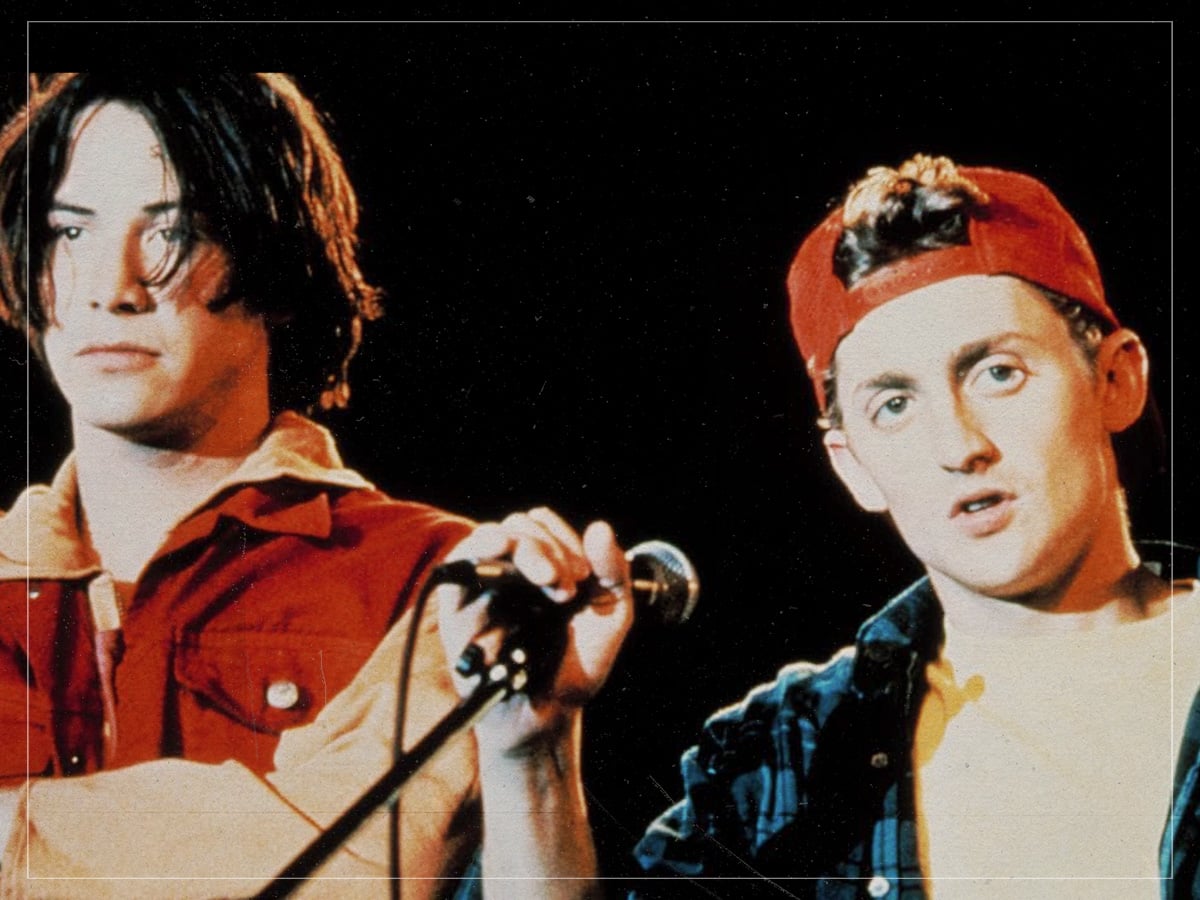
Alex Winter and Keanu Reeves became the ultimate high school stoner heroes when Bill & Ted’s Excellent Adventure became one of the strangest science fiction comedy hits of its time, prompting immediate interest in a sequel.
Although a more generic sequel might have sent the characters on another adventure through time to find more historical figures, Bill & Ted’s Bogus Journey opens with the titular protagonists getting killed and sent to hell, as they are replaced in the real world by evil robot clones.
The evil version of their band, Wyld Stallyns, has none of the sincerity and charm that the original did, which makes it even more impressive that Reeves and Winter were able to pull off dual performances as both the normal characters and their evil clones. Thankfully, the villains are thoroughly embarrassed at the end of the film, when they lose out to the real Wyld Stallyns as part of an epic Battle of the Bands.
The Max Rebo Band – ‘Return of the Jedi’ (Richard Marquand, 1983)
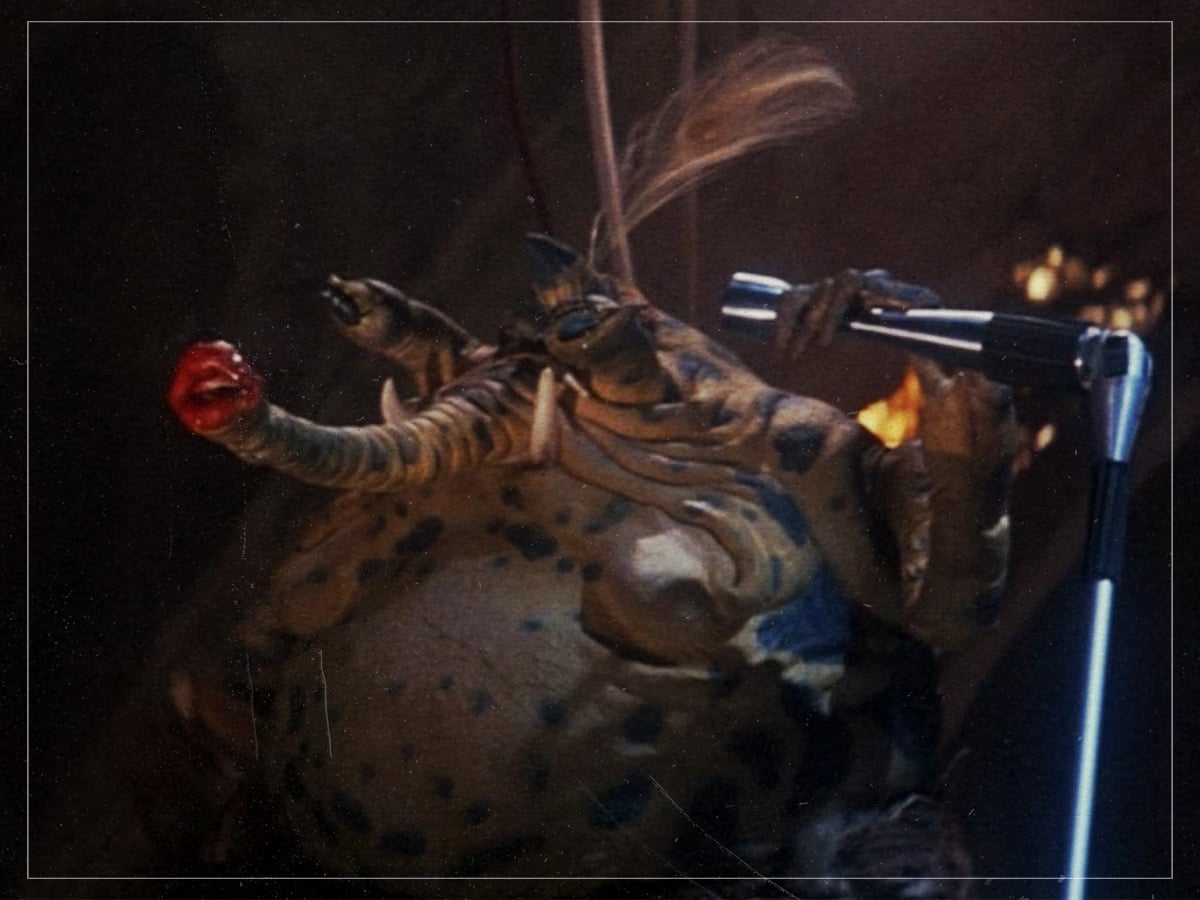
The original trilogy of Star Wars films has received many controversial edits and updates as a result of the ‘Special Edition’ re-releases and home media editions that were remastered by George Lucas, but none of the entries received as much backlash as Return of the Jedi. While Lucas had touched up elements of Star Wars and The Empire Strikes Back, he added a completely new sequence to Return of the Jedi that involved a full performance by a group of alien musicians at Jabba’s palace.
The original theatrical cut had some cool, funky tunes that reflect the seedy nature of Jabba’s criminal empire and the underworld of Tatooine, but the new version was overrun by horrific computer-generated imagery, which did not congeal with the practical effects that were instilled by director Richard Marquand in 1983, and Sy Snootles is a complete nightmare.
The Plastics – ‘Mean Girls’ (Samantha Jayne and Arturo Perez Jr, 2024)
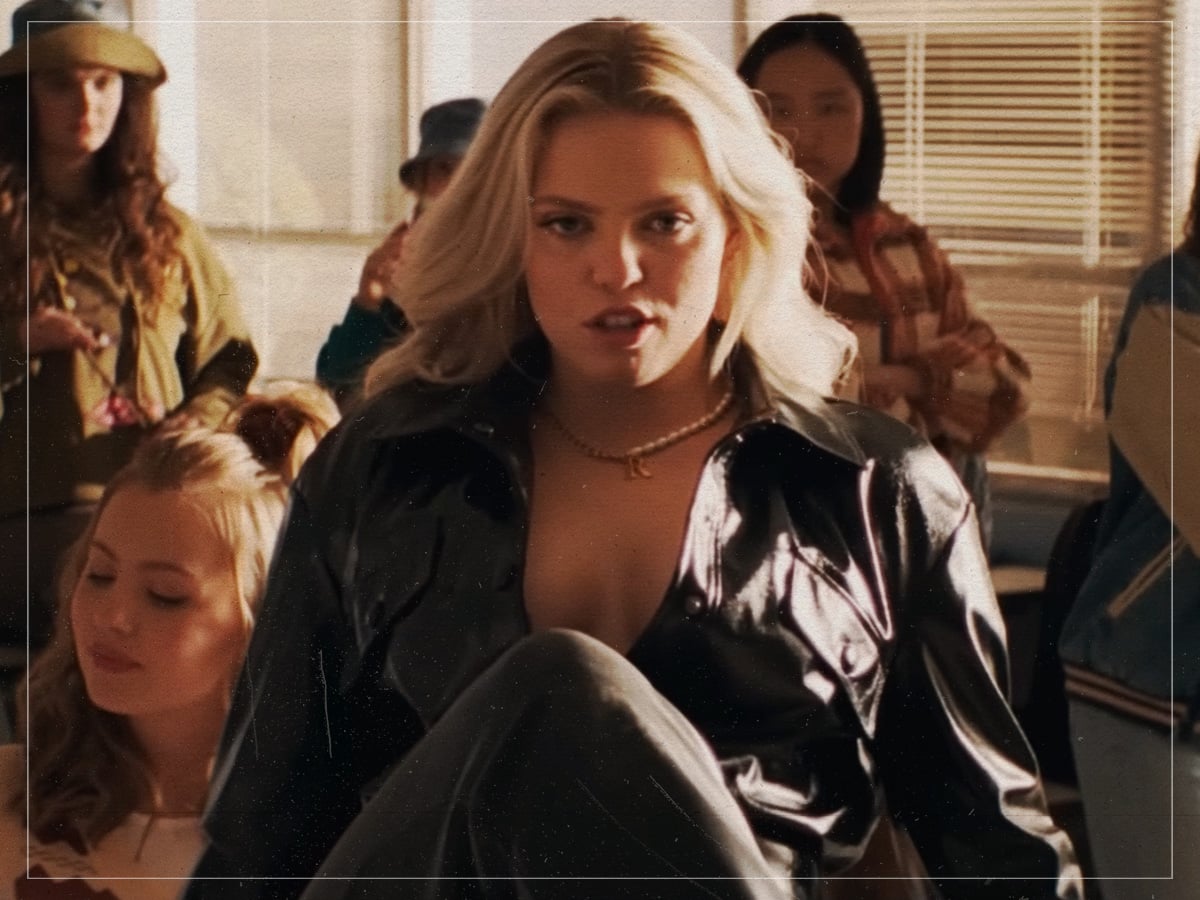
Tina Fey saw her legacy coming full circle in an unusual way when Mean Girls, the 2004 film she wrote, became so popular that it was adapted as a Broadway show, which was successful enough in its own right that it was adapted into a remake of the original film, but unfortunately, the 2024 reimagining both felt derivative of the original film and was even unable to capture the magic of the Broadway show.
The film had originally been designed to be a streaming exclusive, and that was instantly understandable based on how poorly the musical sequences were rendered, where The Plastics, as seen in the 2004 film, were the epitome of cool thanks to the dynamite performances by Rachel McAdams and Amanda Seyfried, but the remake felt completely out-of-touch with this generation of teenagers and the musical interests they have adopted in the last 22 years.
The Saja Boys – ‘KPop Demon Hunters’ (Maggie Kang and Chris Appelhans, 2025)
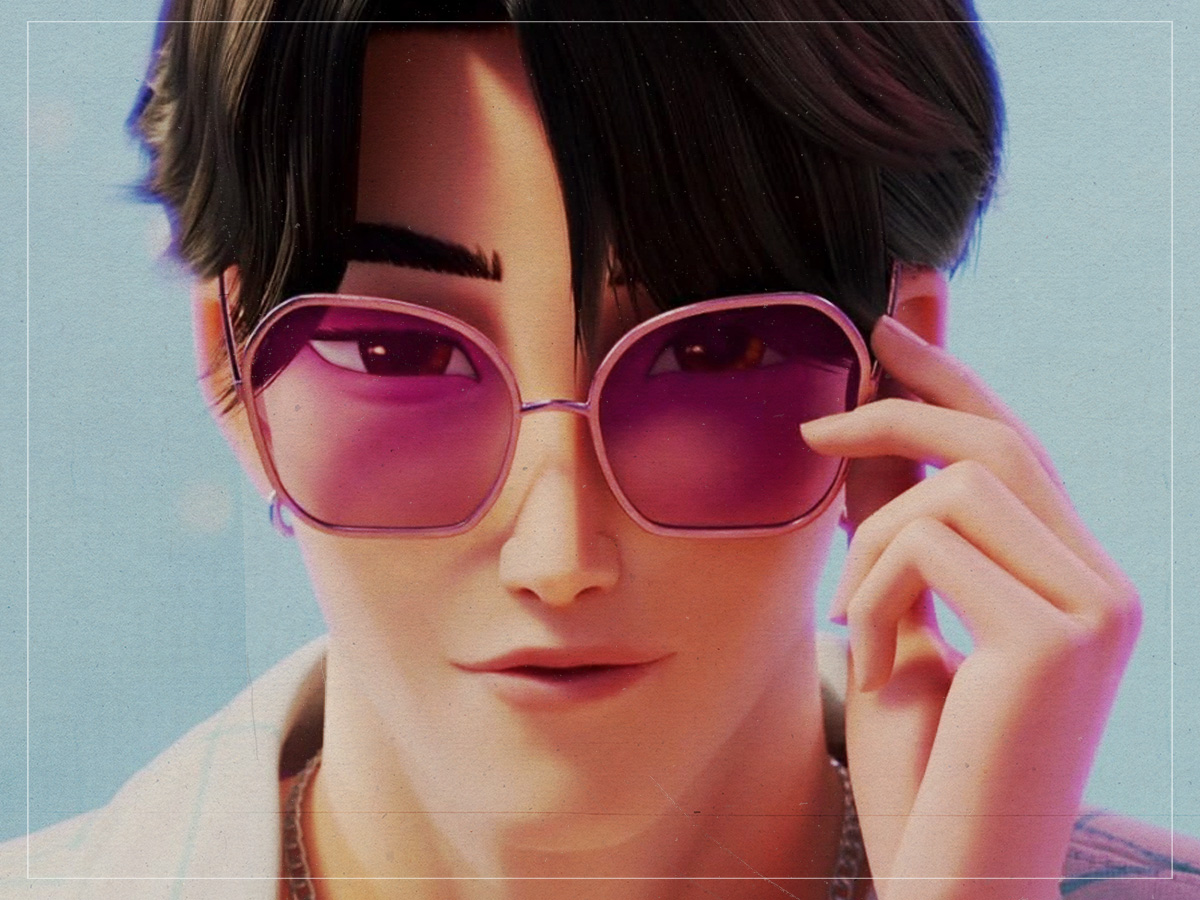
Netflix landed its biggest hit ever with KPop Demon Hunters, the animated musical sensation that topped music charts, won two Academy Awards, and earned so many views that the streamer service made a rare exception and put out the film in theatres. The cult behind the film has become so strong that people have become blind to the fact that the soundtrack has only a few legitimate bangers, and that not all of its earworms are worth getting stuck in everyone’s heads.
Even though the Saja Boys are initially positioned as villains and then join the girls by the end of the film, their music is intentionally hackneyed and cloying in order to represent a rift within the artistic merits of the two groups; there’s a reason why none of their songs received any awards or was performed live at the Oscars.
Foregone Conclusion – ‘David Brent: Life on the Road’ (Ricky Gervais, 2016)
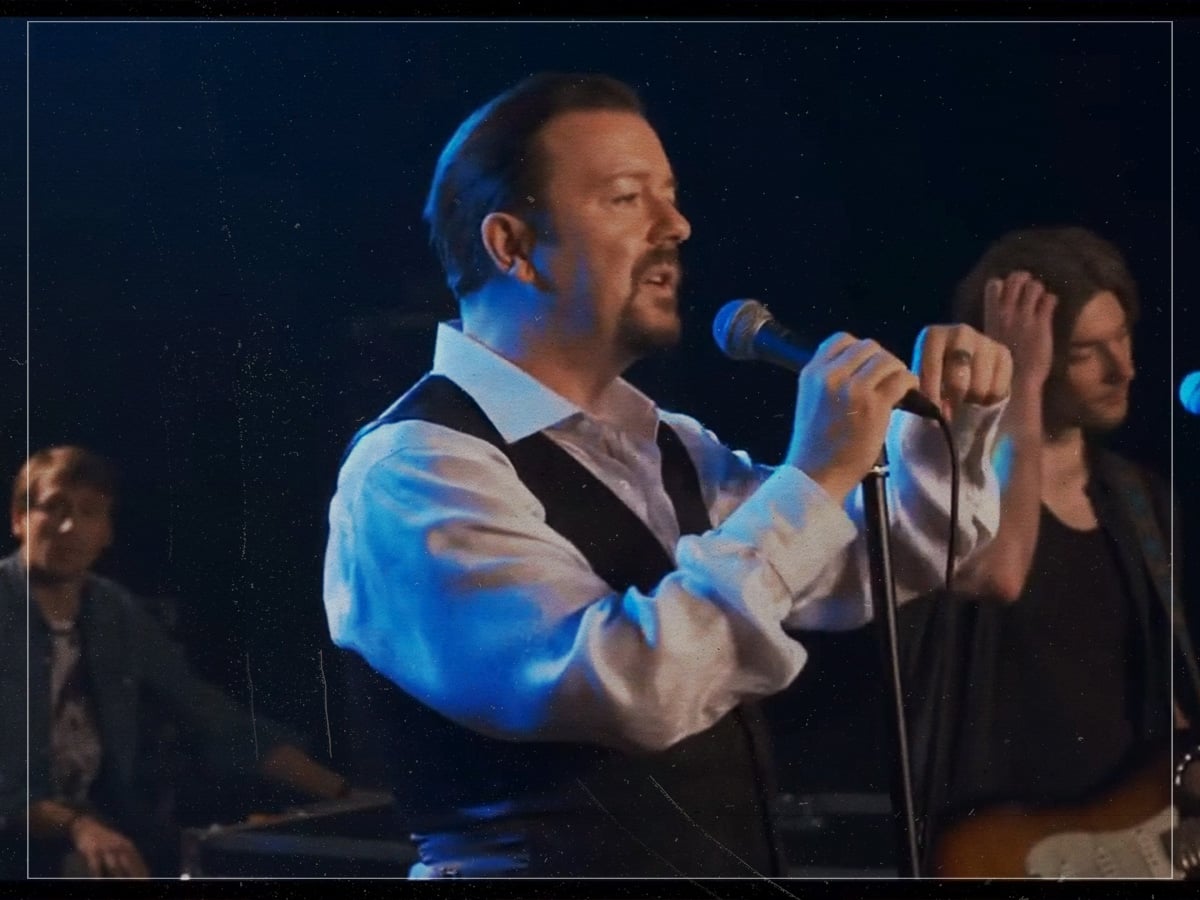
Ricky Gervais created his masterpiece with The Office, the iconic British sitcom where he debuted the character of David Brent, and one of the best running gags on the series was that Brent falsely believes himself to be a brilliant musician, even though his band Foregone Conclusion is actually terrible.
It was after the American version of The Office began to overtake Gervais’ original in terms of popularity that he returned to his character for the spinoff film David Brent: Life on the Road, which saw the disgruntled, failed musician attempting to go on tour. While the terrible singing was done intentionally so as to make Brent’s life feel even more pathetic and awkward, the film may have gone a little bit too far in recreating some of the miserable Foregone Conclusion concerts, even though Gervais is ironically a decent musician when he’s taking himself seriously.
The Bellas – ‘Pitch Perfect’ (Jason Moore, 2012)
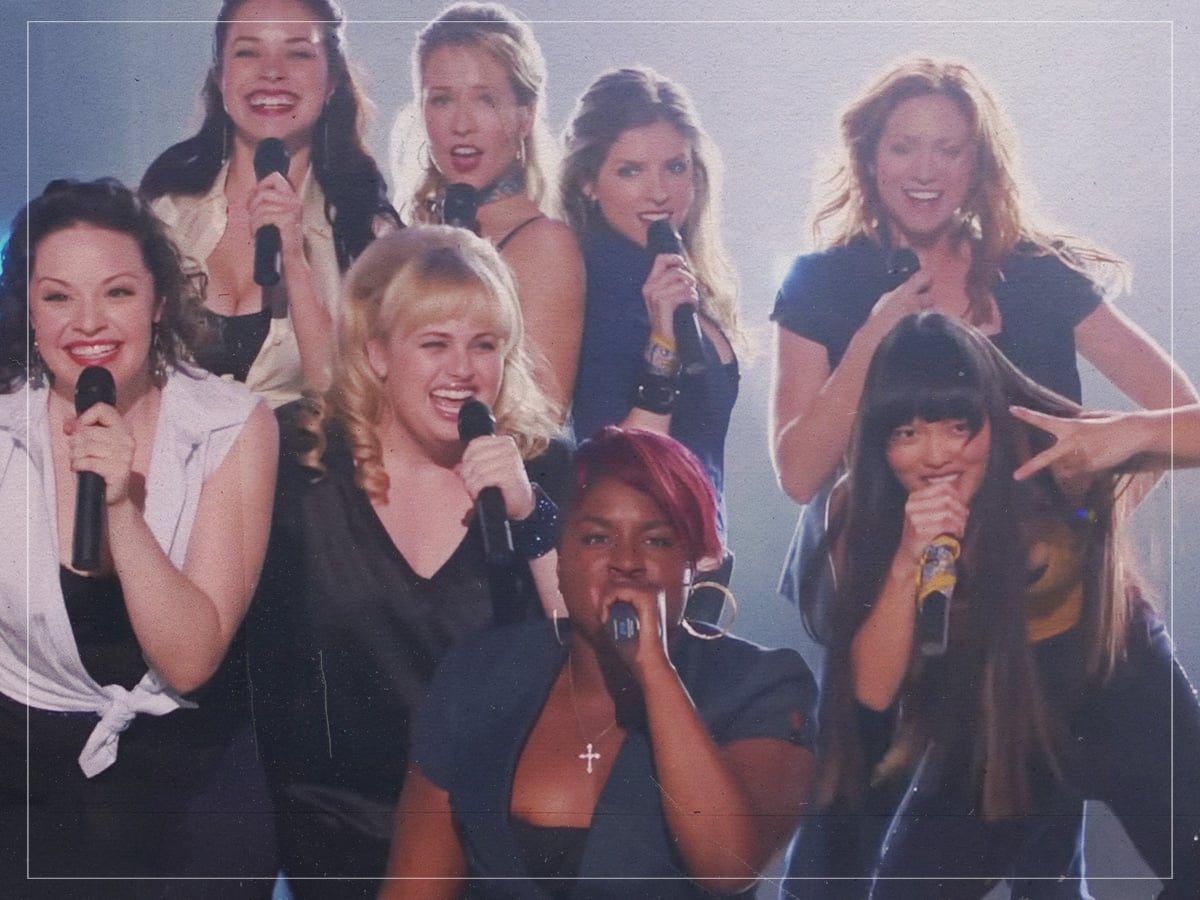
Anna Kendrick has had a fascinating career trajectory, as she broke out with an Oscar-nominated performance in Up in the Air before gaining more attention for her role in Pitch Perfect, a musical about an all-female acapella college group. The premise of Pitch Perfect may have been designed with theatre kids in mind, but anyone who wasn’t compelled by the notion of non-stop acapella versions of pop songs had to endure three films that increasingly went down in terms of quality.
Kendrick has proven to be a talented director with a sense of self-awareness, but the issue is that The Bellas in the Pitch Perfect series are vain, nasty, and genuinely pretty aggressive towards anyone else on campus. The failure of the third film might have finally put an end to The Bellas, who somehow seemed to pop up on the radio way more frequently than any other fictional band.
Kelly Canter’s Band – ‘Country Strong’ (Shana Feste, 2010)

Gwyneth Paltrow has made quite a few career missteps, but 2010’s Country Strong was a unique box office bomb because it felt totally insincere. While the film was attempting to explore country music in a way that Hollywood hadn’t really done before, it came off as judgmental of Southern culture, and featured actors who didn’t sound authentic.
Paltrow’s character, Kelly Canter, is a former country star who makes a rebound after spending time in rehab. Beyond the fact that Canter never makes any valiant attempts to reach out to those she harmed during the height of her addiction, the band she frontlines feels like a parody of what actual country music sounds like. It’s particularly upsetting given that there were many members of the Country Strong cast who can actually sing, such as Garrett Hedlund and Leighton Meester.
The Amigos – ‘Happy Feet’ (George Miller, 2006)

George Miller has one of the strangest filmographies because, in addition to creating the legendary Mad Max franchise of post-apocalyptic steampunk action films, he also helmed the two Happy Feet films. That Miller has an Oscar for Happy Feet is a disgrace, given that the only thing that has aged worse about the 2006 family film than the animation itself is the music.
If penguins that sing and dance to a variety of classic and contemporary pop songs sound even remotely compelling, Miller made sure to run it into the ground over the course of two films. Despite a voiceover cast that included a number of talented celebrities, Happy Feet never works as a musical; Robin Williams voices the leader of a group of penguins known as The Amigos, and to say that it’s not as good as Genie in Aladdin would be putting it mildly.
The Chipmunks – ‘Alvin & the Chipmunks’ (Tim Hill, 2007)
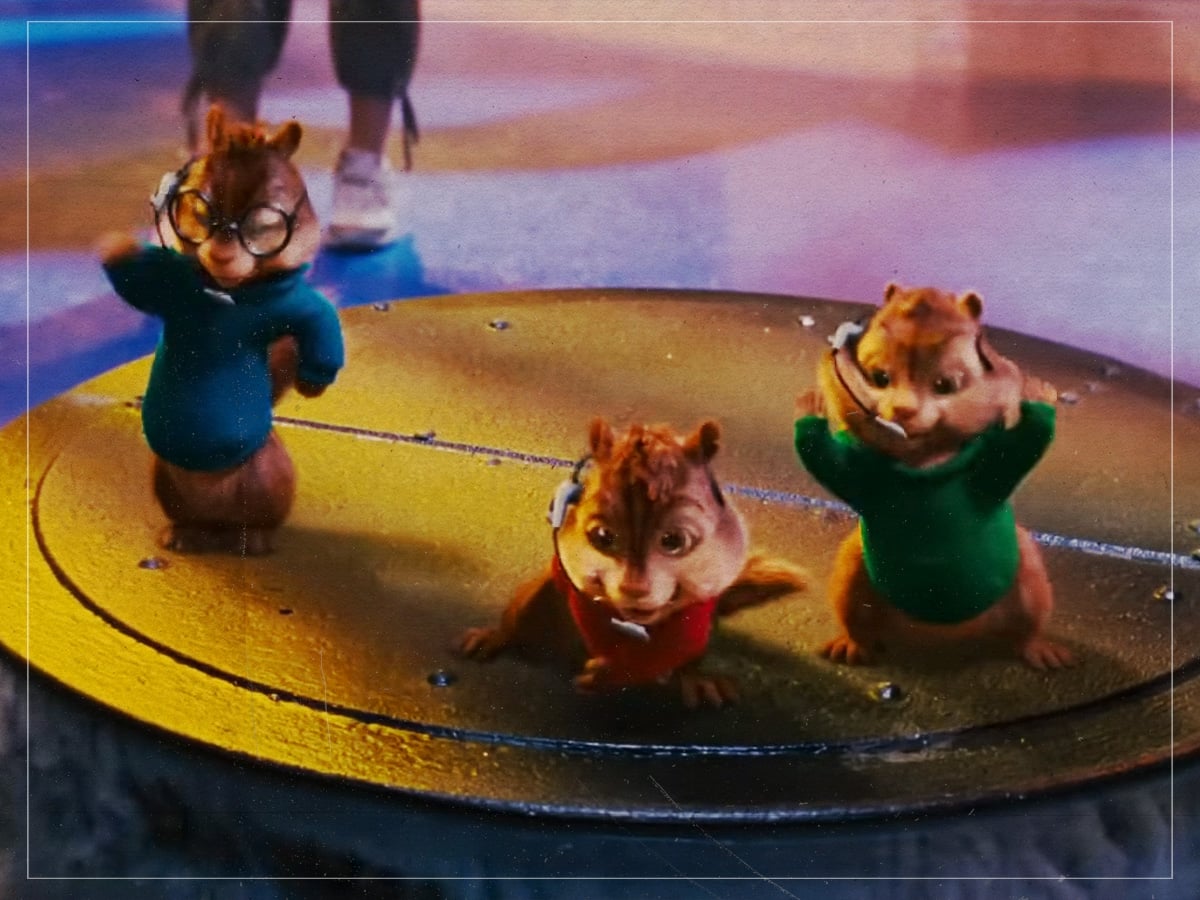
The original animated Alvin & the Chipmunks series was a staple of animation that was ahead of its time, even if the fictional musician group was pretty much intolerable for anyone who wasn’t a very young child. It would have been fine if they stuck to 2D animation on the small screen, but 2007 saw the characters taking a leap into cinema with a mixed-media film that combined CGI animated chipmunks with human actors.
The franchise became a cash cow that nearly everyone with any dignity involved came to regret, with David Cross even singling the series out as being the worst experience of his professional career. The squeaky, high-pitched voices of the characters somehow made them even more obnoxious than their counterparts in the animated show, and the creepy CGI used to give them humanlike features only made matters worse.
