


The 10 longest charting Motown singles of all time are still classics

For a large part of the late 20th century, the Motown label was populated by successes and was a hit-making machine when ruled by the iron-fisted Berry Gordy.
A crop of young artists were swept up in the allure of perceived musical security and delivered hit after hit, for the label focused on releasing the very best of pop, soul, and R&B. Under Gordy’s stewardship, this label put the seemingly bulletproof Beatles to the sword, running them close in the weekly chart numbers. An insatiable appetite for success manifested upon the label’s immediate experience of it, and so a string of young impressionable stars were brutally mismanaged by Gordy.
But while the stories of toxic leadership and corruption still exist in the shadows of Motown’s history, there are many more that continue to tell the story of its success. Stevie Wonder, Marvin Gaye and Diana Ross are but a few names who graduated from Gordy’s school of music business, and while they were initially moulded into commercially successful monsters, they later grew into independent artists who shaped the history of music.
Subsequently, Motown’s legacy bled on right up until the very end of the 20th century, where the remaining artists associated with the label continued to top the charts and cement its reputation. And while the wider story has darker chapters to tell, these listed hits showcase just how timeless Motown’s influence on music was.
The 10 longest-charting Motown singles:
‘Baby Love’ – The Supremes
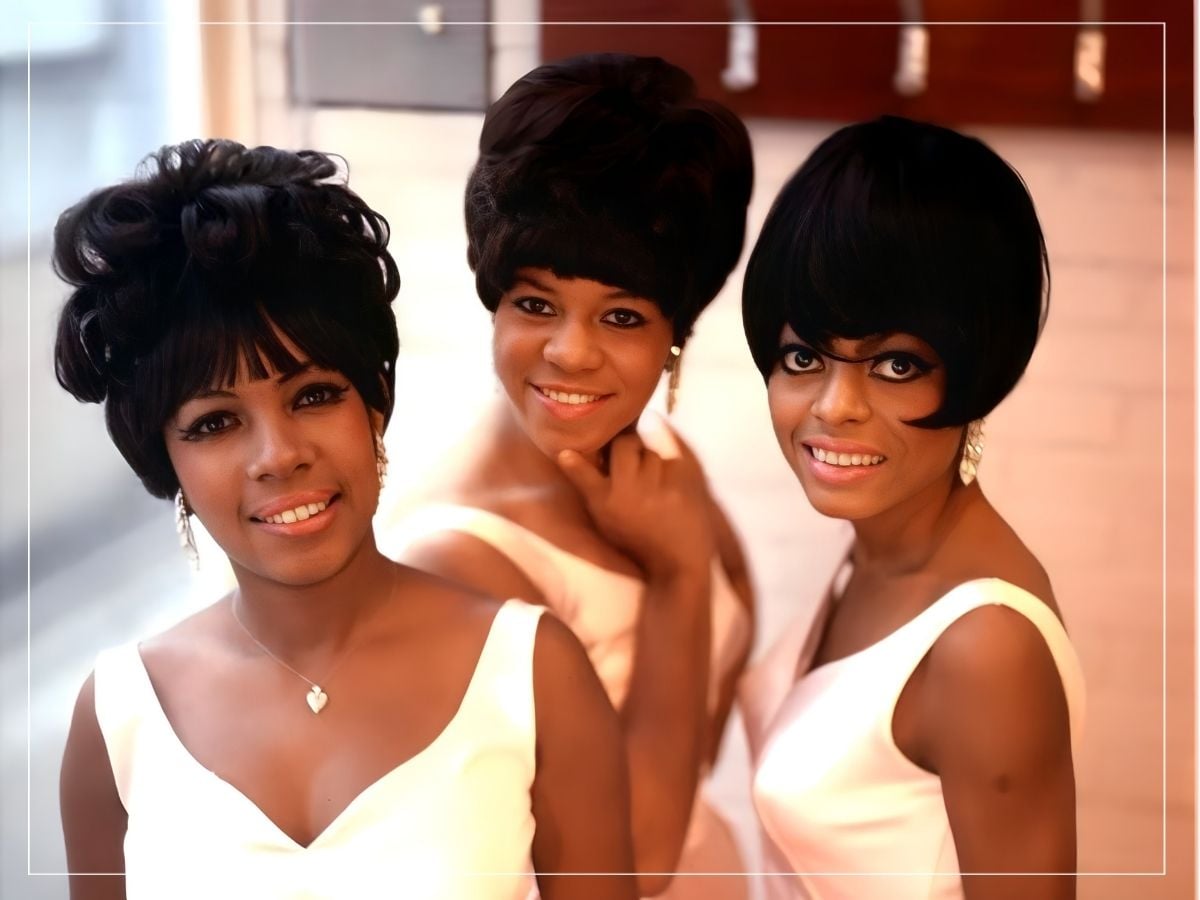
While The Supremes introduced themselves to the biggest stage with ‘Where Did Our Love Go’ in June 1964, scoring their first number one hit as a group, it was with its follow-up single, ‘Baby Love’, that they truly came into their element.
Even though Diana Ross is often the focal point of the group, with people tending to overlook the brilliance of her then-bandmates Mary Wilson and Florence Ballard, the trio were evidently becoming a force to be reckoned with, a run of singles that showcased how well their voices combined.
Written by the equally illustrious Holland-Dozier-Holland songwriting trio who Motown so heavily leaned upon for their services during the 1960s, ‘Baby Love’ is a fantastic mark of how this specific combination of writers and performers helped to elevate the label to legendary status in the charts, with the writers teaming up with The Supremes for three consecutive Motown number-one hits in the same year.
‘Say You, Say Me’ – Lionel Richie
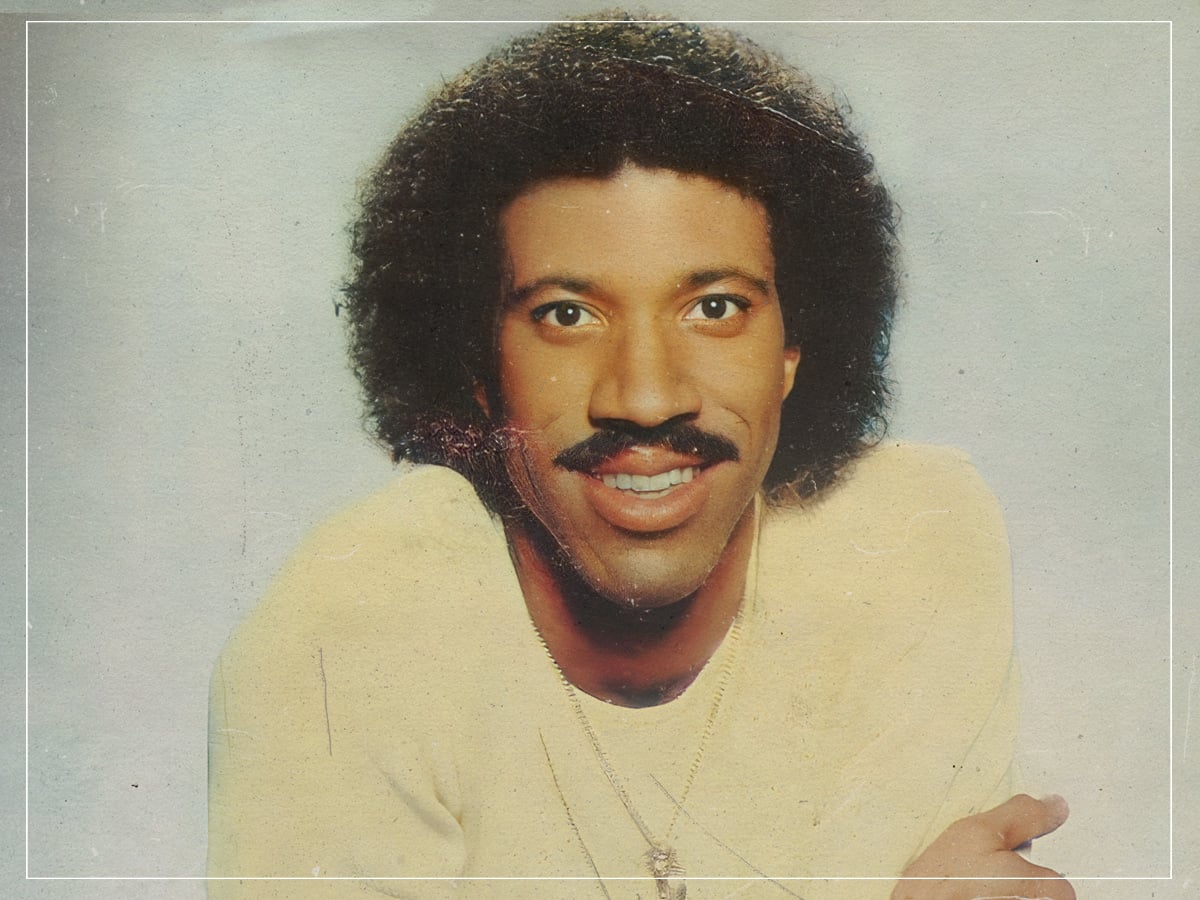
Lionel Richie once again proved that commercial success lies within the song’s ability to serve as a soundtrack, and like ‘Endless Love’, ‘Say You, Say Me’ was another cross-platform hit that thrust him to the very top of the charts, as well as earned him an Oscar for ‘Best Original Song’.
But its success within the movie world largely explains the sonic shift. It wasn’t the sort of song that would ordinarily have got the best out of Richie, with its slow ballad composition, driven by a keyboard drenched in reverb. It was clean and more clinical than his other soul-focused hits, but in turn showed the possibility for the singer to become a more diverse artist in his now solo-based future.
‘All Night Long (All Night)’ – Lionel Richie
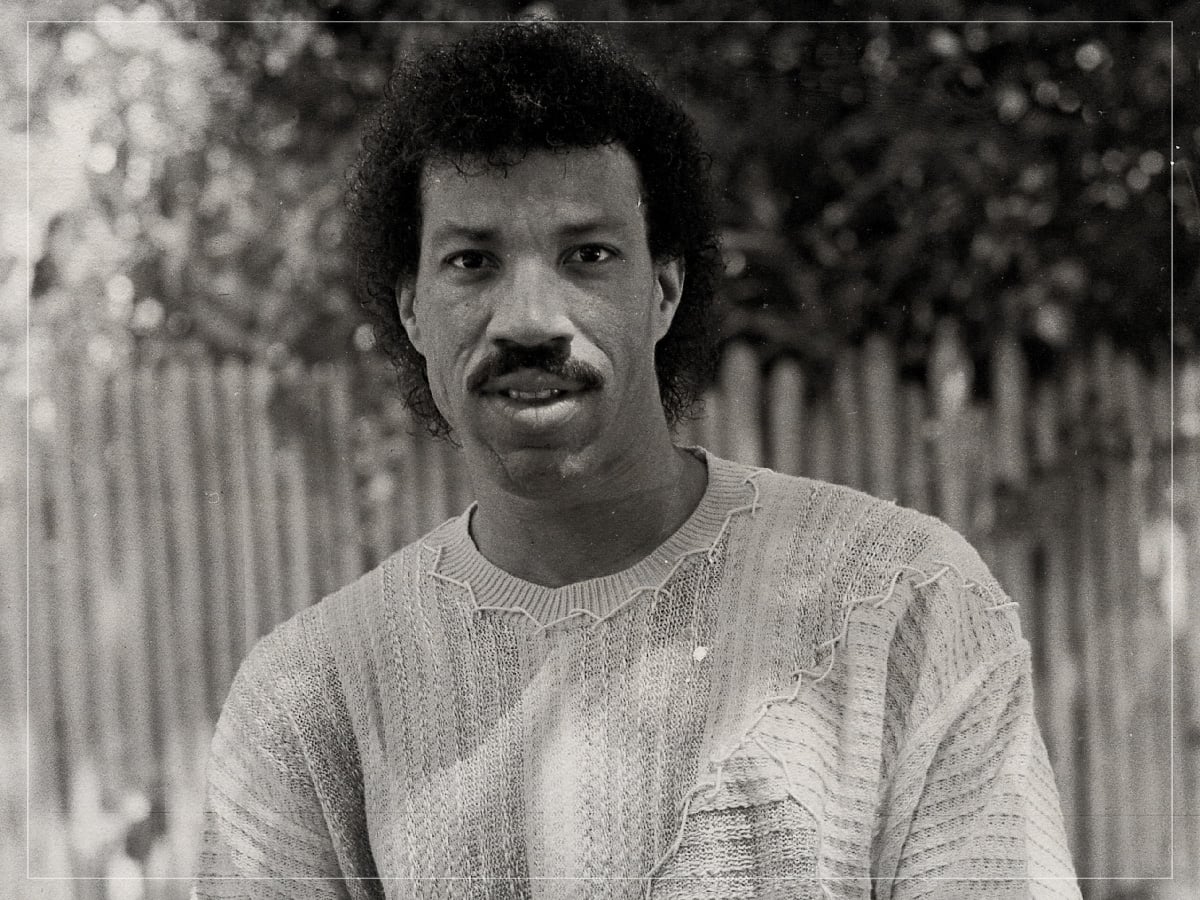
For his second entry on this list, Richie truly embraced the spirit of dance music that many of the artists signed to Motown had begun to serve up around the turn from the 1970s into the ‘80s. While some of the disco ventures that his contemporaries had already released prior were arguably a better stylistic match, the allure of Richie and his previous history of strong chart performances with The Commodores was enough to render ‘All Night Long (All Night)’ a major hit.
Now, unfortunately consigned to being wedding dance fodder, the track does still highlight how a label that was so intrinsically tied to a specific style became able to move with the times and adapt with the constantly evolving landscape of popular music. One might be able to argue that Richie has better songs, but it’s still proof that his command over the public and ability to fill dancefloors around the world were what propelled this song to the top of the charts for such a long period of time.
‘Upside Down’ – Diana Ross

Pivoting from the sweeter sounds of soul, to the more liberated worlds of disco, ‘Upside Down’ didn’t see Diana Ross relinquishing her title as the ‘Queen of Motown’, but rather confirming her place as music royalty. With the quick change of sonic tact, she was taking the reputation of Motown that she helped define into new stratospheric realms.
While the composition created by Nile Rodgers felt like the most definitive element of this song, Ross’ voice sounded as good as it ever did. Even though the iconic singer felt her voice was somewhat overshadowed at times, the final product proved that the upbeat and textural soundscapes served as a fitting partner for the endless range of her captivating and joyous voice.
‘I’ll Be There’ – The Jackson 5
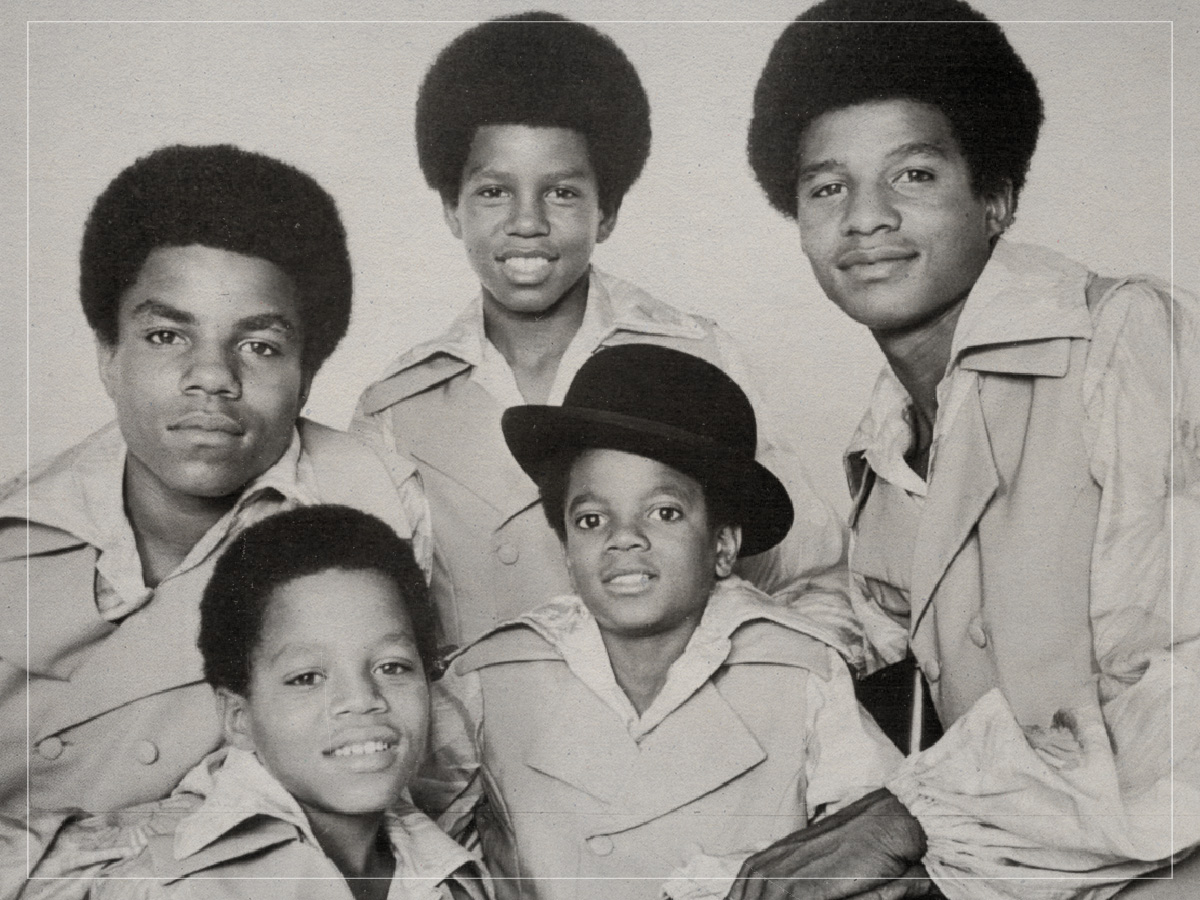
It’s remarkable to think that the Jackson 5 first emerged towards the tail end of the 1960s rather than at the start, given how much their early style fit perfectly alongside some of Motown’s earlier classics.
What’s even more remarkable is that Michael Jackson, who is the dominant lead vocal on the track, was only a day away from turning 12 years old on the day it was released, and yet, the child who would go on to become the ‘King of Pop’ already had such a compelling presence behind the microphone.
It’s a testament to the purity and assuredness of his vocals that this song is such an enduring hit, and even if you were to take away his youthful spirit, the track holds up in terms of being a fine example of how Motown was just as good at producing balladeers as they were at producing soulful hit machines. ‘I’ll Be There’ is far from perfect, but the faults in it are what make it so endearing, and it still remains a fantastic example of the range that the Jacksons were able to produce throughout their catalogue.
‘On Bended Knee’ – Boyz II Men
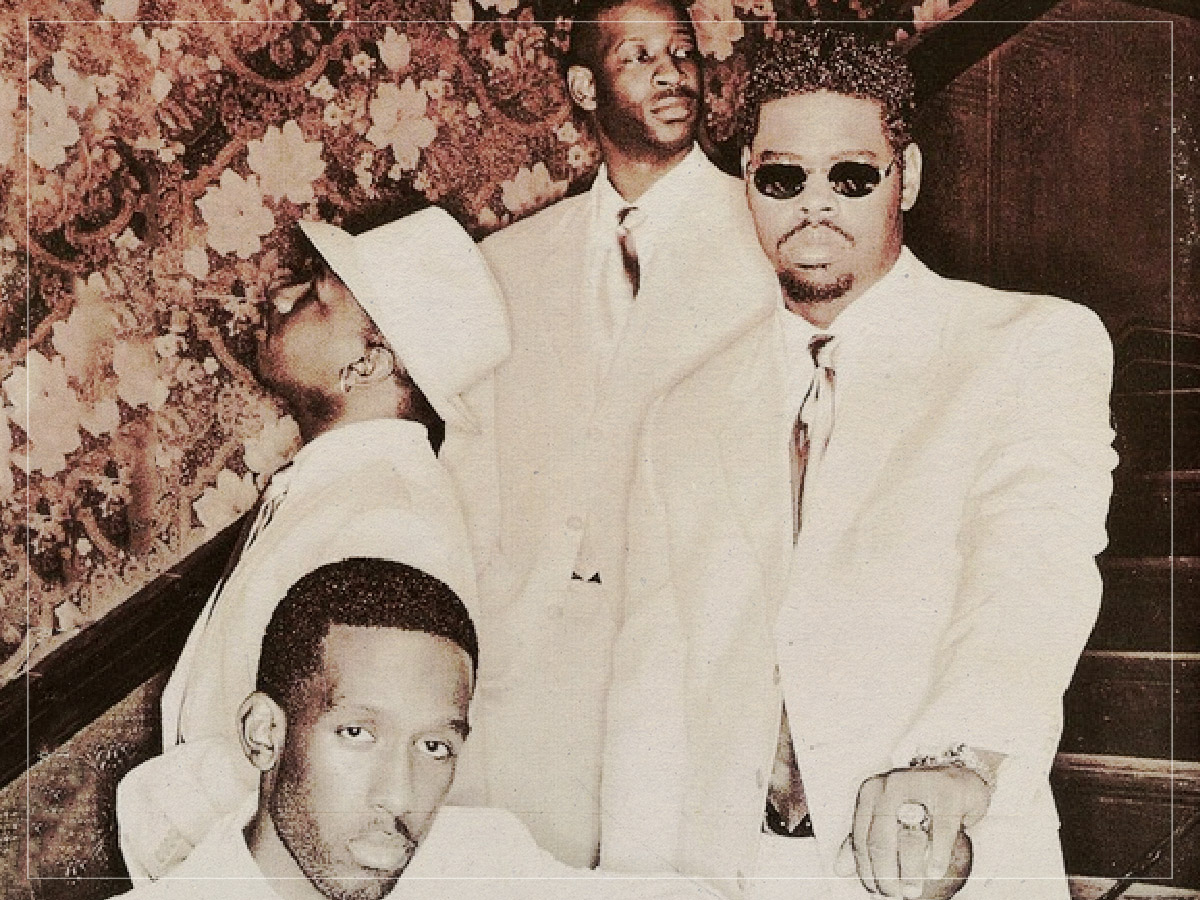
This was a meeting of Motown legends, as the beloved 1990s R&B group enlisted the help of Jimmy Jam and Terry Lewis, who were best known for their work on most of Janet Jackson’s hits. Together, they crafted a sure-fit hit of modern soul that kept the melody relatively constrained and thus allowed for the much-loved voices of Boyz II Men to flourish.
Jam explained how they harnessed the pleading desperation of the boys’ voices to create what became a monster hit. He said, “Our thought was that they sing what we’d like to call ‘begging’ songs really, really well. And when they played us their album and said, ‘We want you guys to add something to this’, we didn’t sense that there were any begging songs on there. And so that’s how we came up with ‘On Bended Knee’.”
‘I Heard It Through The Grapevine’ – Marvin Gaye
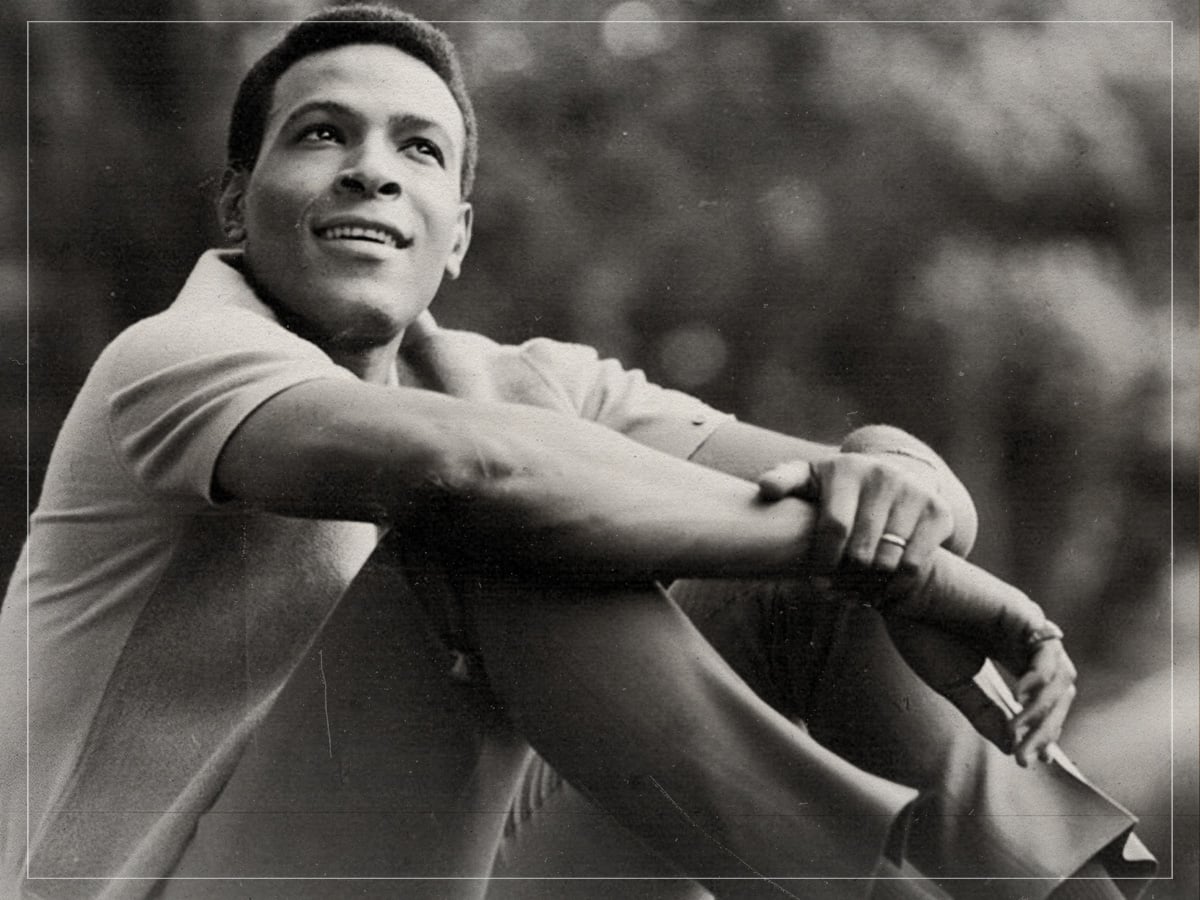
Arguably the finest song on this list, Marvin Gaye’s version of ‘I Heard It Through The Grapevine’ is the sort of song that immediately invokes a desire to shift in your seat, although the song’s journey to notoriety is far from a straightforward one. Originally written by Barrett Strong and Norman Whitfield for The Miracles in 1966, their version was shelved for over two years, paving the way for Gladys Knight and the Pips to try their hand at turning it into a hit.
While that version made it to number two in the US, it was soon usurped by Gaye’s rendition, which went one better than Knight’s take on the track by spending seven weeks at the top of the charts. The passion in Gaye’s delivery is up there as one of the greatest vocal performances of the 20th century, and as a result, the ubiquity of this version has made it synonymous with him rather than with any of the other performers who have taken it on.
‘Endless Love’ – ‘Diana Ross & Lionel Richie’
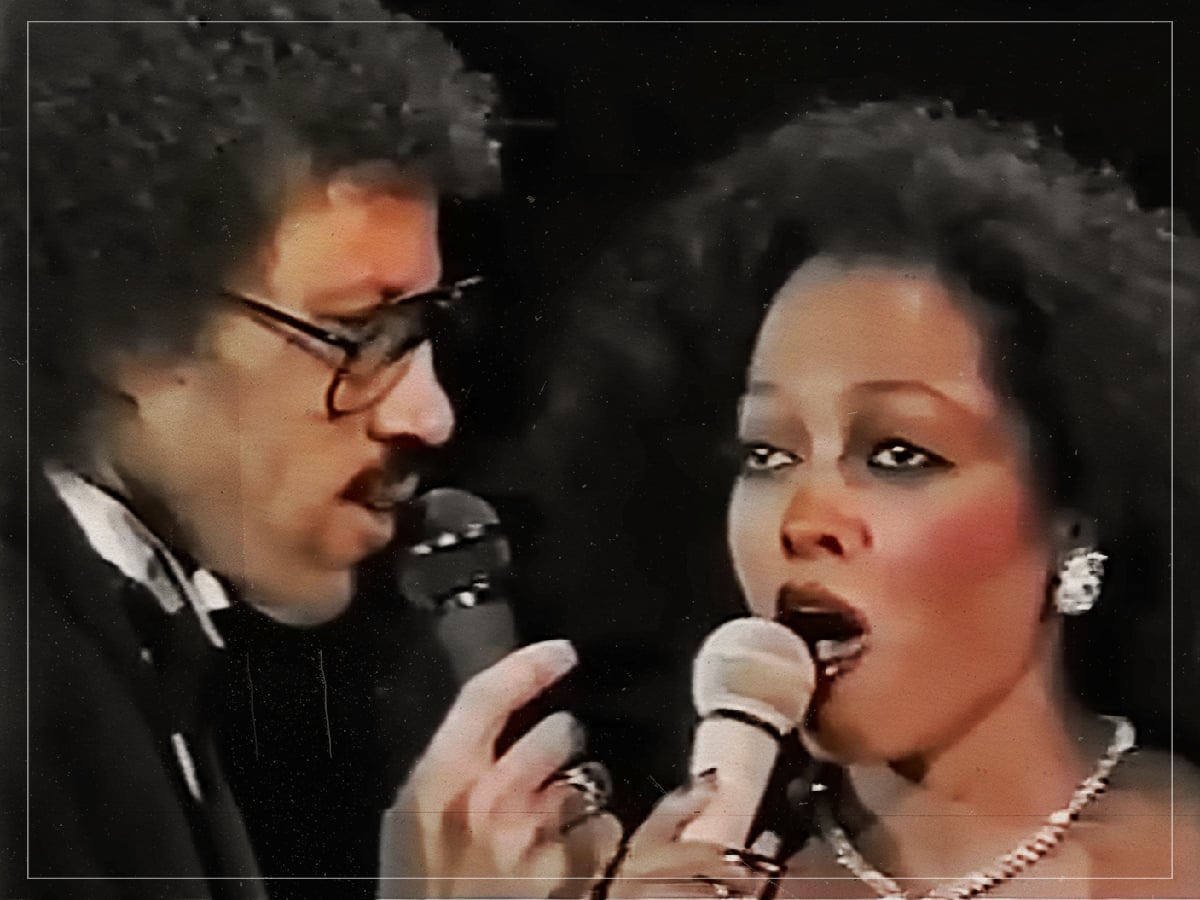
One of the definitive duets of the modern era that saw two Motown icons trade blows right to the very climax of the chorus. While Motown offered so much musical talent, one of its primary strengths was its catalogue of voices that were technically unrivalled, and on ‘Endless Love’, you had two of its most powerful, on one track, seemingly designed to showcase the glittering range of their vocals.
It was undoubtedly dramatic and hyperbolic, with lines like “You’re every breath that I take / You’re every step I make”, but in truth, that was fitting of the drama that existed within the song. Designed for a film soundtrack, it was unashamed in its unbridled romanticism, and the composition celebrated that.
‘End Of The Road’ – Boyz II Men
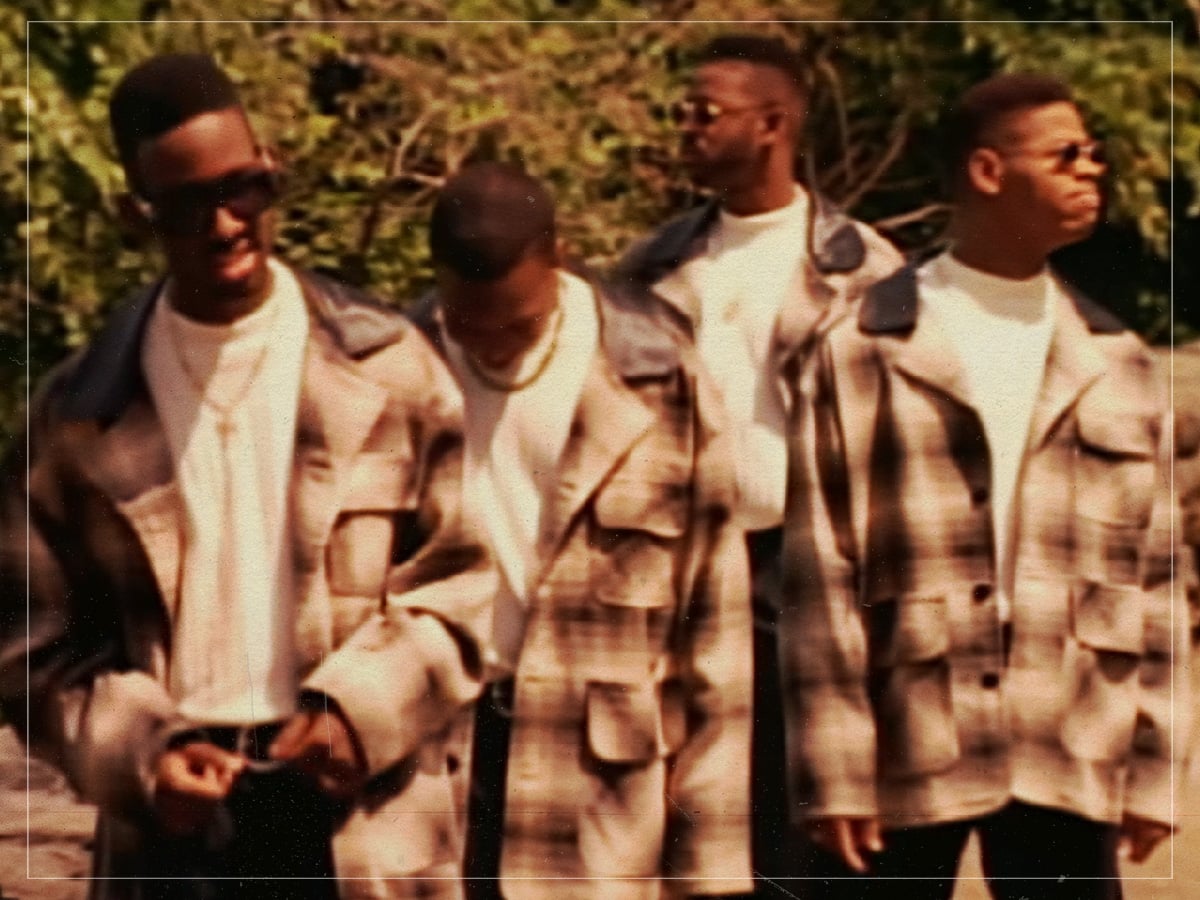
After a spell in the chart wilderness beginning in the mid-1980s, Motown made another brave leap to keep up with the times and started to release contemporary R&B, and their decision to put Boyz II Men at the forefront of this stylistic shift paid off in a significant way. Spending 13 weeks at the top of the chart in the US, the group heralded a new era for Motown with the release of ‘End of the Road’ in 1992, and the slick pop productions of Stock, Aitken and Waterman were no longer reigning supreme.
A heartbreaking ballad, ‘End of the Road’ lives up to its name with its despairing cries that lament a failed relationship and the subsequent plea to fix something that was evidently doomed. Lots of people associate the end of a romance with this listless feeling that everything else around them is coming to an end simultaneously, and Boyz II Men do a stellar job of capturing this catastrophic feeling of collapse so well. It might sound somewhat of its time now, but in 1992, it sounded totally fresh, or maybe everyone was just going through relationship hell.
‘I’ll Make Love To You’ – Boyz II Men
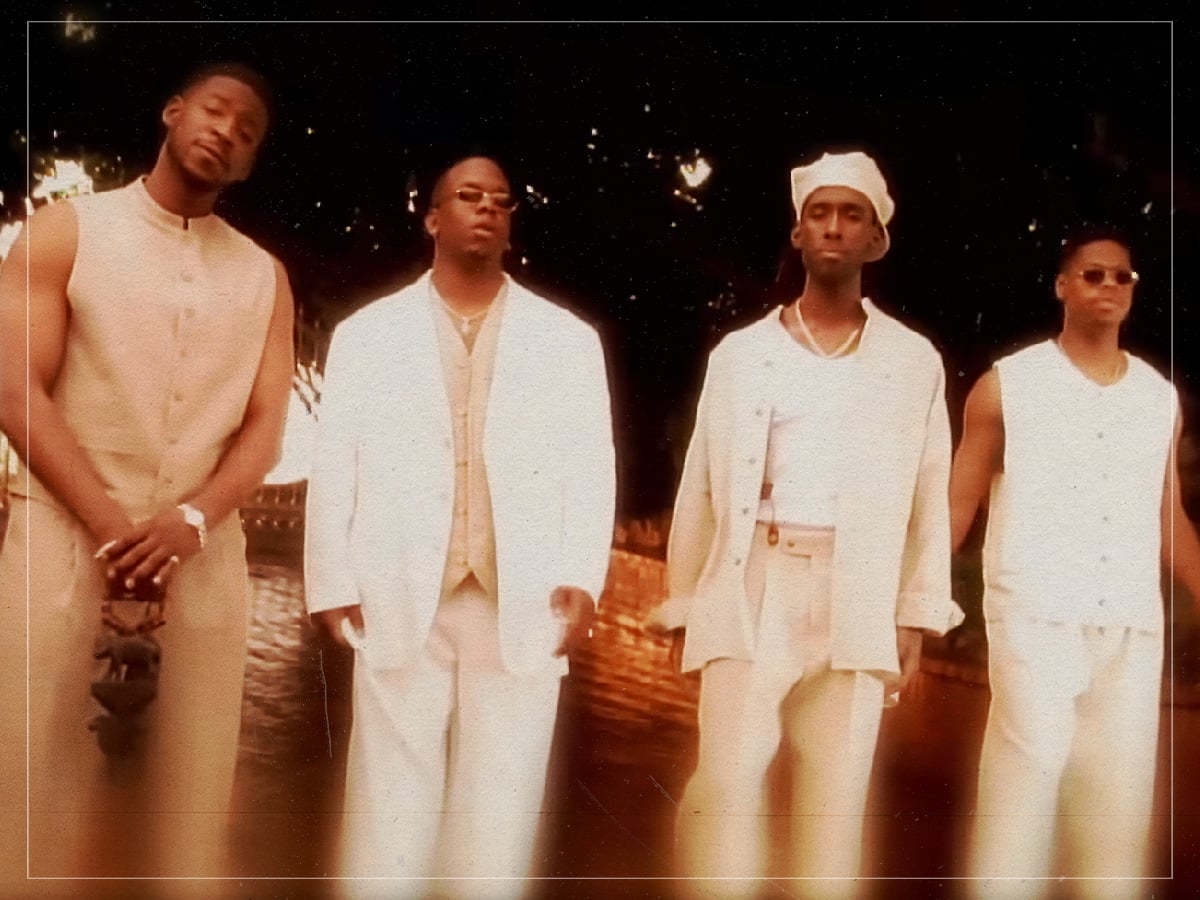
While much of Britain in the 1990s is remembered through the lens of gritty rock and roll, and the cavalier attitude that it championed, there was a slicker counter movement happening across the pond. Burgeoning in the evolved sounds of soul and R&B was a slick vocal harmony group, defining this new era of sonic romance.
Boyz II Men’s ‘I’ll Make Love To You’ is as much of a soundtrack of 1990s music as Liam Gallagher’s snarling vocals on ‘Champagne Supernova’. Because this great era of artistic liberation was two-fold, for every scruffy rockstar was a well-polished pop star, developing the sounds of soul that came before them. This song typified that, acting as the quintessential power ballad, with a chorus tailor-made for mass sing-alongs.
