


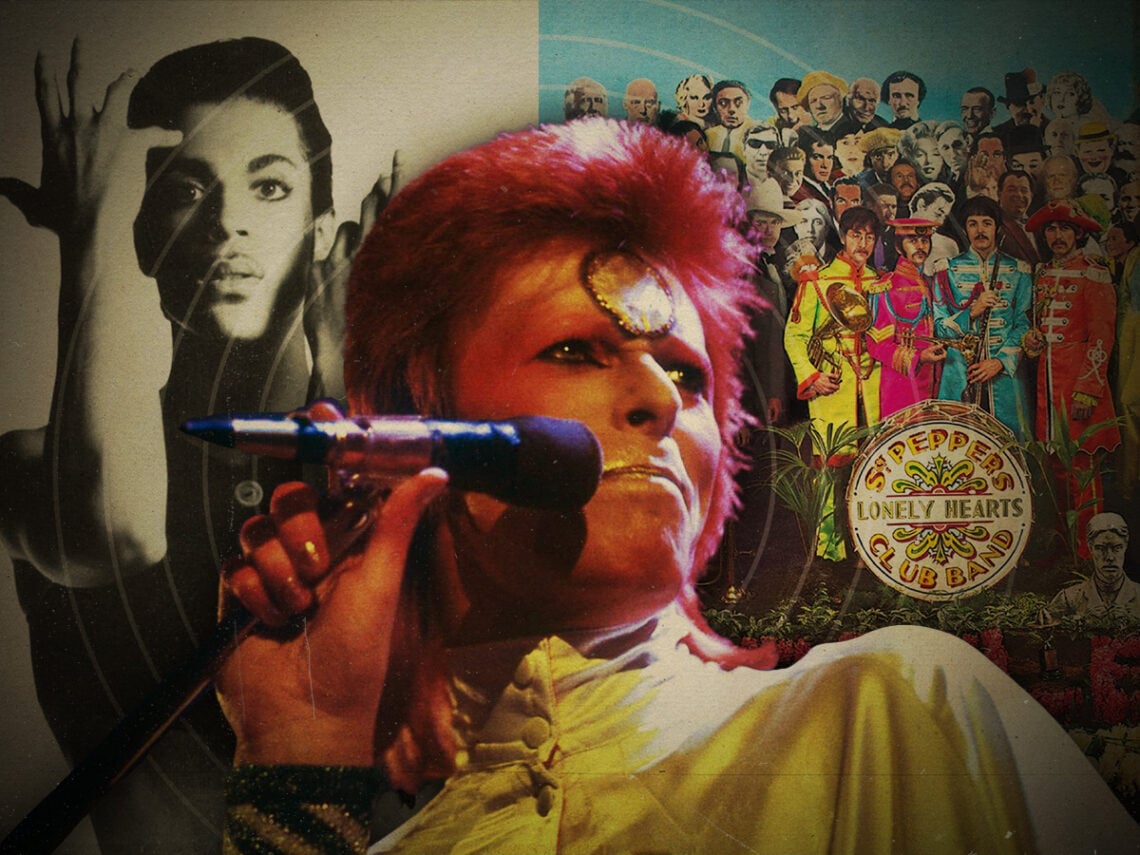
The 10 greatest concept characters in music

Great music is all about connectivity; connecting the audience to the artist through some sense of universal truth, whether it be love, history, or politics, but there’s no one way to achieve that, no one way to strike the heart of a music fan and make them feel inspired by the world around them.
Of course, the simplest way is to write from personal experience and bare your soul to the world. But sometimes, that wears thin; fans see through what can perhaps be performative authenticity and instead need a side entry into the hearts of musicians to understand them through the worlds of someone else.
Concept characters grab us by the shoulders and take us away from the safety of our already established worlds and into the esoteric. Where universal truths are injected with colour and vibrancy, taking on new meaning and providing us with a faraway, objective view of our experiences that become all the more profound. But even without that, they’re deeply entertaining.
These characters can also serve as the tonic to the weariness of the modern world we live in, and through their vibrant minds, we can escape the mundanity and dream of a more colourful world in which they exist as the leaders. They can either be the musicians themselves or the characters in the song, but either way, we love them a whole lot more than the real people.
The 10 greatest musical concept characters:
Lola – The Kinks
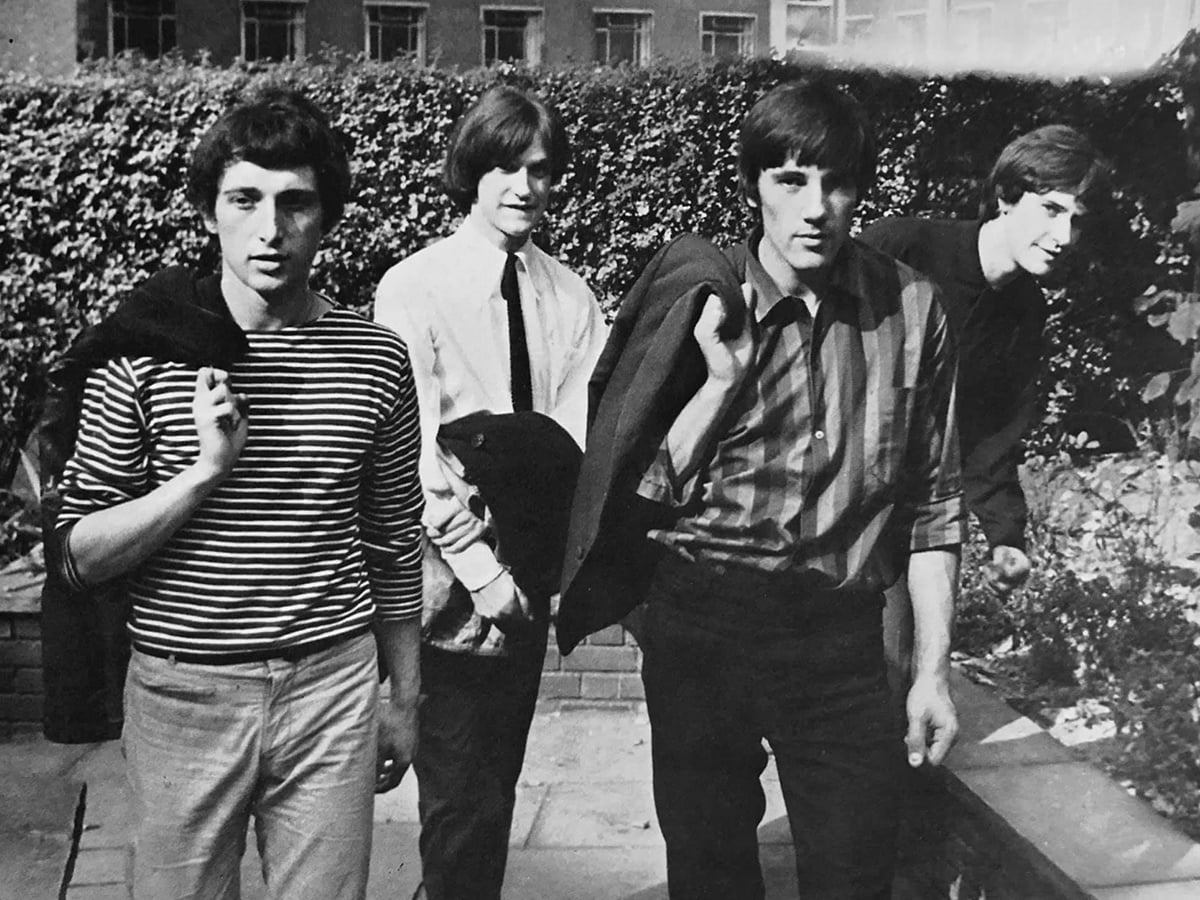
Perhaps the most famous hero of musical fiction, the transgender protagonist of The Kinks’ hit Lola has become a topic of controversy around the subject. On one hand, many label the terminology around the protagonist heavy-handed and antiquated, while others consider it a brazen portrayal of a marginalised community.
Despite its interpretation, it ultimately paved the way for fellow musicians to dig deeper into the subject matter and provide more valuable pieces of storytelling in this regard. Lou Reed, David Bowie and Prince could explore gender fluidity in the wake of its release and prove that the masculine foundations upon which many thought the genre was built on, is rather shaky.
Percy Thrillington – Paul McCartney

At the beginning of the 1970s, Paul McCartney had seen every aspect of fame. He had swiftly realised that the power it afforded was nothing but a fallacy, and what existed behind was crippling claustrophobia. But The Beatles had now broken up, and he had absconded to his farm in Kintyre; anonymity was fingertips away, he just needed one last push.
His seminal album RAM was released during that retreat, and his liberation was delivered. But then he wanted to go one further and release an orchestral version without any continued media foray. So he conjured up the alter ego Percy Thrillington and built an entire promotion campaign around him, with small ads in Private Eye and The Evening Standard, even taking a headshot of an Irish farmer he met on holiday to use as the face of the campaign.
MF DOOM – MF Doom
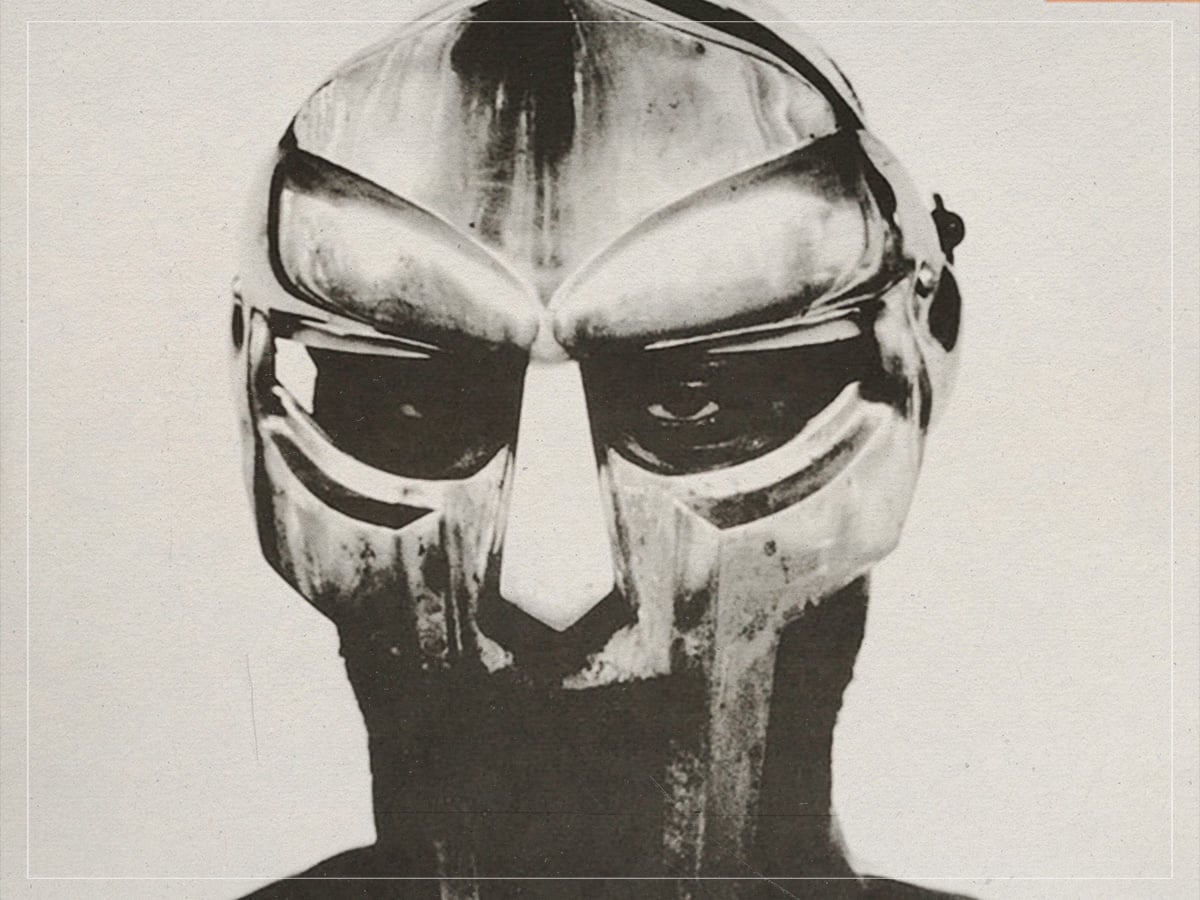
One of the most enigmatic rappers of all time simply wanted to prove that the music comes first. In an era of performative excess, where hip hop artists were forced to cosplay as movie stars, MF Doom wanted to strip it back and take away distractions.
“The DOOM thing is to be able to come at things with a different point of view,” he said, “I decided the mask would just add to the mystique of the character as well as make DOOM stand out. I thought it’d be an easy way for people to see and differentiate between characters, sorta like when an actor gains weight for a role. Throwing on the mask was just a good way to switch it up.”
Pink – Pink Floyd

Pink blurs the lines between a construct and a real person. Unlike others on this list, Pink isn’t an alter-ego, but nor is he a character that exists only in the songs, like Lola or Tommy. He’s somewhere in between, but without Roger Waters actually knowing it, probably an extension of his own ego.
He is the disgruntled victim, oppressed by the regime, who is also the only one wielding the power to overcome it, which is really how Waters viewed himself. There was a perennial chip on his shoulder that could only be remedied by the music, and so through The Wall and Pink, Waters exercised that thought.
Camile – Prince

A common thread you’ll find throughout this list is an alter ego being adopted as an antidote to fame, almost. It’s when an artist’s career is at its very peak that they try and pivot to anonymity and in 1986, that was very much the story for Prince. He was the enigmatic genius of the era who was still so misunderstood by the global audience. At heart, he was fluid, androgynous and wildly innovative, and he had reached a point where the simple title of Prince couldn’t keep up.
So came Camile, Prince’s proud embrace of his androgyny. Prince sped up his vocal tracks and used pitch-shifters to quicken the delivery of this new artist and create something that felt wholly disconnected from his previous endeavours. Sadly, the album was never finished, and the world never got to see Camile liberated from the studio, but maybe it wasn’t ready for such genius.
Gorillaz – Gorillaz
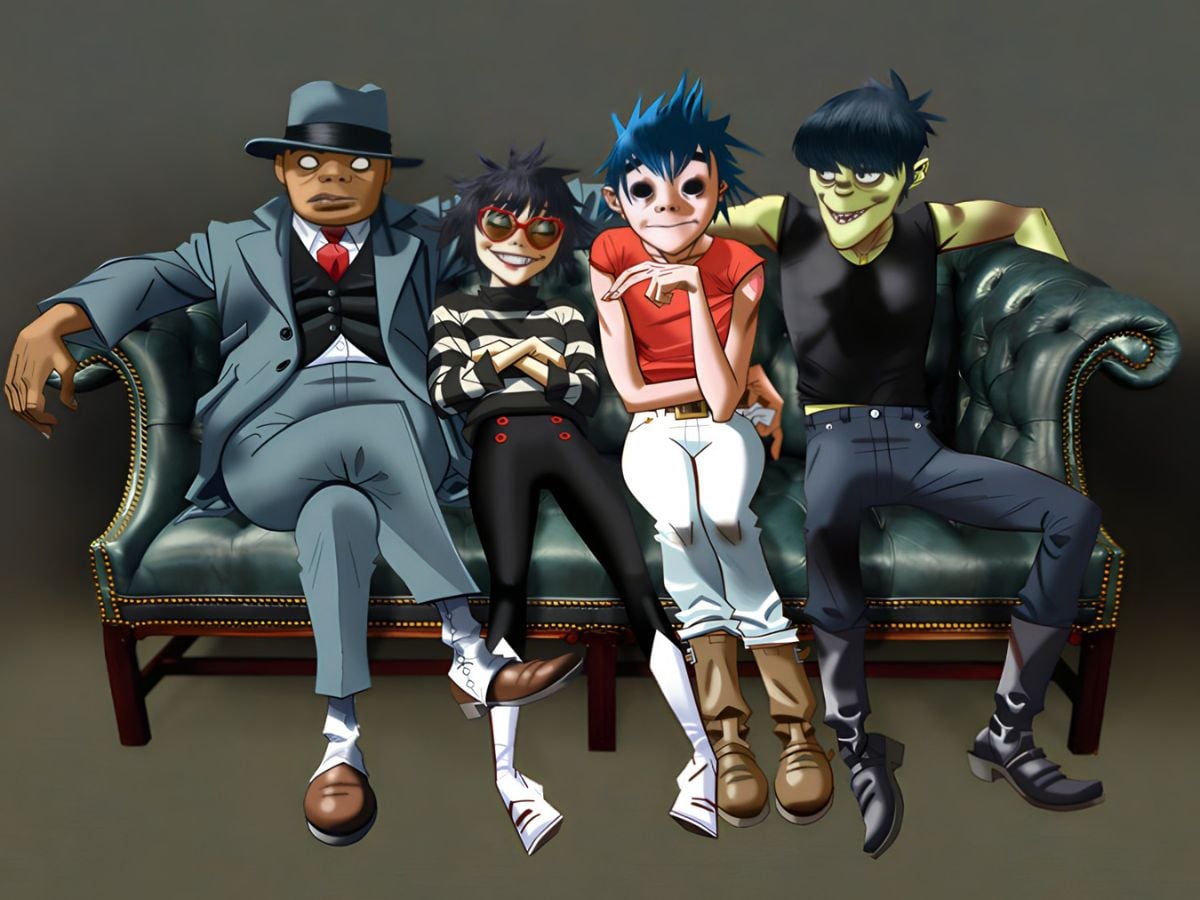
There was no easy way for Damon Albarn to change his career as he intended at the turn of the millennium. For the previous decade, he had been a darling of British indie, spearheading the Britpop movement and keeping the four-chord wonder alive. However, when he wanted to pivot into hip hop and electronica with his reputation, music wouldn’t let him.
So he ditched his reputation altogether and created a new one under the controversy of a digital hologram. Indie fans had a habit of hating all things hip hop, especially when it was repackaged into something as seemingly threatening as Gorillaz and their digital profile. But they didn’t know that behind it was a man who had defined their beloved genre and successfully pivoted his career into multiple creative avenues. It may just have been one of the riskiest yet worthwhile moves of Albarn’s career.
Tommy – The Who

Not all concepts come in the form of alter egos; some live deeply within the songwriting of the bands, and Tommy is the perfect example of that. The interpretation of this character within the brilliant ‘Pinball Wizard’ is the central arc of their groundbreaking rock-opera concept album of the same name.
Music fans can’t help but root for Tommy Walker becoming “deaf, dumb, and blind” after witnessing a traumatic incident, before becoming a celebrated pinball champion. It’s a bizarre and almost tragic story that still proves the off-beat conceptualism of characters sometimes has a more profound knack of striking music fans with unarguable universal truths.
Sgt Pepper – The Beatles

In 1967, The Beatles were at a crossroads; after the overwhelming artistic success of Revolver, they had a choice between doubling down on this new psychedelic voyage or returning to pop stardom, where the conventional view of them as a clean-cut boy band remained. They needed a bold and offbeat statement, which in ‘67 came in the form of Sgt Pepper’s Lonely Hearts Club Band.
Paul McCartney explained, “The whole concept was for us to pretend to be someone else, so that’s why the uniforms. It was just a way to remove ourselves from just being Beatles and not be fed up with being musicians.” They rid themselves of the compounding pressure of stardom and relied on the alter egoism of this new project to break new ground.
Starchild & Doctor Funkenstein – Parliament-Funkadelic
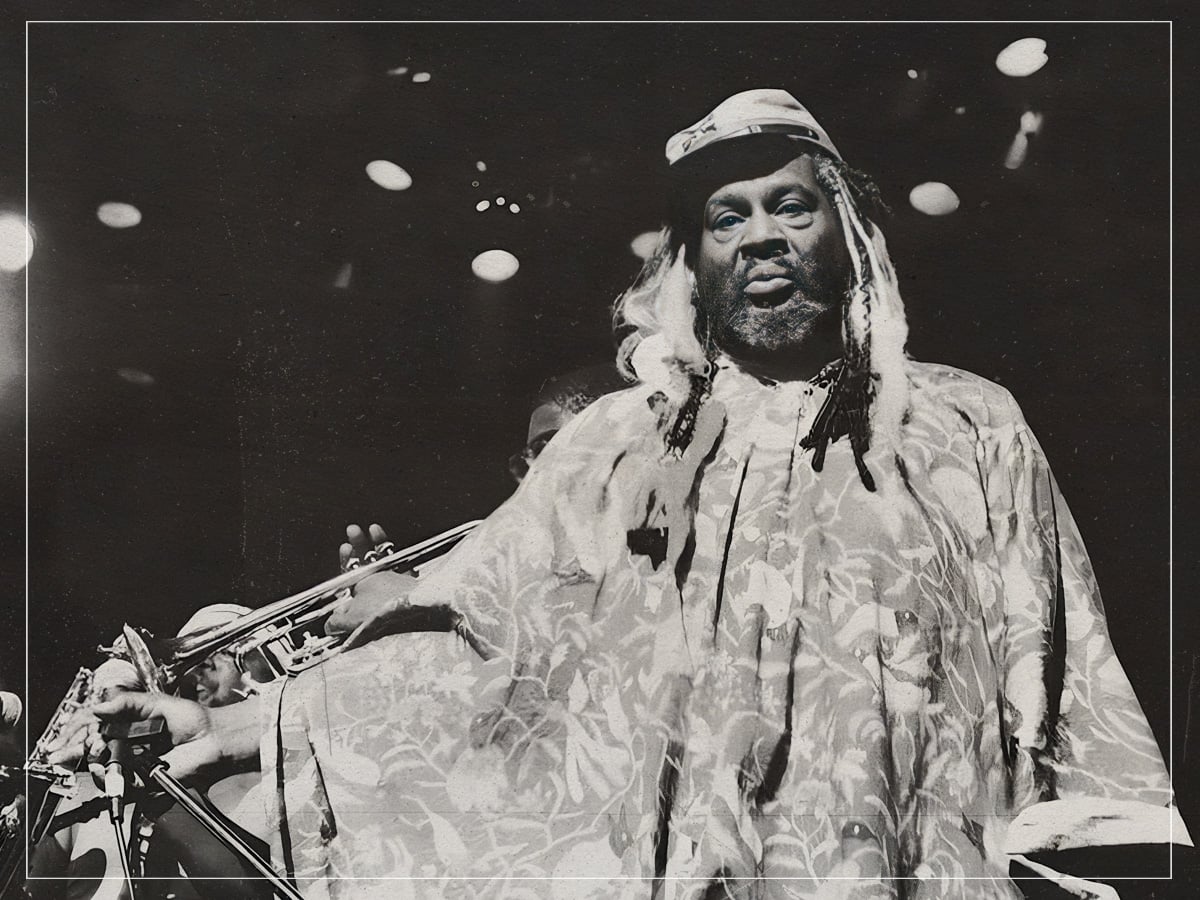
What George Clinton created with Starchild & Doctor Funkenstein expands beyond the simple adoption of a conceptual character. This is lore that his band created, that exists behind the spiralling funk arrangements of their music. In fact, the pair served as the emperor of intergalactic funk and a mad scientist who lives in an underwater pyramid that really served as the ultimate source of funk.
Pretty far out, isn’t it? So was the place that inspired this entire tale. The 1975 album Mothership Connection was where this idea was introduced, and unsurprisingly, it came from their altered mindstates.
“We were in the Bermuda Triangle,” Bootsy Collins recalled, “We were fishing and getting high and the mothership concept came”.
Ziggy Stardust – David Bowie
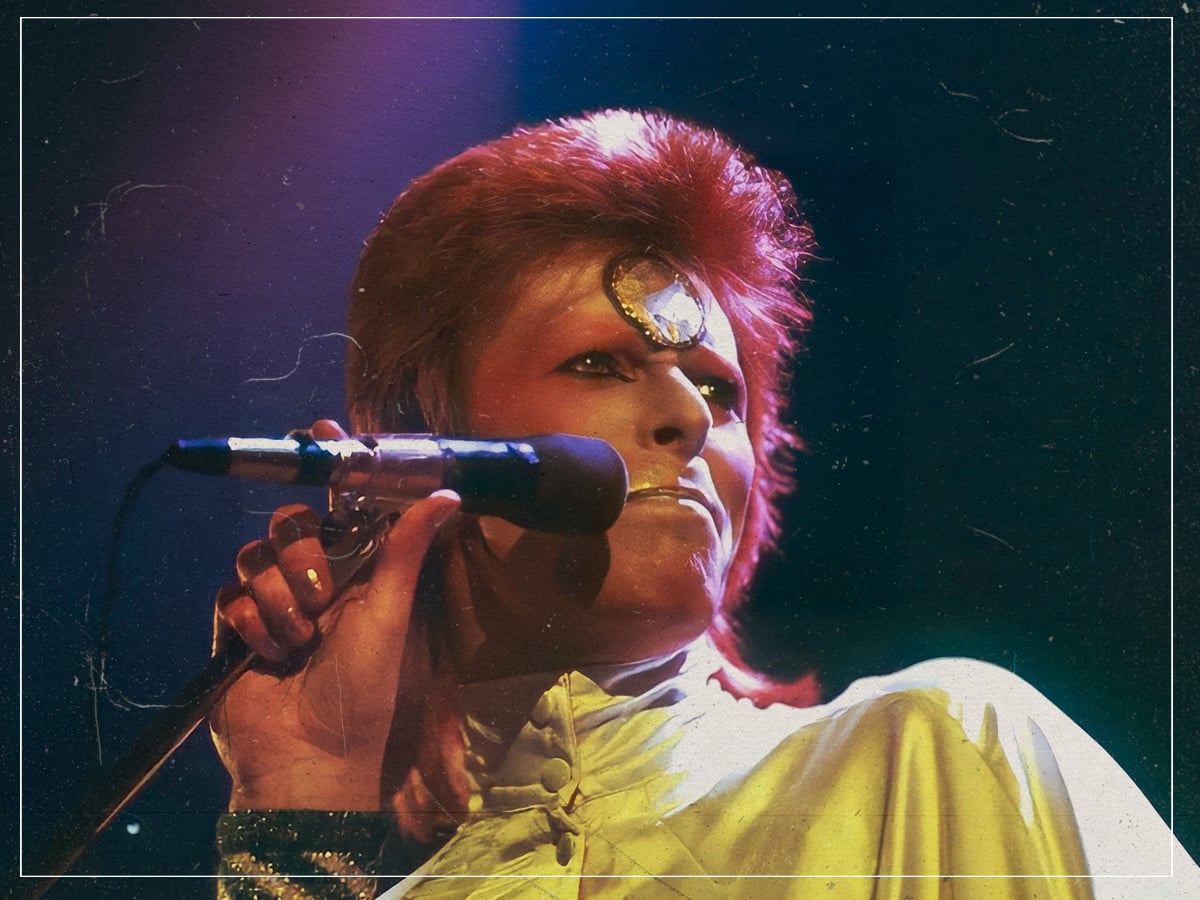
There was no artist in the world more famous than David Bowie in 1972, until he decided to fashion one from his own mind and make him even bigger. Standing as the ultimate example of musical conceptualism, Ziggy Stardust was Bowie’s boldest move in artistic evolution, abandoning the safety of his carefully curated look for a brave new era, led by the glam excess of Ziggy.
“He was half out of sci-fi rock and half out of the Japanese theatre. The clothes were, at that time, simply outrageous and simply… Nobody had seen anything like them before,” he said.
It was a brave testing of the limits that ultimately resulted in his career reaching limitless heights, but in doing so, he never veered too far from home. The songs from The Rise and Fall of Ziggy Stardust and the Spiders from Mars were undoubtedly ambitious, but serves as cautionary and inspirational tales of lives lived here on Earth.

Never Miss A Beat
The Far Out Beatles Newsletter
All the latest stories about The Beatles from the independent voice of culture.
Straight to your inbox.