


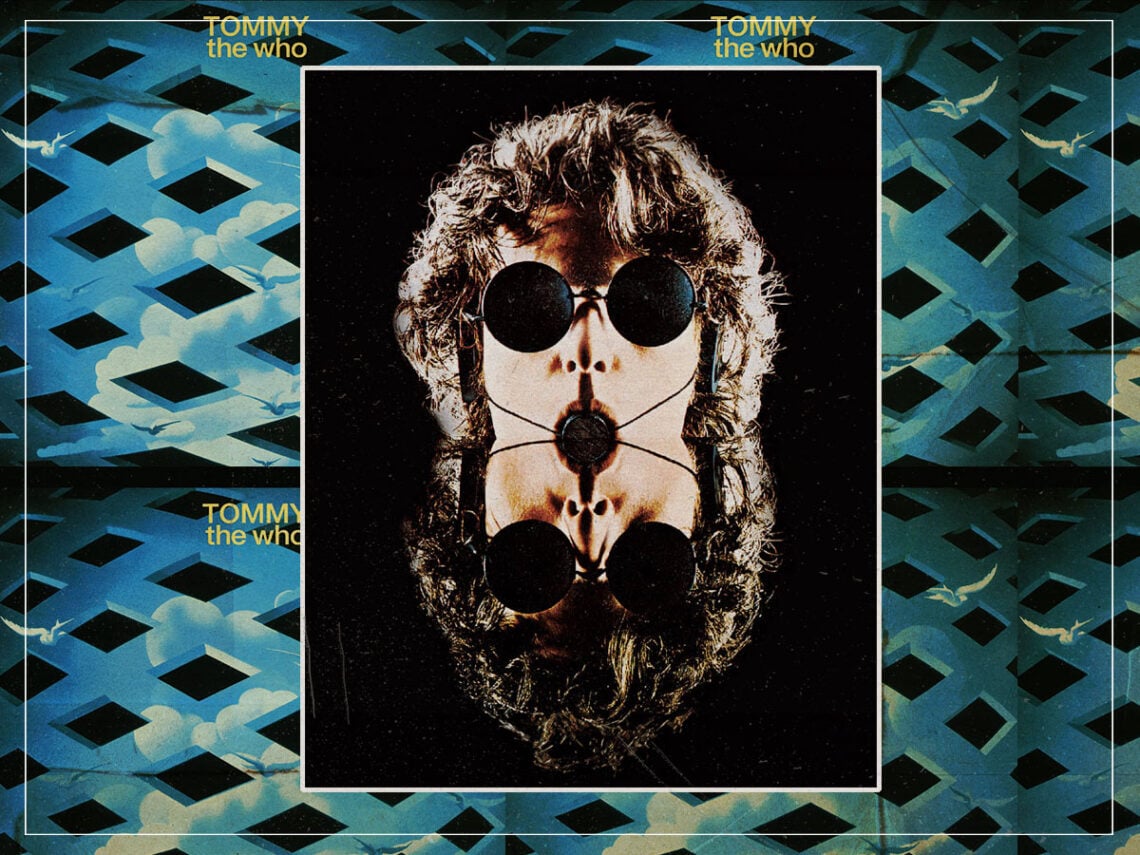
Does The Who’s ‘Tommy’ represent the pinnacle of 1960s music?

Every decade plays a crucial role in the history of music. No matter the period, there are songs or albums that have become pivotal moments in the grand scheme of the art form. Each decade contributes segments that collectively shape the modern music industry. Without these contributions, the bands and artists we know and love, both young and old, wouldn’t exist.
With that in mind, is there a decade in music that you can deem the most important? Yes, but it depends on what genre of music you are referring to. When considering rock music, the 1960s will have been the most pivotal decade, given that it produced some of the greatest rock bands of all time and made ideas famous that are considered the cornerstone of the genre today. These include the likes of screeching vocals, solid guitar work, flamboyance on stage and the art of the album.
You no doubt have opinions on who did what better. The best album? Sgt Pepper’s Lonely Hearts Club Band could be a contender. The best guitarist? Jimi Hendrix, surely. The best screeching vocals? Nobody does it better than Robert Plant. But what is the best example of a piece of music that combines all of these elements most exceptionally? There is only one album for it.
Tommy, The Who’s fourth studio record, sent shockwaves through the musical world when it was released in 1969. The decade was exciting for the LP, as the medium truly emerged as an art form. While great albums existed before, they were often just collections of songs for fans. In the ’60s, thanks to The Beatles and other artists who focused on specific sounds and themes throughout an album, the LP began to be appreciated as a fine art.
With this new attitude towards the album came the term “concept album”. It originated in the ‘60s and was used by music journalists to categorise records with a specific narrative or theme that connected all of the songs. Given that this connection became popular in the ‘60s, the term “concept album” was broadly defined, and it became hard to work out what was what. Then, when The Who released Tommy, they clarified the parameters.
The album has an engaging and compelling story that runs through it. The title character, Tommy, is the main focal point, and throughout the record, we stay with him on his path to becoming a spiritual leader and messianic figure. It is such a good anecdote that it hasn’t stayed within the confines of the album, as multiple stage productions of the record have been put together since its release.
It’s not just the story that sets this album apart, though. Because of the narrative entwined with the different people discussed on the album and the range of emotions laced throughout, Roger Daltrey is given the chance to use his vocal range to deliver one of the most varied and exciting performances on an LP. From sad to happy to energetic, he shows everyone why he is one of the greatest rock vocalists on Tommy.
Pete Townshend also shows off his guitar-playing skills on Tommy. With memorable riffs and rhythm sections on famous tracks like ‘Pinball Wizard’ as well as shredding solos throughout, he proves himself to be one of the best guitarists and songwriters of the decade. During a time when the album was finding its feet as a sacred part of music, The Who stepped up and showed people just how much could be achieved by including a connection throughout a record. Steve Van Zandt once talked about some of his favourite albums of all time and referred to Tommy, saying, “The Who’s Tommy is the highest pinnacle of the art form,” an opinion shared by many music lovers.
The last piece of the puzzle cementing The Who’s Tommy as one of the greatest musical moments of the ‘60s was how they could bring the album alive on stage. They could take the confines of the story, break them open, and put them in front of audiences at large. Daltrey, Keith Moon, and Townshend left absolutely everything on stage when they performed, so they stopped doing encores as they never had the energy for them.
“Our encores were always shitty,” he said, “If you ever got an encore, you regretted asking for it… We gave it all out in the show. If you give a good show out, you’ve got nothing left for a good encore and pretentious crap about, oh, we go off now, so we can come back. What a load of bollocks.”
With Tommy, The Who packaged every major musical milestone from the ‘60s into an exceptional piece of work. It remains the decade’s peak and is still referred to today as an example of musical excellence.
