


The 10 best Jeff Buckley songs

Despite only being able to release one studio album before his sudden passing at the age of 30, Jeff Buckley’s discography stands as one of the most evocative displays of songwriting and sonic craft.
Buckley wrote with intensity, guiding his pen with a candour that presented an intricate person using songwriting to expel what endured within: a hopeless romanticism, a grieving son, a deeply empathetic soul.
To narrow down Buckley’s discography to just ten of his ‘best’ songs feels too precious a feat, and yet this list, at the very least, attempts to compile his most personal stories.
These songs display some of his most moving performances and reflect the spectrum across which his songwriting travelled, spanning from intimate moments to universal truths.
Jeff Buckley’s 10 greatest songs:
‘Last Goodbye’
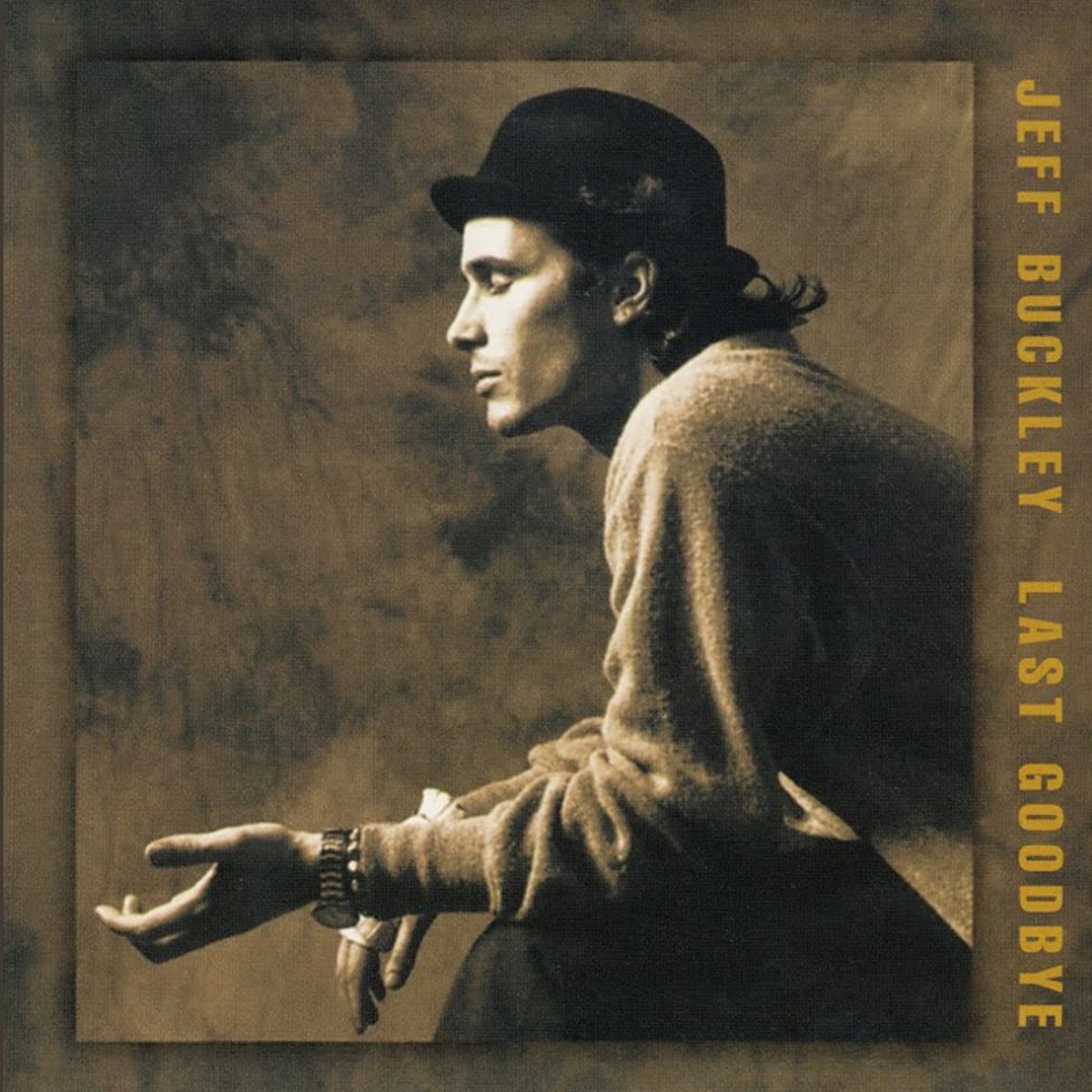
Leave it to Buckley to retain the passion in a love that has since disappeared.
On ‘Last Goodbye,’ Buckley immortalises what once was, looking back on a relationship that he refuses to believe is truly over, even if he knows that it is the best decision. Every moment of acceptance is countered with pleas for reconciliation: “Kiss me out of desire, babe, and not consolation,” he asks in the chorus, and every promise of it being the “last” fades into uncertainty.
He remains all too self-aware, noting that he’ll only provoke tears if taken back, while considering that there is a voice lingering in the back of his lover’s mind, warning against him. But, as he sings of hearing church bells that are “burning clues into this heart of mine”, he is left only to linger on memories, ending with the finality of “It’s over”.
‘Vancouver’
Appearing on Buckley’s posthumous 1998 compilation, Sketches for My Sweetheart the Drunk, ‘Vancouver’ (believed to be named simply for the city in which it was first conceived) hears him reflect on a union gone sour, as the song drips with an equal sadness and soft rage.
There is romance (“I could kiss you, lines of escape in my mouth”) contrasted with scorn (“I am your failed husband contender,” he spits, “I’m your loan shark of bliss”), but even in the latter, there is a glimpse of yearning for the “bondage” he was once entangled in.
His harmonies on ‘Vancouver’ are some of his most stunning, and the medley of instruments sounds most familiar to the languid alternative hum of the 1990s, mirroring the quiet contemplation of Buckley’s that consumes the song.
‘Mojo Pin’
Listening to Buckley’s sole album, Grace, for the first time means being greeted by Buckley’s opening melodies on ‘Mojo Pin,’ as remarkable as they are melancholy.
Buckley later explained that “mojo pin” was a euphemism for shooting heroin, inspired by a dream that he had, but a subsequent empathy remains at the core of the song’s strength. In its story, love weighs against addiction, and obsessions become consumptive.
Buckley considers the weight that such fixations can bear, and how quickly promises of devotion can become dangerous through rose-coloured lenses. “Drop down we two to serve and pray for love,” he sings, as such love translates to religious intensity. Buckley often sang of devotion, but in the darkness of ‘Mojo Pin’, he exposes the fear that exists within such a sentiment, and the haunting images that stayed in his mind.
‘Lover, You Should’ve Come Over’
A list of Buckley’s best songs simply would not be complete without the sensation of ‘Lover, You Should’ve Come Over.’ From the song’s opening harmonium passage, it pulls at a heartstring that indicates an unwind of emotional turmoil.
In this song, Buckley is vulnerable and exposed, singing in the aftermath of his relationship’s end. Watching a funeral procession, he laments the naivety of his youth while frustrated at his older age’s sense of inherent responsibility, now “too old to just break free and run”.
He admits the wrong that he has inflicted upon his lover as he sings some of the most poetic lines he ever wrote, and each note is filled with a remorse that builds to his now-legendary cries of, “It’s never over”. As Buckley remains known for his ceaseless yearning documented in his lyrics, he offers his lover everything that he has: his kingdom, his riches, all of his blood. Painfully romantic, Buckley’s very being, in all of its complexity, courses through the song.
‘Morning Theft’
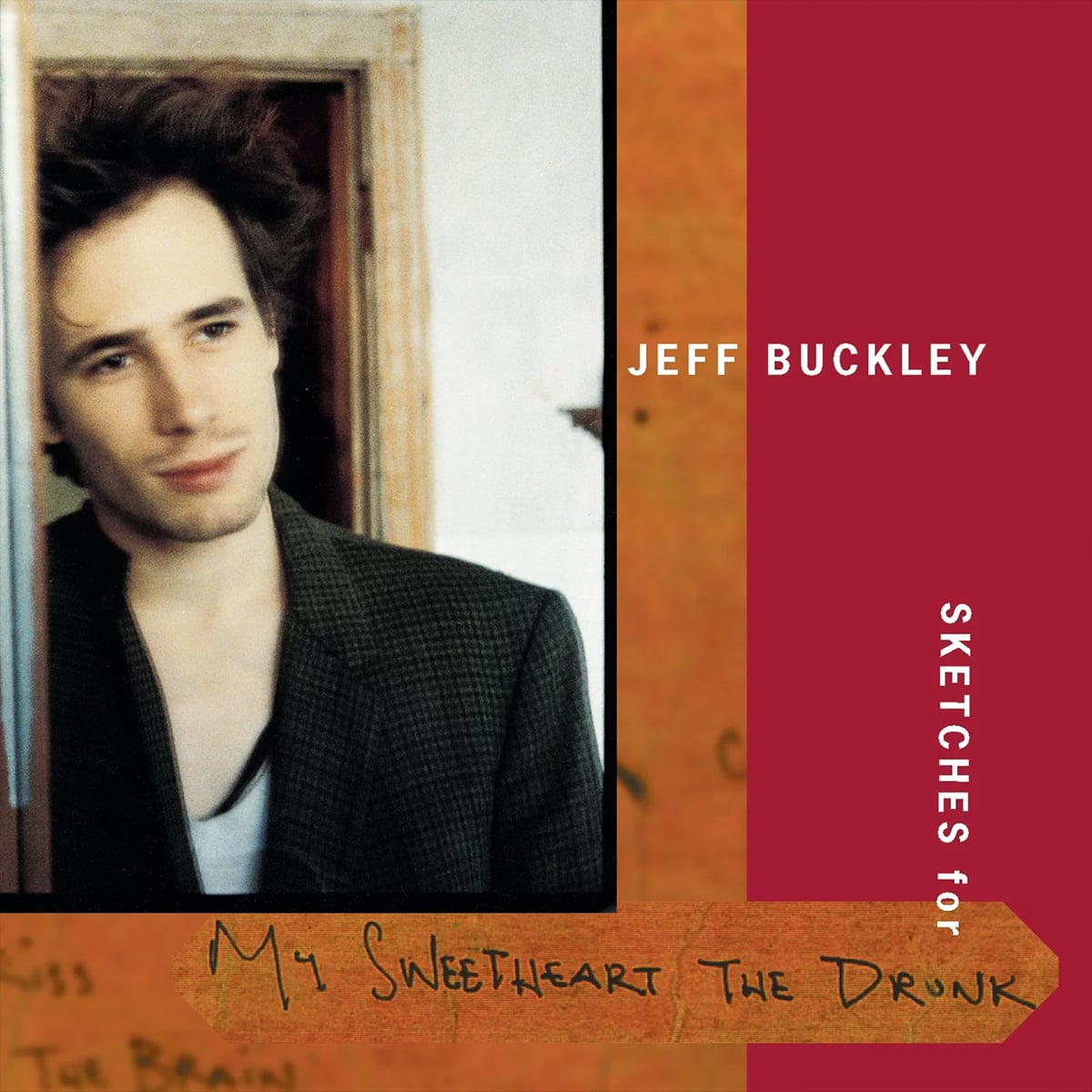
Led by the quiet hum of a guitar, ‘Morning Theft’ is one of Buckley’s most intimate songs. In it, he tells of an imperfect love, one anchored by the image of, “I had to send it away, to bring us back again”.
The love may be ill-fated, destined to find an eventual end, but for the time being, if he can send away all distractions and hindrances, he will, in order to return to the bliss that rests in the relationship’s core.
“What am I still to you?” Buckley poses, as confusion weaves into their shared story. His voice soars to unfathomable heights as he offers any compromise that will allow him and his partner to restore what they once had, though he sounds as though he sings with the knowledge that such is impossible. “I miss my beautiful friend,” he concludes, sung with an anguish that is almost tangible.
‘Grace’
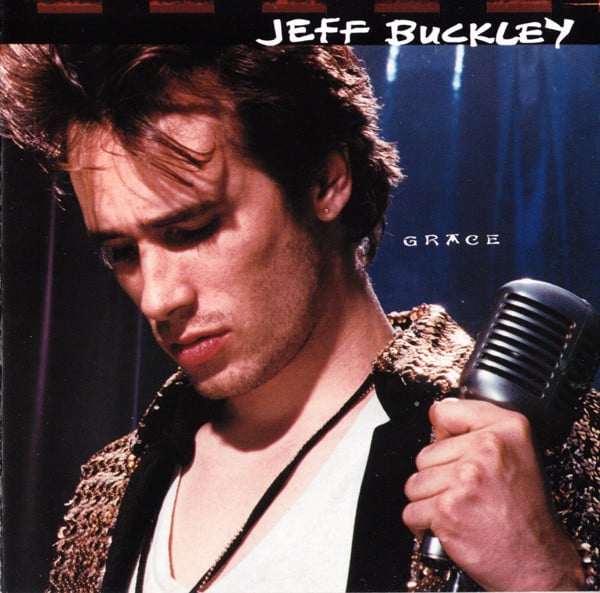
For its opening riff alone, ‘Grace’ deserves its place among Buckley’s greatest compositions. The song is defined by his unforgettable, tragic declaration: “Oh, it’s my time coming, I’m not afraid / Afraid to die,” he sings, “My fading voice sings of love”.
As the orchestrations quietly swell in the background, we’re swept under Buckley’s mournful spell, but he parses through to find beauty in the sadness, and towards the end of the song, his voice grows into one of his signature, sprawling wails, as chaotic as they are gorgeous.
One of Buckley’s greatest qualities as a songwriter was his ability to channel each song with a personal sensitivity, while still retaining a sense of mystery, making him wholly relatable and unlike any other. His words reverberate as though he were singing to you, personally, understanding every ounce of pain you’ve once felt, and with ‘Grace’, love perseveres beyond all, even death.
‘Nightmares By the Sea’
Mystery and impending danger course through ‘Nightmares By the Sea’, a song from Sketches that points towards a new sonic energy that Buckley was headed towards. Opening with a riff that crawls and haunts the melody, Buckley sings of a supposed love gone awry, of being young and in love, blind to the nightmare unfolding in front of you.
He sings of past loves since drowned, resting in coral graves in the sea. “Stay with me under these waves tonight,” he pleads, “Be free for once in your life tonight”, and one can’t help but compare Buckley’s tale to that of Edgar Allan Poe’s ‘Annabel Lee’, both sharing the gothic beauty of being lost at sea, lovesick fantasies and unavoidable tragedy.
‘Dream Brother’
Another poignant tale from Grace, ‘Dream Brother’ ranks among Buckley’s most tragic songs, written for a friend, an expectant father, who was considering running from his family, warning of the repercussions the decision would bear.
Buckley had also suffered the same sense of loss from his father, Tim Buckley, from whom he’d been estranged and barely got to know, until before Tim’s death. “Don’t be like the one who made me so old / Don’t be like the one who left behind his name,” Buckley warned, “‘Cause they’re waiting for you, like I waited for mine / And nobody ever came”.
As a songwriter, Buckley remained confessional, even while weaving metaphor to mask the personal nature of his lyrics, but ‘Dream Brother’ remains staggeringly honest, with his voice tinged with the pain of a son abandoned, and we hear the notes of lingering anger and sadness that had yet to heal.
‘So Real’

As Buckley’s personal favourite on Grace, ‘So Real’ was the song that he fought to ensure would keep its place on his debut album. He’d written it towards the end of the recording sessions, and it became the bow that tied the lovestruck tragedy of Grace together, with the story following a near-obsessive love, as many of Buckley’s songs do, but balanced with apprehension, both willing and hesitant to be consumed.
Every whine of “Oh, that was so real” elevates the yearning, and as the refined guitars grow from a steady waltz to a raucous, unravelled fervour, the chaos that lingers within his mind becomes clearer, even though his wails grow louder, as do the amplifiers, and we are dragged into his heart’s spiral.
‘So Real’ is one of Buckley’s most unrestrained performances, in the most thrilling of ways, and the love that he had for the song’s vision from its beginning remains its centre.
‘Dream of You and I’
As its name suggests, ‘Dream of You and I’ came to Buckley while he was asleep, dreaming of himself in a college auditorium, standing among a crowd singing two simple lines: “You and I / All for you”. All the while, as he is extracting the dream from his memory, he plays his acoustic guitar, a simple melody that weaves across the story.
This extended version was released on 2016’s You and I compilation, one of his earliest recordings for Columbia Records. It may seem unusual to name a song that is, essentially, only composed of two lines as Buckley’s best, and indeed, all of his lyrics can rival the six key words of ‘Dream of You and I’, but there is something in this specific rendition that we are gifted with that elevates it beyond comparison.
The way that Buckley sings it, unpolished and intimate in nature, and the way that he sounds in the recording, we can picture him standing in the studio, guitar in hand, waxing on about where this story manifested from, making it linger in your mind. In short, this version feels deeply personal, and a privilege to listen to. Both in spite of, and due to, its simplicity, it becomes one of Buckley’s best.
