


Thames Town: The British town of Shanghai, China

Britain has had a relationship with China since the 1700s, and this lopsided relationship later became part of the country’s ‘century of humiliation’.
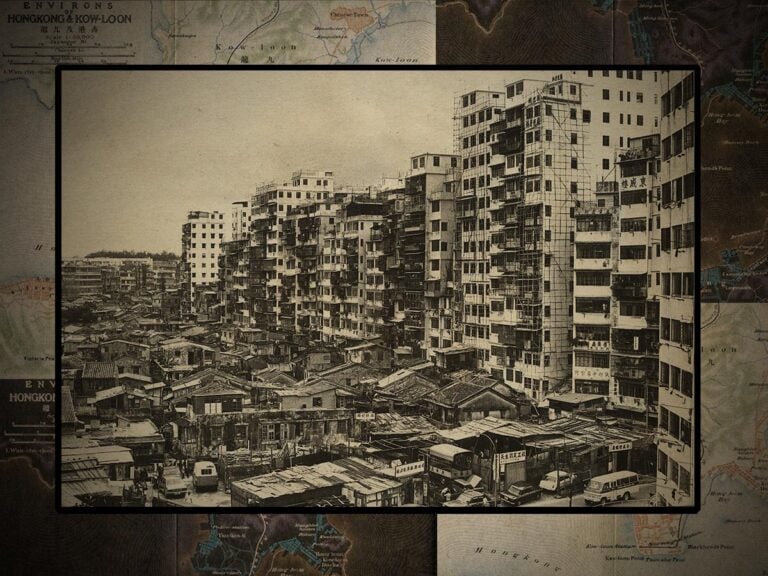
Merchants had traded there for over a century before the first major shift, which saw Hong Kong being ceded to the British in 1842, following the first Opium War. A year later, Shanghai was opened as a ‘treaty port’, and in 1845, the British concession was established, leading to a small area in the city that operated under British, not Chinese law.
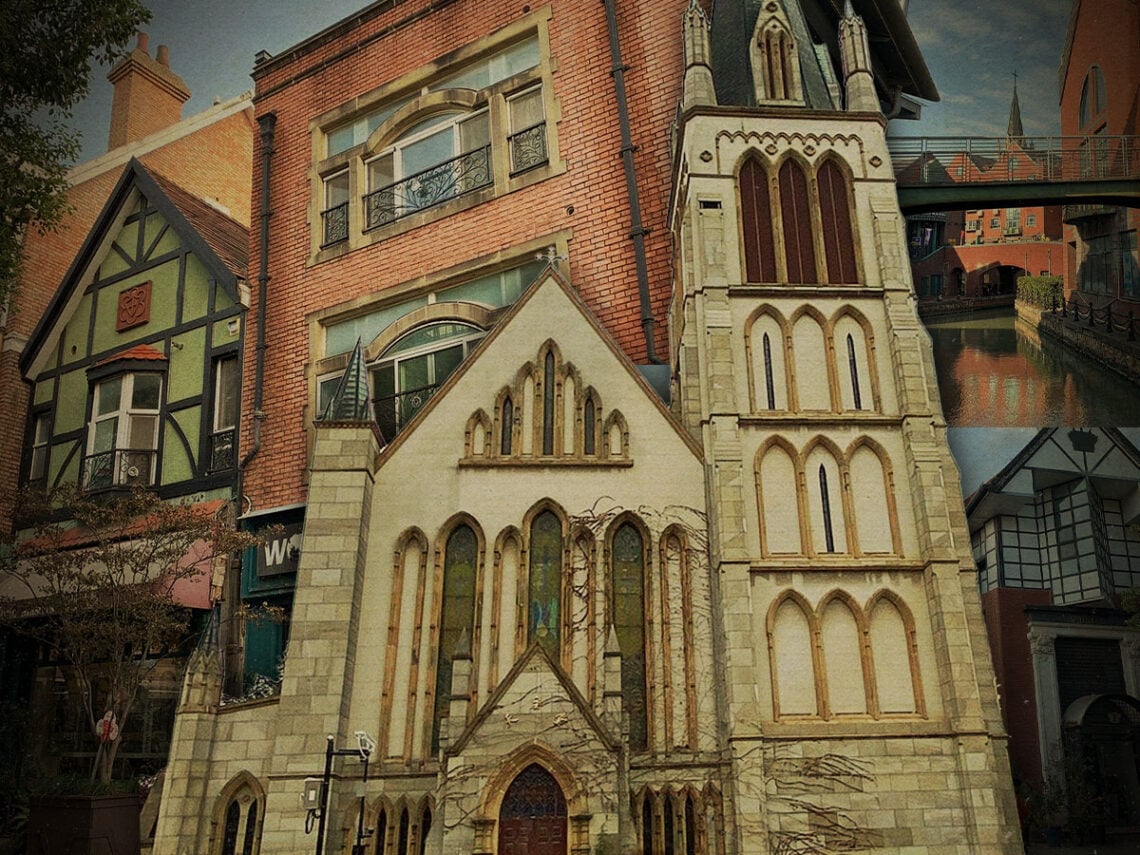
China eventually got its land back, but curiously, now in Shanghai, there is another little piece of Britain, a small British-style town on the outskirts of the city, named Thames. With its cobbled streets, red telephone boxes, Tudor buildings and gothic church, you’d be forgiven for thinking you were somewhere in the home counties, but no, you’re experiencing a curious place that tells us a lot about urban planning and speculative real estate in modern China.
The story started back in 2001 when Shanghai launched an initiative called One City, Nine Towns. With the city being overcrowded, the government wanted to build new suburban areas, further out of the city, in order to draw in residents.
Thames Town was one of nine planned towns, all with their own unique international theme, such as German, Italian and Scandinavian-style towns. Sitting within Songjiang New City, around 30 to 40km outside of the centre of Shanghai, but with great travel links through metro line nine. By putting it near the Songjiang University Town, it would see the district be able to bring in both students as residents, as well as businesses looking to serve them.
It was originally hoped that Thames Town would house 10,000 people, creating its own satellite community and helping alleviate the pressure on central Shanghai real estate. However, things didn’t go to plan. Affluent buyers purchased properties in Thames Town, but these weren’t used for people to live in but were instead investment vehicles or second homes. This meant that the buildings themselves weren’t filled, which had known effects on shops and restaurants in the new development. Without customers, these businesses couldn’t survive and ultimately failed.
With the streets often empty and the planned communities never materialising, it meant that Thames Town became a ghost town, maligned and desolate. What was left was a British-looking town, but one that didn’t have the jobs, residents or businesses to ever feel alive. However, in many ways, that didn’t matter, and Thames Town began its second life as a tourist and photography spot.


The British-style design is what made it so attractive to tourists, with the cobblestone streets and town squares mimicking those in Blighty, and the buildings copying Tudor, Victorian and Georgian architecture. It’s even said that the gothic design of the church was heavily influenced by a church in Bristol. For a young Chinese population, this gave them a chance to visit Britain without needing to board a plane. Given that it’s only a short train ride from central Shanghai, it means that many visited Thames Town in order to take photos, with a thriving trade in wedding photography growing too.
Now Thames Town stands as both an oddity and a lesson in China’s rapid urbanisation. The country has developed an incredible knack for building new towns and cities at breakneck speed, but in Thames Town’s case, it was too quick, and it became an investment opportunity, rather than serving its original purpose of being a new community. It might be possible to build a town, even a uniquely British-looking one, but it’s not possible to build community artificially.
