


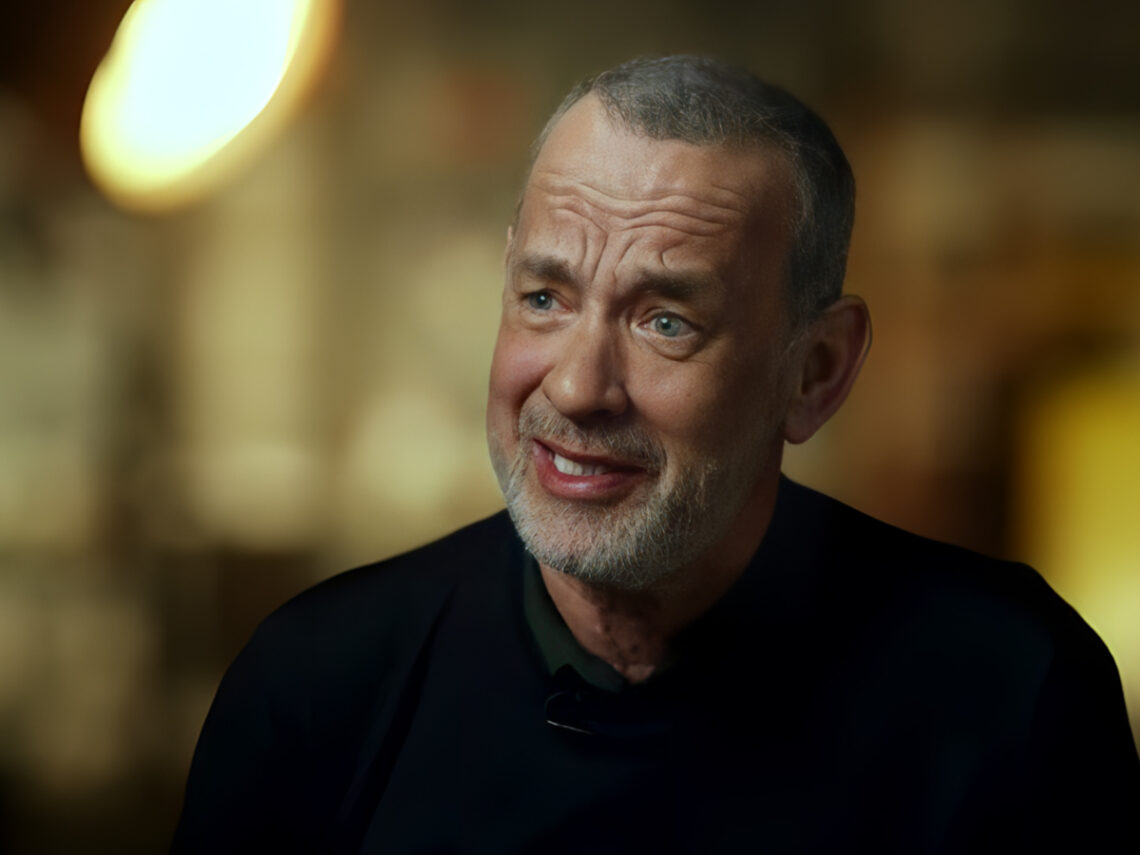
The terrible movie that made Tom Hanks question his career: “I did everything I could”

In the late 1980s, Tom Hanks was one of the fastest-rising stars in Hollywood. In 1988 and ’89 alone, he charmed audiences in three hit movies: Big, The ‘Burbs, and Turner & Hooch. Then he attempted to slightly subvert his nice guy image by signing up for an adaptation of a satirical 1987 novel that skewered the greed and ambition of Reagan-era Wall Street bankers and lawyers. The material seemed like a bad fit for someone like Hanks, though, and this proved to be the case, as the movie was critically eviscerated and died at the box office. In fact, its failure even made Hanks question his career.
In truth, it’s easy to see why Hanks wanted to play bond trader Sherman McCoy in The Bonfire of the Vanities. No actor wants to go through their entire career playing one kind of character. So, the idea of an actor synonymous with nice guys playing an unlikeable, morally bankrupt character would have sounded appealing. After all, Hanks has always been uncomfortable with that image because he sees it as inherently limiting. He once told the Los Angeles Times, “‘Likable’ can be a terrible burden to put on someone. It ends up permeating everything you try to do.”
His nice guy reputation meant that Hanks thought Scarface director Brian De Palma was pranking him when he first called about playing McCoy. Maybe it would have been better if the director hadn’t been serious, though, because Hanks ultimately couldn’t successfully weaponise the sweet, charming nature that comes so easily to him on-screen by subverting it with something darker.
Heartbreakingly for the star, his performance in Bonfires was criticised for being entirely surface level, with none of the extra layers someone like Christian Bale would later find in American Psycho’s Patrick Bateman. To his credit, Hanks was fully aware that he’d been miscast in the role, even though he gave it everything he had. In 1992, he lamented, “I did everything I could to make it work.” Nearly 30 years later, he added, “Everybody was miscast, me particularly.”
To Hanks, part of the problem with De Palma’s movie was that it tried to sand down some of the harsher edges of Tom Wolfe’s novel, which was a huge hit at the time. In fact, the novel was such a part of the cultural zeitgeist that Hanks claimed people would stop him on the streets of New York to say his version of McCoy wasn’t right. Hanks couldn’t help making him more redeemable than the odious character in the novel, and people hated this.
In 2001, Hanks told Oprah Winfrey, “I thought I could bullshit my way through,” and admitted, “I was going contrary to everything about the character and even the screenplay, but I kept telling myself, ‘No no no – there’s a way I can get into this.'”
In the wake of the first major failure of his professional career, Hanks confessed to having a crisis of confidence. He said, “The fallout from it was that it makes you reflect for a while. You question yourself.”
Ultimately, though, the star had to accept the fact that you’re not going to win every time, no matter how much you want to. He mused, “What can you do? You take your shots, and you swing away. You can’t go back and correct it or change it. You wish it had been different, but it’s not.”
The entire debacle made Hanks think of something legendary screenwriter William Goldman once said about the business of show. The man who wrote Butch Cassidy and the Sundance Kid, All the President’s Men, and The Princess Bride was known for maintaining there is only one golden rule in Hollywood: “Nobody knows anything.”
Hanks simply had to admit, “That includes me”.
