


Why did ‘The Bonfire of the Vanities’ fail so badly?

Some movies seem too big to fail based on nothing but the sum of their parts, and 1990’s The Bonfire of the Vanities most definitely came across as one of them. And yet, the jet-black satire ended up going down in a ball of flames befitting its burning title.
There’s no questioning that the talent assembled on either side of the camera was virtually unimpeachable, with Pulitzer Prize-winning writer Michael Cristofer’s last screenplay being The Witches of Eastwick, while director Brian De Palma was coming off an incredible run in the 1980s that saw him helm Dressed to Kill, Blow Out, Scarface, Body Double, and The Untouchables.
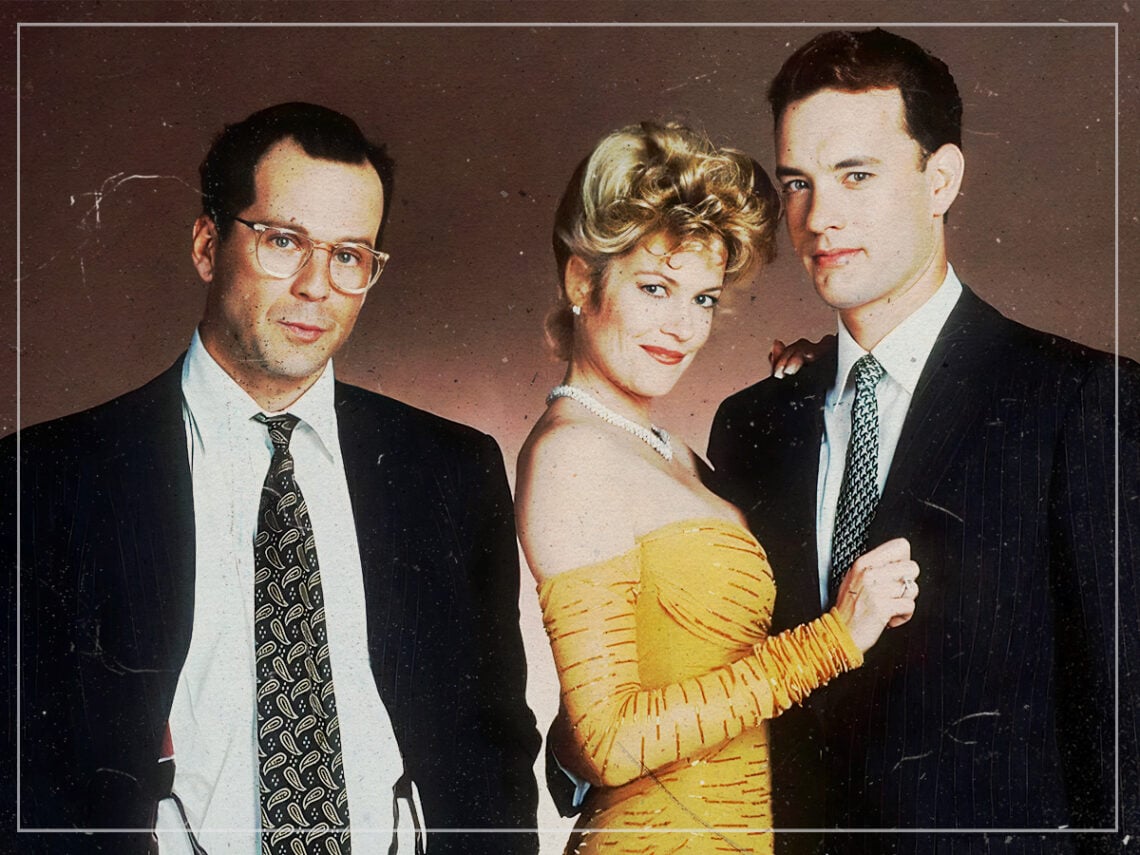
In terms of the cast, Tom Hanks was one of the most popular young stars in the industry, Bruce Willis was hotter than ever after starring in the hit sequels Die Hard 2 and Look Who’s Talking Too the very same year, and Melanie Griffiths was fresh from her Academy Award nomination for ‘Best Actress’ in the star-making Working Girl.
All that and the movie was based on Tom Wolfe’s best-selling novel, ensuring an avid readership eagerly awaited the story’s jump into live-action. Even before cameras had started rolling, though, there were several minefields of controversy that needed to be navigated.
Original director Mike Nichols wanted Steve Martin for Sherman McCoy, who was rejected by the studio for being too old. Wolfe himself thought Chevy Chase was the standout candidate before the part was ultimately accepted by Hanks, but that was only the beginning of the headaches.
John Cleese and Jack Nicholson both rejected the chance to bring Peter Fallow to life before Willis boarded the film, with Warner Bros pressuring De Palma into hiring him based on his Die Hard superstardom. In addition, Alan Arkin was initially set as Judge Leonard White before being tossed out and replaced by Morgan Freeman in an effort to offset any potential backlash over the perceived racial politics laced through the narrative.
F. Murray Abraham then found himself lodged in a contract dispute and had his name taken off the credits entirely, which came after the studio had forced sweeping changes to the source novel that extended to making Sherman a more sympathetic protagonist and almost completely revamping Freeman’s character, to the extent that it was barely recognisable to the one in the novel.
In the end, The Bonfire of the Vanities was immolated by critics, flopped at the box office, and was nominated for five Golden Raspberry Awards. It shouldn’t have been the case, given its stellar components and A-list assemblage of creatives.
On the other hand, it was somewhat inevitable considering the studio weighed in to make hefty alterations to a popular book that were destined to alienate its fans, insisted on shelling out for some of the most likeable names in Hollywood to play unsympathetic figures, forced the director into accepting casting choices he had no say in, and let things spiral so far out of control that overspending and animosity became the order of the day at the expense of making movie magic.
