


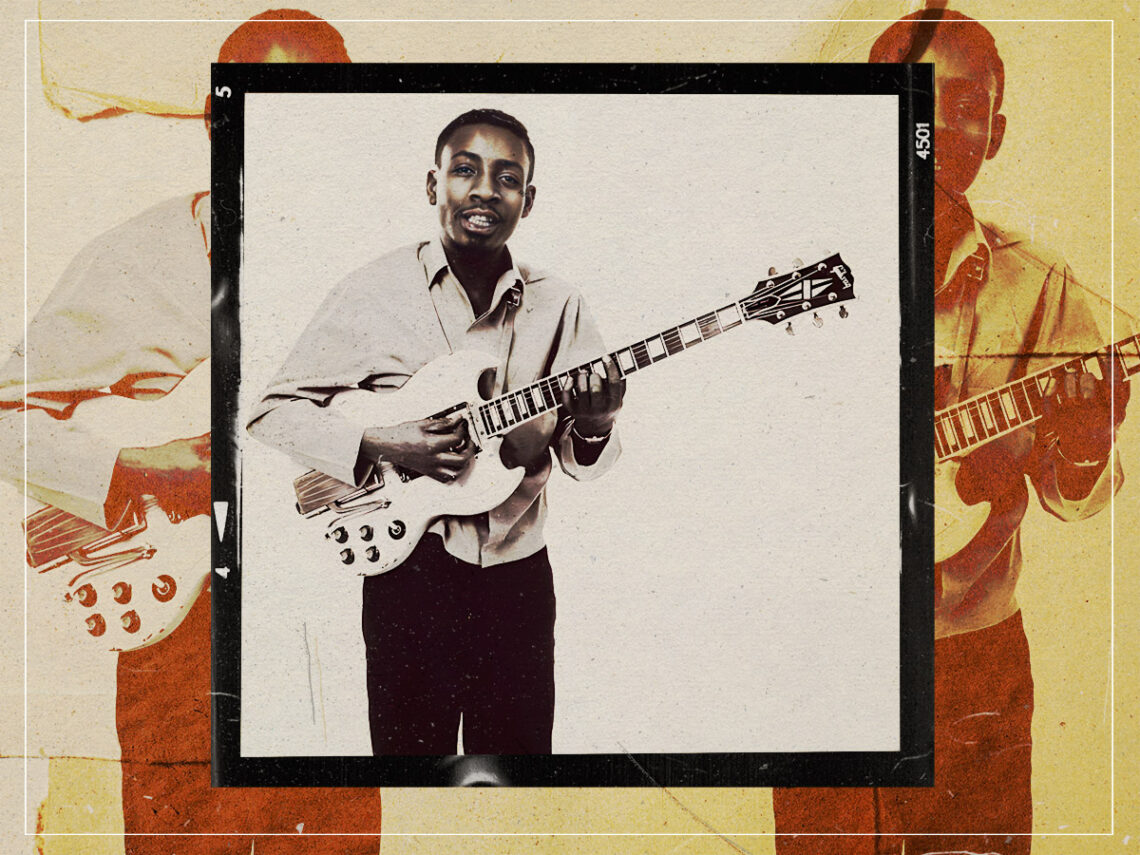
‘Sunny’: Bobby Hebb’s personal tragedy connects with a nation

Everything happens for a reason, or that’s how the saying goes. Whether you want to believe it or not is up to you, but one thing is undeniable: many great songs wouldn’t exist were it not for tragedy. Bobby Hebb contributed to the list of beautiful songs inspired by sadness when he wrote what is now one of the most covered tracks of all time, ‘Sunny’.
When there is a national tragedy, the world seems to stop, and everyone joins in a strange sense of connective mourning. Throughout this period, it can be strange to think that other tragedies, more personal to an individual, might be happening simultaneously, but that’s precisely what happened to Bobby Hebb.
On November 22nd, 1963, while riding in a presidential motorcade in Dallas, the 35th President of the United States, John F. Kennedy, was shot and killed. It was an event that shook the world as the horror was broadcast on TV, and people everywhere scrambled in chaos to try and make sense of the situation.
Just 24 hours after that, Bobby Hebb’s brother, Harold, was stabbed to death outside of a Nashville nightclub. The two of them were not only brothers but musical partners as they would frequently sing together as a song-and-dance duo in Nashville and planned on making it big together. Naturally, the event hit Bobby hard, but rather than dwell on the negatives, he did the opposite and focused on the positives. His positive mindset resulted in ‘Sunny’, and the world thanked him for it.
The song became big as soon as it was released and has been covered by hundreds of artists, including Georgie Fame, Del Shannon, the Four Tops, Boney M and Wilson Pickett. Regardless of who you speak to, everyone will have heard some iteration of Bobby Hebb’s ‘Sunny’.
It could be argued that given how successfully the song has stood the test of time, it would have been popular regardless of when it came out; however, given Hebb’s personal tragedy coincided with a mourning nation, people connected with the song on more levels than one. The death of JFK was horrific, but it was such a big event it can be challenging for some people to grasp it. It goes beyond death; there were domestic and international ramifications, so any attempt to paint a picture that was too big for anyone to look at fell flat.
Bobby Hebb had a much more personal tragedy, but everyone throughout that mutual mourning period could connect with the feelings that stemmed from it. Since then, people have applied it more subjectively, but it took on a nationwide significance at the time. It’s a great example of music’s ability to heal, regardless of how personal or far-reaching whatever it is causing someone pain might be.
