


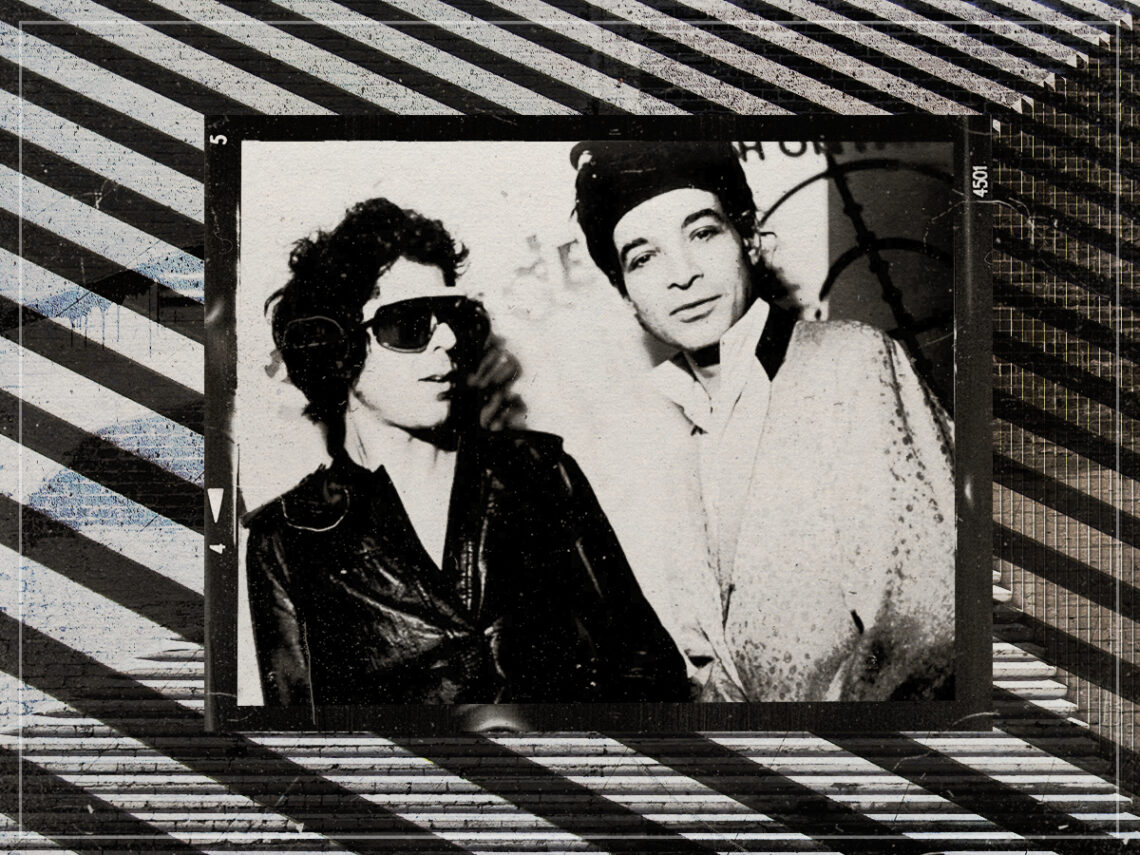
Suicide, Martin Rev, live show carnage and the “apex of punk”

As music fans, it’s our lot to feel like we were born in “the wrong generation”. If we arrived on this barren wasteland of a planet 20 to 30 years earlier, we’d be able to see all our heroes in their prime. We’d be right down the front for Iggy Pop. Crammed into Café Wa? alongside Chas Chandler for Jimmy Hendrix. We’d buy Aretha Live At Fillmore West on the day of release. We’d know exactly what’s popping right then and there, right? Well, don’t be so sure. If the career of Alan Vega and Martin Rev’s synth-punk duo Suicide shows us anything, it’s that when truly boundary-pushing music pops up, people tend to hate it.
Punk music has always been about challenging norms, unsettling the mainstream, and pushing boundaries. However, Suicide took this ethos to an extreme level. Formed in 1970 by Vega, Rev, and guitarist Paul Liebegott under the name Satan Suicide (inspired by a Ghost Rider comic), the band set out to merge Iggy Pop’s confrontational performance style with the emerging electronic experimentation brewing in the darker corners of New York’s art scene.
Even on a scene populated by the likes of the New York Dolls, Suicide pissed people off. They were one of the few bands banned from playing at CBGBs. They were booed as soon as they took the stage due to the way they looked. Vega even started bringing a large, heavy biker chain on stage after a few punters started threatening him with physical violence. By the time the punk scene really started taking off in 1976, some of the major names of the time started taking notice of Suicide and their brand of legitimately disturbing proto-noise rock.
In 1978, Suicide received an invitation from Elvis Costello’s management to join his European tour as the opening act. It seemed like the perfect audience—one that might embrace their avant-garde approach. However, that couldn’t have been further from the truth. On a “good” night, they were merely booed offstage. The low point came during an infamous concert in Brussels, which was so chaotic that a friend of the band recorded it and released it as ’23 Minutes in Belgium’, capturing the full fury of the hostile crowd.
The band played to a particularly partisan crowd that night. There are active chants of “Elvis! Elvis!” over the third number ‘Cheree’. The only positive reaction comes halfway through ‘Frankie Teardrop’ when some scally in the crowd steals Vega’s microphone and refuses to give it back. The show’s promoter comes onstage to berate the audience, saying there will be no show if the mic isn’t returned. At this point, the audience is baying for blood, and though Vega tries to continue the song a capella, he gives up. The band leave the stage to rapturous applause, though not the kind anyone would hope for.
What the audience hadn’t counted on, though, was the die-hard Suicide fan waiting in the wings, apoplectic with rage at how they were being treated. This fan’s name was Elvis Costello, and he was the headline act for the show. The famously spiky Costello played a confrontational set that he ended almost as soon as it started, and the toxicity from the crowd spilt over into a fully-fledged riot in the 2000-capacity theatre. If that’s not punk, I legitimately don’t know what is.
Looking back on it in an interview with Red Bull Music Academy, Martin Rev takes a great deal of pride in the whole affair, calling it “the apex of punk” and going on to talk about how influential that show was in particular. “When we went back to Europe in the late 1980s, (producer) Marty Thau said, “You know, groups are now all talking about you in the press. Like, they’re influenced by you.”
Even today, if I said that the entire Brussels story happened to Death Grips in 2018, it wouldn’t be too out there, would it? So, if there’s anything out there now you have a negative reaction to, give it another try; it might just be the future.
