


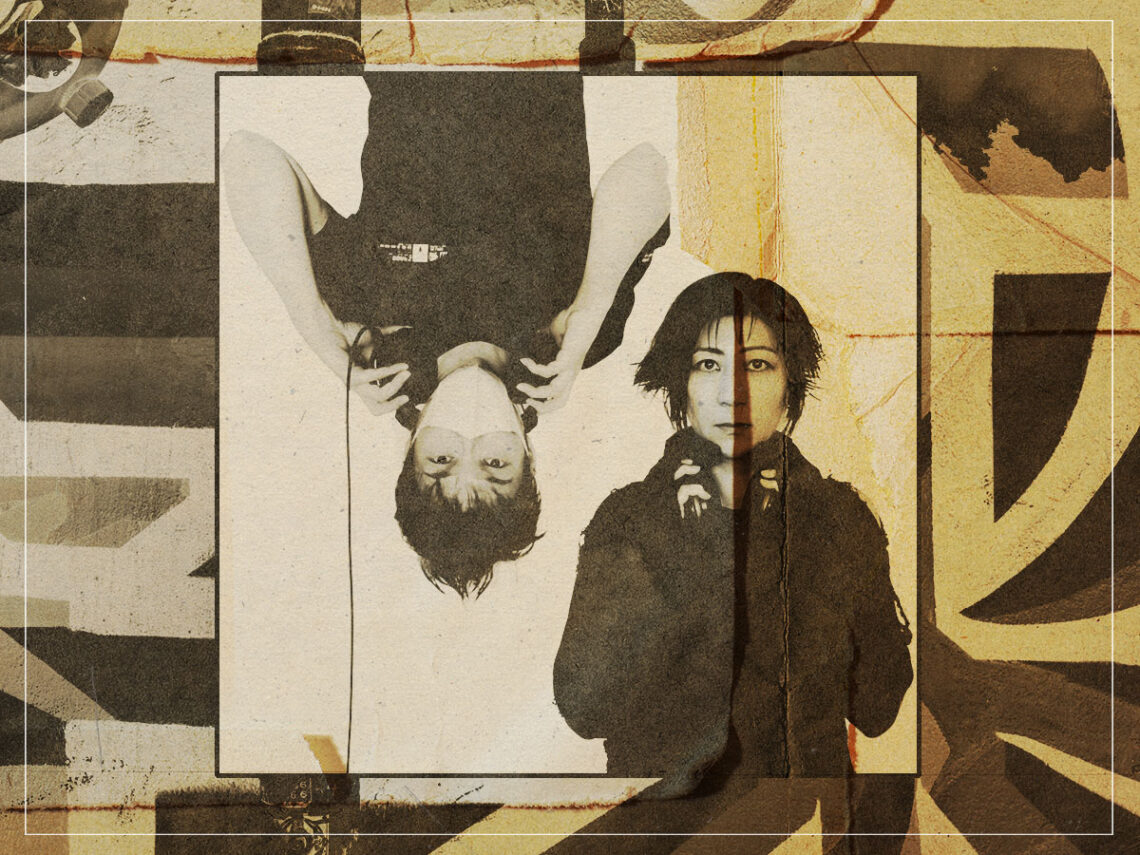
Melt-Banana: The lasting genius of Japan’s noise rock masters

Noise rock is a complex and often maligned genre which is far more diverse than casual listeners might expect. From the complex and abrasive soundscapes of Merzbow to the noise rock of Sonic Youth, noise can come in various different forms. However, perhaps one of the most raucous, energetic, and enduring instances of noise rock comes in the form of Melt-Banana, the Tokyo-based outfit who have been creating blink-and-you’ll-miss-it noise rock records for upwards of three decades.
To the uninitiated, Japan might seem an unlikely setting for a noise rock rebellion, but, in fact, the East Asian nation has arguably contributed more towards the noise genre than any other nation in the world. It was Japanese artists who initially laid the foundations for much of what we now know as noise rock – alongside the influence of European composers and the musique concrète movement in France. Melt-Banana aimed to carry on this incredible legacy, following in the footsteps of legendary noise composers in Japan while cementing their own unique and anarchic performance in the process.
During the early 1990s, budding young musician Yasuko Onuki started a band while studying at the Tokyo University of Foreign Studies. After some line-up changes, anarchic gigs, and musical differences, this band eventually became known as Melt-Banana, with Onuki and guitarist Ichiro Agata always at the band’s core. Blending influences of hardcore punk, experimental rock, grindcore metal, and, of course, noise, Melt-Banana stood out from the crowd almost instantly.
In the early years of their existence, Melt-Banana could pump out records at a virtually unparalleled speed, as though they were some kind of noise rock production line. Their third studio album, 1995’s Scratch or Stitch, is a particular highlight within their discography, perfectly encapsulating their genre-defying sound and penchant for experimentation. Short, sharp, and anarchic noise tracks became the bread and butter of the Tokyo band, though their sound has always been far too diverse to pin down.
The originality of the band’s sound along with the infectious energy of their live performances meant the group were quickly plucked up by a record label and sent around the world to preach the gospel of noise. Immediately, the band found a global audience for their distinct and awe-inspiring performances, remaining true to themselves and fearlessly original in their output throughout.
Speaking on their influences, Onuki once attested, “There is no tradition and no influence,” confirming her successful pursuit of originality. However, the songwriter did clarify, “Besides maybe Lydia Lunch and the Teenage Jerks. […] It was so unique and distinctive, you could tell by listening to the voice who is singing – that what I wanted to achieve with my own voice too.” Lunch and the incredible no-wave outfit Teenage Jesus and the Jerks are an obvious influence on the band, but they are maybe the only ones that have remained constant throughout Melt-Banana’s discography.
Elsewhere, the band have taken inspiration from all corners of the musical world. In fact, one of their standout tracks comes in the form of ‘Monkey Man’, a wonderfully chaotic and euphoric rendering of the ska classic, originally penned by Toots Hibbert back in 1969. Melt-Banana’s ever-changing repertoire of influences means that the band has never stayed rooted in one particular sound.
That increasingly diverse sonic range can be heard clearly within the band’s latest offering, 3+5, which simultaneously sees the band stripped back to its basic components, as well as offering a brand-new level to their sound. Of course, the biggest appeal of the band has always been their live performances, and this remains true even today. Although they are not the same youthful performers that they were during the 1990s, Melt-Banana still manages to put on a captivatingly chaotic show night after night in cities around the world.
The very fact that, after three decades, a DIY band from a faraway land can still pull in crowds to listen to an unparalleled wall of noise is a testament to the power of originality within music. Yasuko Onuki is nothing short of a musical genius who could rival any high-brow composer in a race for uniqueness and artistic vision. Long may she reign.
