


The subject Carole King refuses to talk about: “All the fun stuff”

For songwriters like Carole King, music offers a place of unbridled honesty. Through their lyrics, they tell the intimate details of their life stories to such a degree that any further questioning from us as fans is simply not required.
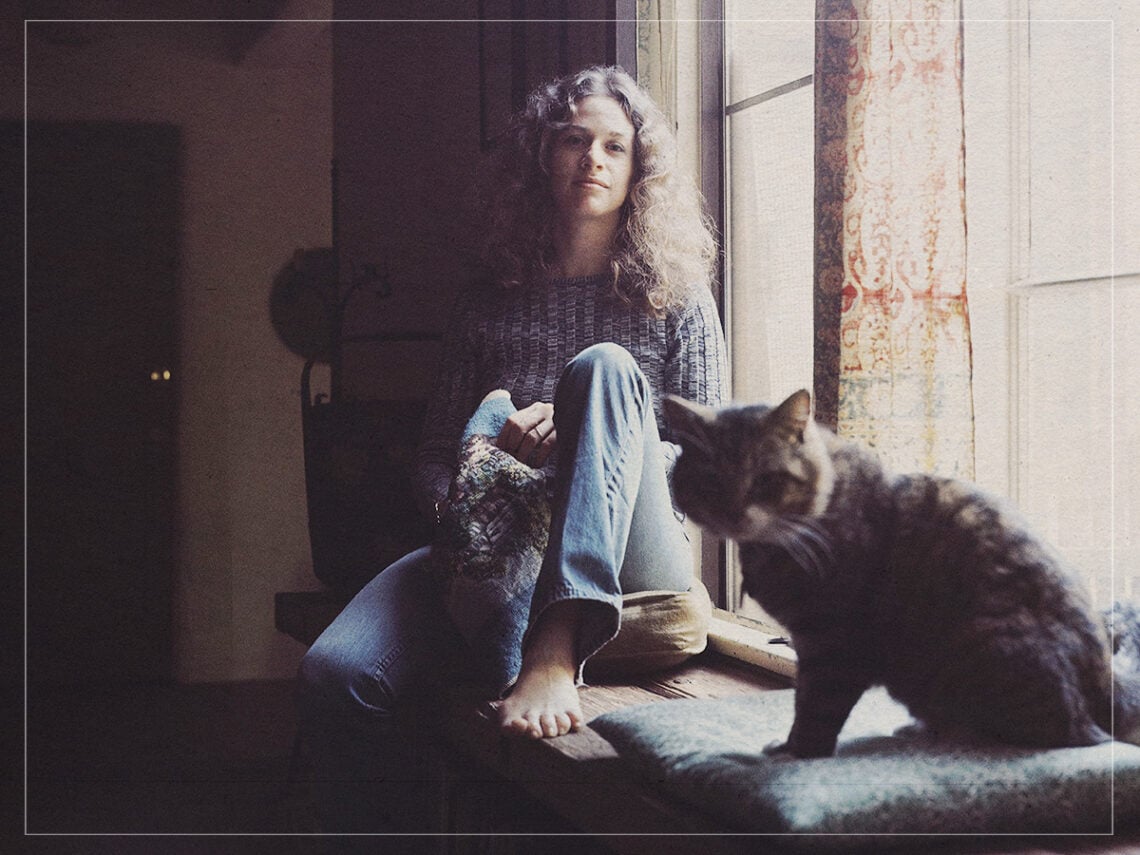
Especially when you take an album like Tapestry. Her 1971 opus was a warm invitation into the songwriting world we had only caught a glimpse of at that point. Her role as the premier background songwriter of the 1960s meant we had heard her words, sure, but sang through the voices of icons like Aretha Franklin and James Taylor, who moulded the meanings to their voices and changed them entirely.
Tapestry, however, saw King take back autonomy and tell the stories with her own voice. ‘(You Make Me Feel Like) A Natural Woman’ suddenly became an anthem of quiet confidence, while ‘You’ve Got A Friend’ felt a little warmer and emotional than Taylor’s upbeat folk edition.
Then there was ‘It’s Too Late’, which arguably became her biggest personal anthem from the record. Rather than showcasing King reimagining one of her own songs, ‘It’s Too Late’ debuted with her voice and subsequently felt inherently linked to her and her life. It was a painful portrayal of love lost and the defiant pursuit of independence in the wake of it.
Because during that period of booming career success, King was enduring life at the coalface of turbulent relationships. King had spent most of the 1960s married to her songwriting partner, Gerry Goffin, before splitting with him in 1968.
Their relationship was a complex one, steeped in genuine care and love, while similarly harbouring a mutual professional respect that ultimately made them one of the most prolific songwriting duos of the decade. But within that, King often felt as though Goffin was publicly mistreated, explaining: “A lot of times, as the singer of the song that Gerry had written the lyrics to, I was often credited, and they might overlook him, and that’s hard when you’re married to them. We were an amazing songwriting team, and I think we made each other better.”
That subtle warring dynamic weighed heavily on the pair, with Goffin suffering extensively from mental health issues that ultimately saw the end of their relationship. Come 1970, the year of Tapestry’s release, King had married her second husband, Charles Larkey, with whom she would stay married until 1977.
Then came her third marriage with musician Rick Evers, which ended when he died of a heroin overdose in the late Seventies. After Evers’ death, which was arguably the most painful end of them all, King married her fourth husband, Idaho rancher Rick Sorenson, to whom she is now divorced.
While fans like to salaciously conclude that King’s varying relationships contribute to the success of her music, she has simply denied them the right to speculate, claiming that it is the one part of her life that remains sacred, for now.
In 2016, she claimed to be writing a second autobiography that includes “all the fun stuff – hanging out with Paul McCartney, John Lennon and James Taylor. But also, yes, the marriages.”
