


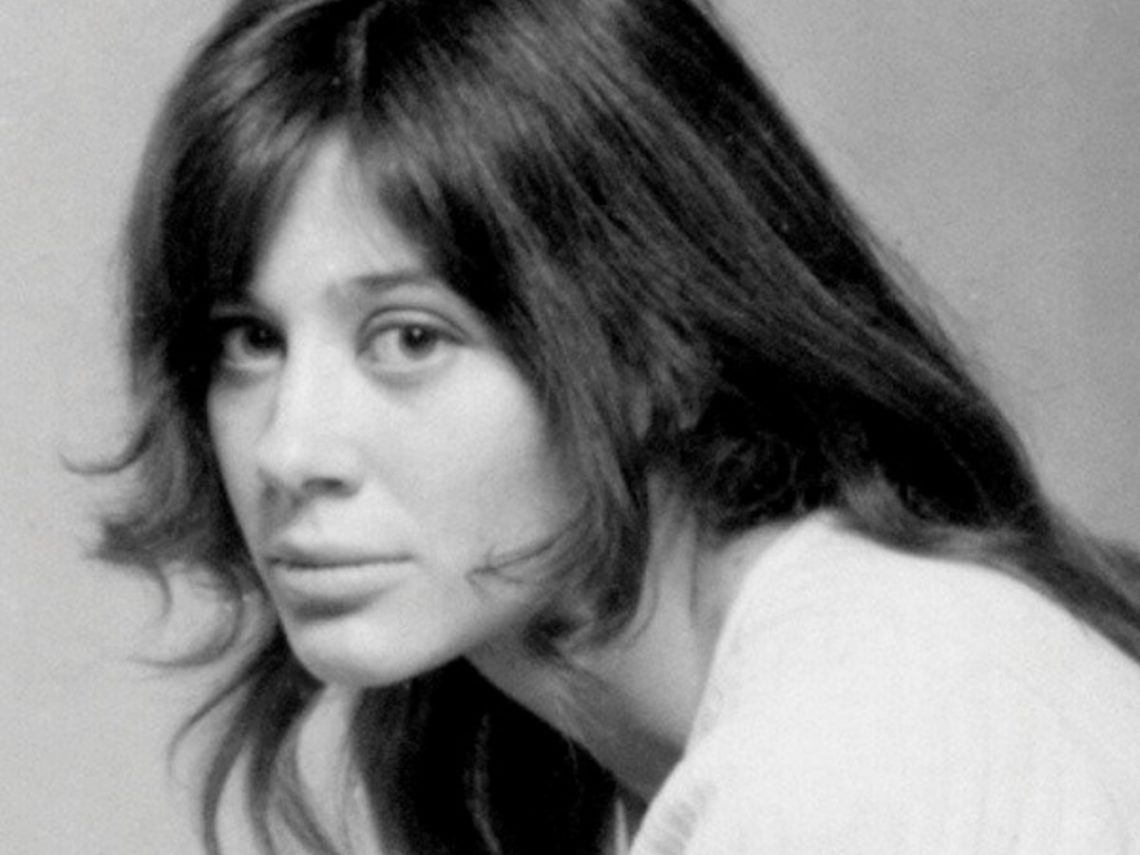
The strange story of how Vashti Bunyan came to fall in love with Neil Young’s “greatest album”

Vashti Bunyan is a rare, magical talent whose beautiful songs floated off into the ether for far too long before being rediscovered decades later. Thanks to the internet, Bunyan found that people were interested in a long-lost album, Just Another Diamond Day, which she had recorded in 1970. Soon, the record was reissued, and after decades of abandoning music, Bunyan decided to start writing and performing again.
Bunyan’s is a fascinating story, beginning when she visited New York as a teenager, falling in love with the sounds of Bob Dylan. Realising that she wanted to be a singer, too, she started writing songs, and soon she was in contact with Andrew Loog Oldham, who produced some of her early singles. Yet, these songs didn’t sound like Dylan – they were much more commercial and pop-oriented, and they failed to make an impact.
Instead, she ditched her quest to become a famous singer and hit the road with her boyfriend, Robert Lewis, determined to get away from the concrete and smoke fumes. With a horse and cart, they started their journey towards the Isle of Skye in the hopes of joining the popular folk singer Donovan’s commune.
While on the road, she penned songs with her acoustic guitar, noting her observations on the natural world, her emotions and her experiences of love. “I wanted to get back that feeling of childlike wonder, to remember what it was like to find the world extraordinary, about there being so much to learn,” she explained to The Guardian.
Eventually, Bunyan and Lewis reached the commune, only to be disappointed. They moved elsewhere and soon settled into a real house to find a sense of security and stability, which they needed to raise the young children they came to have. In 1970, however, Bunyan finally recorded an album of folk-inspired songs, Just Another Diamond Day, a document of her time on the road.
Unfortunately, the album didn’t find any success, leading Bunyan to abandon music and focus on her family, forgetting about it until the late ‘90s. Her peculiar way of living – so far from the beaten track – allowed her to write tender and evocative songs, possessing a true sense of intimacy and introspection. Yet, while she was on the road, she was unable to listen to any music since the couple didn’t have any room for a record player and vinyl, nor would they have had any way to play it.
Bunyan’s journey, following the failure of her first attempt to become a musician, was decidedly informed by a lack of music, apart from the kind she was writing herself. Talking to Pop Matters, she explained that she really didn’t have a record player for “a couple of years,” and when she finally got her hands on one – once the couple had settled in a proper home – Neil Young’s After the Gold Rush was “the first album I heard after being without electricity.”
Young’s album was his third release, with the singer taking inspiration from his time living in Topanga Canyon in Los Angeles. In songs like ‘Only Love Can Break Your Heart’, Young uses simple words to convey rich emotion, championing repetition as a way to communicate heartbreak and on ‘Southern Man’, he attacks slavery, tying the track together with a moving guitar solo. With its introspective lyricism and occasional references to the natural world, particularly within songs like ‘Birds’ and ‘Cripple Creek Ferry’, it’s no wonder that Bunyan loves the record so dearly.
After The Gold Rush wasn’t initially received with widespread acclaim, but it’s now widely heralded. To Bunyan, it’s “the greatest album, ever.”
