


Dead cows and chainsaws: The strange days of ‘danger music’

Artistic transgression and the keen cultivation of palpable danger for both the performer and audience go back in music longer than you’d think. Before GG Allin’s shit-covered self-mutilation, Skinny Puppy’s shlock-horror cyber theatrics, or Throbbing Gristle‘s seedy conjurings in the industrial underworld, there was ‘danger music’, an avant-garde experiment that sought to deliver fraught hazard in both practice and theory.
Embracing the idea that some compositions can, or should, pose a risk to one’s health, the artists and academics involved in ‘danger music’ knew full well that selected works may never be heard or played live, lest they’re prosecuted for incitement to murder.
Its origins can be traced to the transnational Fluxus movement that rocked the art world across all manner of disciplines in the 1960s, encompassing radicals from George Brecht, Yoko Ono, John Cage, and Nam June Paik. Pushing Dada’s subversive destruction of art’s traditions and aesthetics to a greater, more extreme terrain, Paik was known to involve severed cow heads at the entrance to his exhibits in the early 1960s.
“People who come to my concerts or see my objects need to be transferred into another state of consciousness,” Paik once stated. “They have to be high. And in order to put them into this state of highness, a little shock is required…”
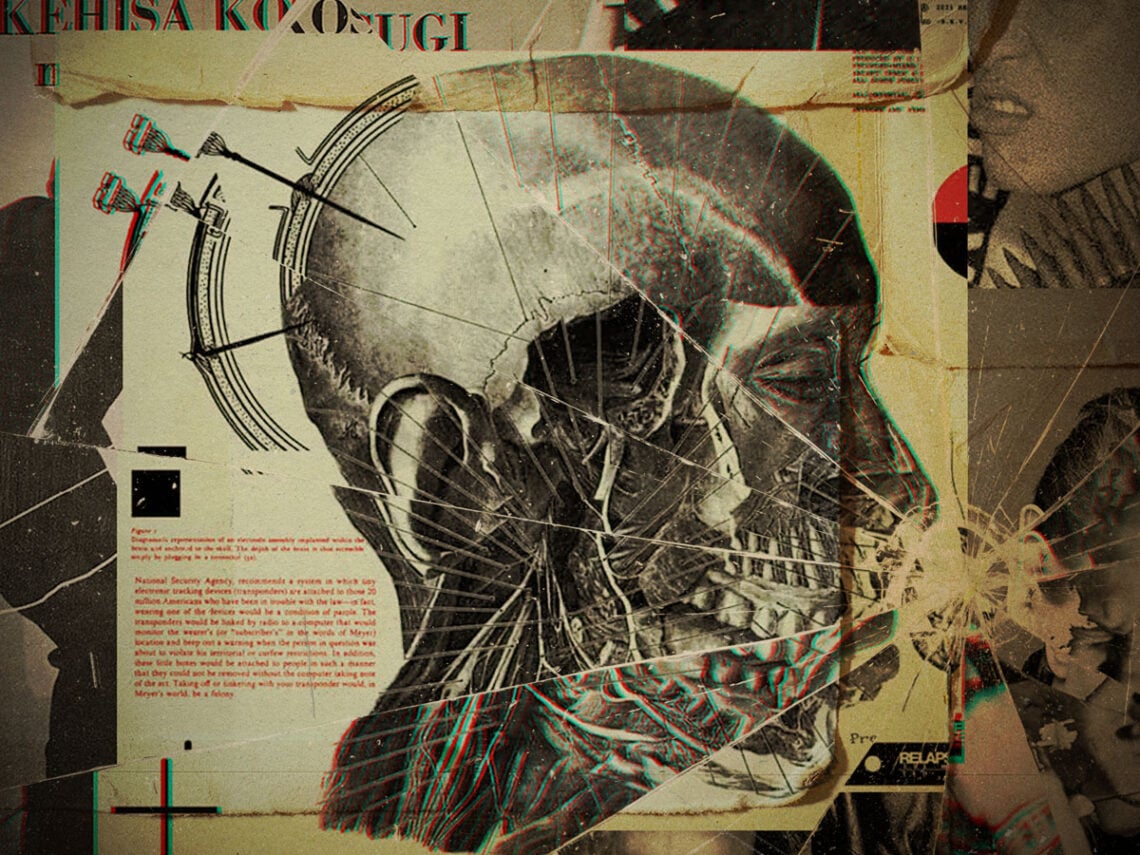
Similarly, Japanese composer Takehisa Kosugi fuelled ‘danger music’ in earnest during Fluxus’ full-swing. Inspired by jazz and orchestral arranger Toshi Ichiyanagi, Takehisa began incorporating everyday objects into his live pieces, scoring the radical left art collective Hanzaisha Domei with a leftfield din that bordered on proto-industrial. He also keenly stepped into the world of scabrous conceptual work with his 1964 piece Music for a Revolution, simply an instruction to “scoop out one of your eyes five years from now and do the same with the other eye five years later”.
Takehisa’s example would persist into punk, involving a new generation of creatives eager to do away with the boundaries between performance and danger, deliberately cranking the volume up to punish the audience or even lobbing minor explosives into the crowd. Yamantaka Eye’s noise venture, Hanatarash, was infamous for demanding ticket holders sign waivers before entering the venue and even reports of the artist driving a full-blown excavator machine through the back walls.
Metal band GISM revelled in violence, too, with frontman Sakevi Yokoyama known for running through the terrified crowd with a chainsaw and lighting a flamethrower at the first row. A fog of lore surrounds the band, which added to the Fluxus danger element. Tales of threatening to kill record store employees for selling bootleg shirts or stabbing fans who took photos of Yokoyama form inextricable features of GISM’s violent mystique.
‘Danger music’s’ mantle is carried today by Australia’s Lucas Abela, known as Justice Yeldham. Initially a DJ and informed by free jazz, Abela began crafting instruments made from panes of glass fitted with microphones and attached to effects pedals. Breaking and manipulating the glass with his mouth, the eerie and dissonant noises emitted are typically accompanied by split wounds and profuse bleeding all over his musical instrument of destruction.
