


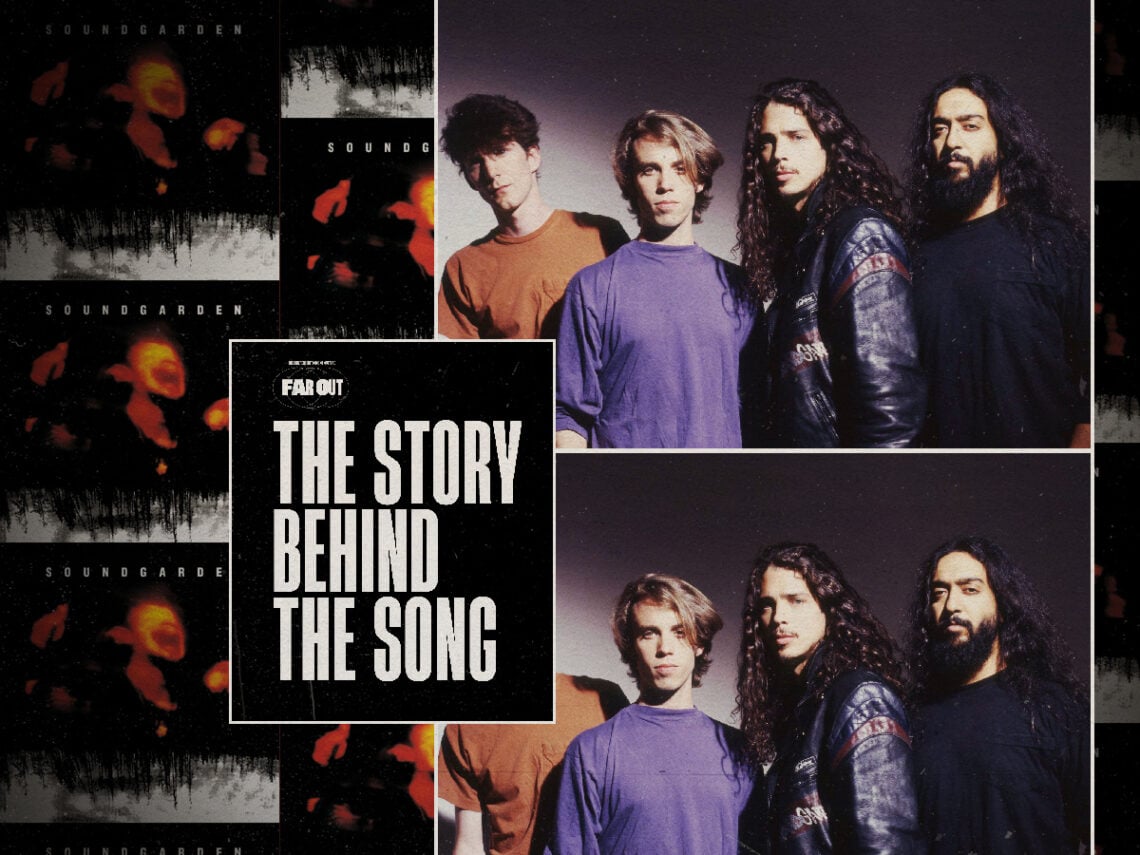
The Story Behind The Song: How Soundgarden created ‘4th of July’

When Soundgarden unleashed Superunknown in 1994, they had little to prove.
While their mainstream success had not yet reached the heights of their fellow Seattle comrades in Pearl Jam, Nirvana and Alice in Chains, Soundgarden were the innovators of the city’s reinvention of guitar rock, defined by the soulful, staggering vocals of singer Chris Cornell that captured a dual anger and melancholy.
Describing their fourth album, Cornell told Melody Maker in 1993, “Superunknown relates to birth in a way… Being born or even dying – getting flushed into something that you know nothing about.”
Soundgarden’s venture into the unfamiliar broke them into the mainstream, with the inevitable anthem of ‘Black Hole Sun’ and the irresistible groove of ‘Spoonman’ and ‘My Wave’ encompassing the adrenaline coursing through Soundgarden’s veins. But one cult-like favourite track from Superunknown stands as their heaviest, most immersive song, with an equally fascinating backstory.
‘4th of July’ spawned from an acid trip that Cornell once had, an experience that left him disoriented. “One time I was on acid, and there were voices ten feet behind my head,” the singer recalled to RIP Magazine in 1994. “The whole time I’d be walking, they’d be talking behind me. It actually made me feel good because I felt like I was with some people.”
Caught suspended from reality, Cornell fixates on the few moments that felt real enough to believe as true, not mere figments of a hallucinogen-induced imagination.
“At one point, I was looking back, and I saw that one person was wearing a black shirt and jeans, and the other person was wearing a red shirt,” he said. “They were always there. It was kinda like a dream, though, where I’d wake up and look and focus once in a while and realise there was no one there. I’d go, ‘Oh, fuck, I’m hearing voices.’”
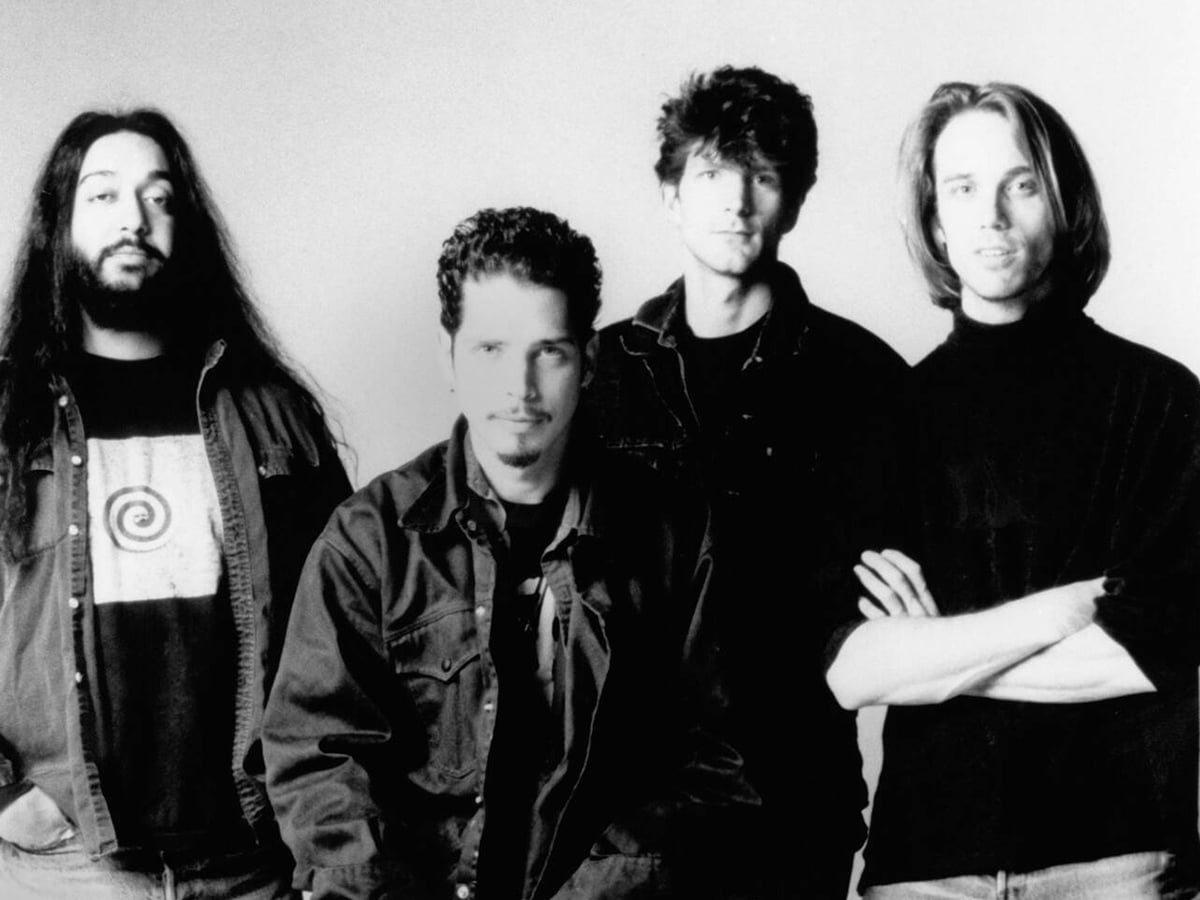
In his lyricism, Cornell channels this strange, confusing world through flashes of vague imagery, as though he is trying to ascribe every description possible to confirm whether he was conscious or in some sort of limbo. “‘4th of July’ is pretty much about that day. You wouldn’t get that if you read it,” he admitted. “It doesn’t read like, ‘Woke up, dropped some acid, got into the car and went to the Indian Reservation.’”
‘4th of July’ is grounded in its haunting down-tuned guitars and bass, using CFCGBe tuning. Their chords crawl through a cloud of smoke, headed towards an impending danger hidden somewhere in the deserted landscape Cornell wanders through. Allusions to fire and water, communicated with religious imagery, follow him: “Cool in the waterway / Where the baptised drown / Naked in the cold sun / Breathing life like fire.”
The voices that followed Cornell during his trip resurface, too, flowing through the distressing chorus: “‘Cause I heard it in the wind / And I saw it in the sky / And I thought it was the end / I thought it was the 4th of July.” Cornell is surrounded by a semblance of death or, at least, something akin to the end. What follows is a maze of emotion set to a doom-laden chorus.
In a commentary edition of Superunknown, guitarist Kim Thayil explained the methods for achieving ‘4th of July’s harrowing tone, revealing the use of heavier guitar strings that elevate the sound from grunge-infused to sludge and doom metal. “This was a difficult song to pull off live because of its tuning,” he shared. “It’s an amazing song, it’s fun to play live, and it has this incredibly strong and dark sort of presence to it.” Unable to be exorcised from the song, the assumed presence continues to resonate in Cornell’s consciousness.
The ‘4th of July’ personifies invasive beams of light: “Pale in the flare light, the scared light cracks and disappears / And leads the scorched ones here,” he mourns, amplified by the switch in his vocals: his low-registered drone is layered with his customary wail, their opposing intensities matched to form one of Cornell’s most impactful vocal performances. His two sides can be said to mimic his two strains of thought: the calm acceptance of the unknown and the screams attempting to break through.
There is a varied chaos that slowly builds across ‘4th of July’, heard in the panic of lines like, “And everywhere, no one cares the fire is spreading,” and the chilling image of the burial of faith: “Down in the hole, Jesus tries to crack a smile / Beneath another shovel load.”
The song builds into a crescendo of guitars that mirror the spiral Cornell has found himself in, before the energy recedes in his slow detox. He regains control of his mind, confirming, “And I still remember your sweet everything / Light a Roman candle / and hold it in your hand”.
The flame that lights the way for ‘4th of July’ to engulf Cornell never quite burns out.
