


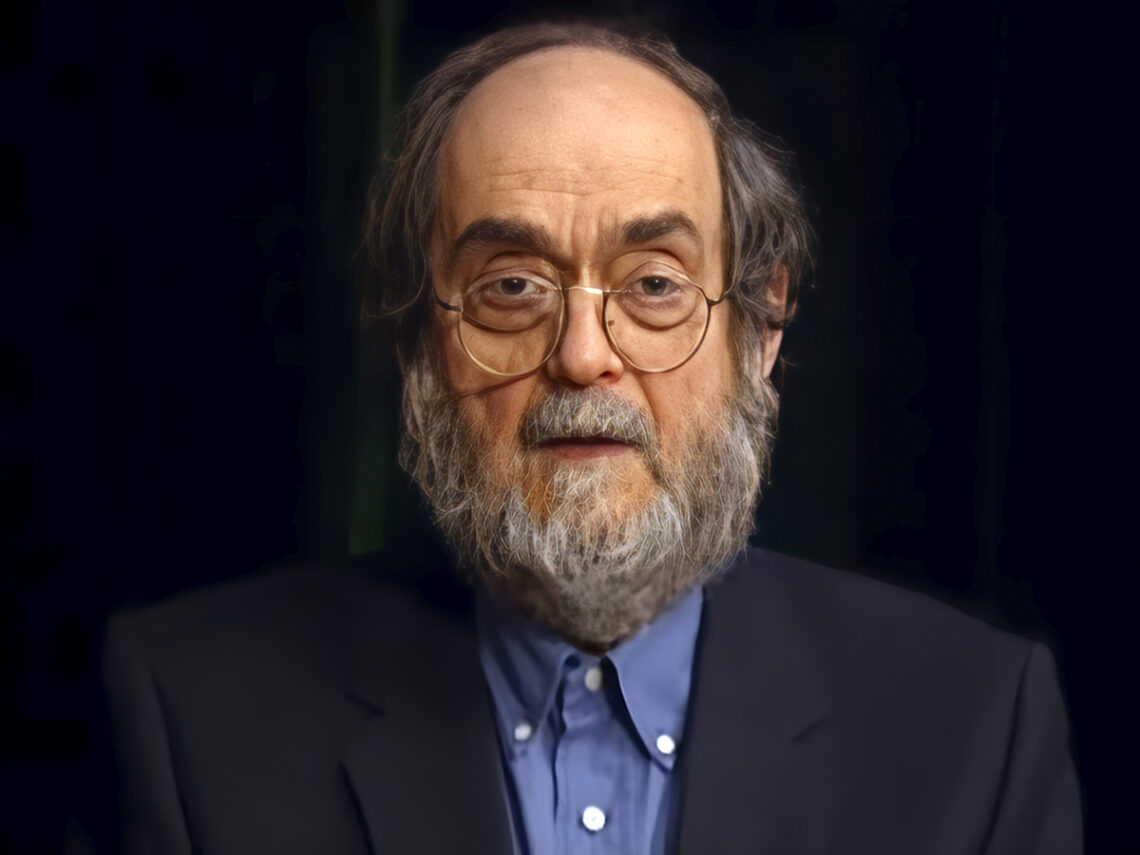
Stanley Kubrick on the number one enemy of every filmmaker: “Extremely unfair”

The role of the critic has long been a subject of contention. While some directors dismiss critics with the familiar adage, “those who cannot do, become critics,” others value their insights and even seek their approval. Quentin Tarantino, for instance, is rumoured to be in pre-production on a film about the legendary Pauline Kael, a critic who championed the works of filmmakers like Paul Schrader and Martin Scorsese. Yet, not all directors share this reverence. One of cinema’s most prolific auteurs once went so far as to call critics “the number one enemy of every filmmaker”.
Stanley Kubrick is one of the most mythologised and enigmatic directors in Hollywood history, with a cult following of film lovers who obsess over the ever-evolving meaning behind his work and behind-the-scenes stories that offer insight into his elusive process. His final film took over 19 months to finish, with people speculating over the decision to cast real-life couple Nicole Kidman and Tom Cruise in what would become his swan song.
The director was very secretive about his work and rarely shared his thoughts on the films he enjoyed and the industry at large, preferring to work privately and leave people guessing to the secrets of his interior world. However, in one of the final interviews before he died, the director revealed his thoughts on one sorely debated aspect of the film industry.
When asked about the sometimes-ambiguous subject matter in his work and how it was interpreted by mass audiences, Kubrick said, “The intellectual is capable of understanding what is intended and gets a certain amount of pleasure from that, whereas the mass audience may not”.
The director added: “But I think that the enemy of the filmmaker is not the intellectual or the member of the mass public, but the kind of middlebrow who has neither the intellectual apparatus to analyse and clearly define what is meant, nor the honest emotional reaction of the mass film audience member. And unfortunately, I think that a great many of these people in the middle are occupied in writing about films”.
It’s a slightly uncomfortable topic to write about, given that I am also in this bracket. It sometimes feels strange to write about films without being vulnerable in the same way as the filmmakers who are realising their stories on the big screen.
Kubrick expanded on this, saying, “I think that it is a monumental presumption on the part of film reviewers to summarise in one terse, witty, clever, Time magazine-style paragraph what the intention of the film is. That kind of review is usually very superficial, unless it is a truly bad film, and extremely unfair”.
I also take issue with the kinds of headlines that he is describing – in order to write fairly about a piece of filmmaking, the critic should engage with it deeply and devote time and attention to uncovering its depths in the same way that the filmmakers do in creating it.
