


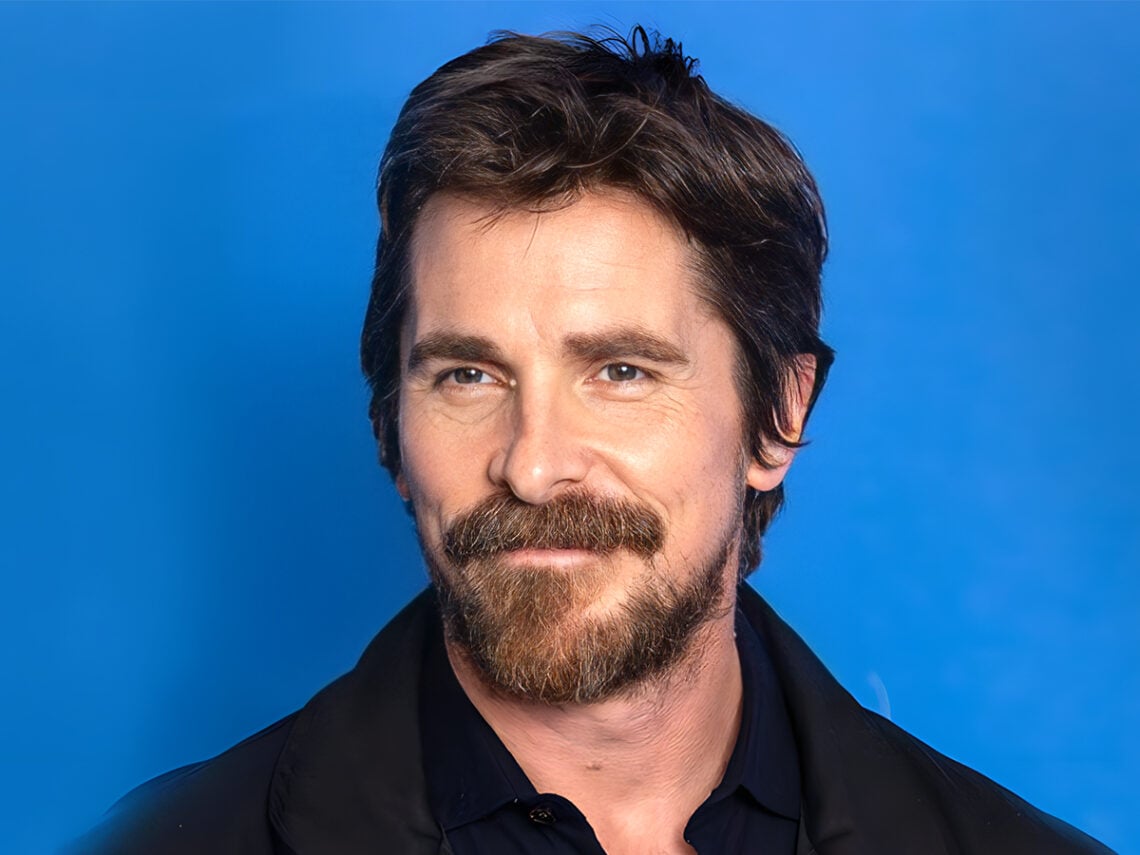
“Really unusual, but brilliant”: the spontaneous director who kept Christian Bale on his toes

Christian Bale has established himself as a sometimes dangerously committed actor, often undergoing extreme physical transformations to prepare for his roles. With his breakout role in Steven Spielberg’s Empire of the Sun, Bale had a stream of dark and brooding roles, playing Patrick Bateman in the cult classic film American Psycho and reclaiming the role of Batman, with his portrayal being heralded as one of the best on-screen iterations of the beloved anti-hero. Throughout his career, the actor has worked with some of our greatest directors but speaks highly of one in particular and his unique approach to filmmaking.
The work of Terrence Malick is an acquired taste for some, with a strange, dream-like world that is challenging in its lack of conformity to traditional narrative structures and rules, often deconstructing stories and sharing them in their purest elements, feeling more akin to a visual poem. It creates a mysterious and abstract feel to his films that makes them hard to pin down or describe within classical terms, described as being somewhat experimental.
Best known for The Tree of Life, Badlands and Days of Heaven, Malick’s work has a hypnotic effect that continues to baffle audiences and inspire conversation, with the director choosing to stay out of the limelight and avoid publicly talking about his work or creative process. However, after Bale collaborated with Malick on Knight of Cups in 2015, the actor highlighted the idiosyncrasies of his process and careful on-set habits.
Knight of Cups follows a screenwriter living in Los Angeles. Plagued by loneliness and a lack of fulfilment, he seeks comfort and distraction through the glitz and glamour of Hollywood and the women he meets. The film was met with mixed reactions, undoubtedly due to its fragmented and more subtle storytelling approach.
When Bale was asked about Malick’s approach to the project, the actor spoke about his spontaneity and tendency to improvise, saying, “He just has a very different approach. He is an incredibly generous man, but very different from when you meet him outside of the movie set. Extremely focused. His priorities are getting everything on the film, and you don’t necessarily know what that is he’s going to want to do that day. He made sure that everything is correct for the period at all times so that everything can be filmed. And suddenly I realise I’m being filmed without there being anything scripted, and suddenly Terry’s asking me to do different things. So it’s very, very spontaneous”.
The spontaneity that Bale describes is definitely something you can feel in his films, with an elusive and fleeting quality to them that reflects the transient nature of life itself, a theme that crops up in many of his stories. The fact that he is so intuitive adds to this feeling, with Bale explaining, “If you sit around on the set, you might just find yourself in a new scene that you never even knew you were in”.
Malick’s last film was released in 2019, despite Bale’s enthusiasm to work with the director again. Bale’s next project, The Bride, is set to be released in 2025 and is directed by Maggie Gyllenhaal.
