


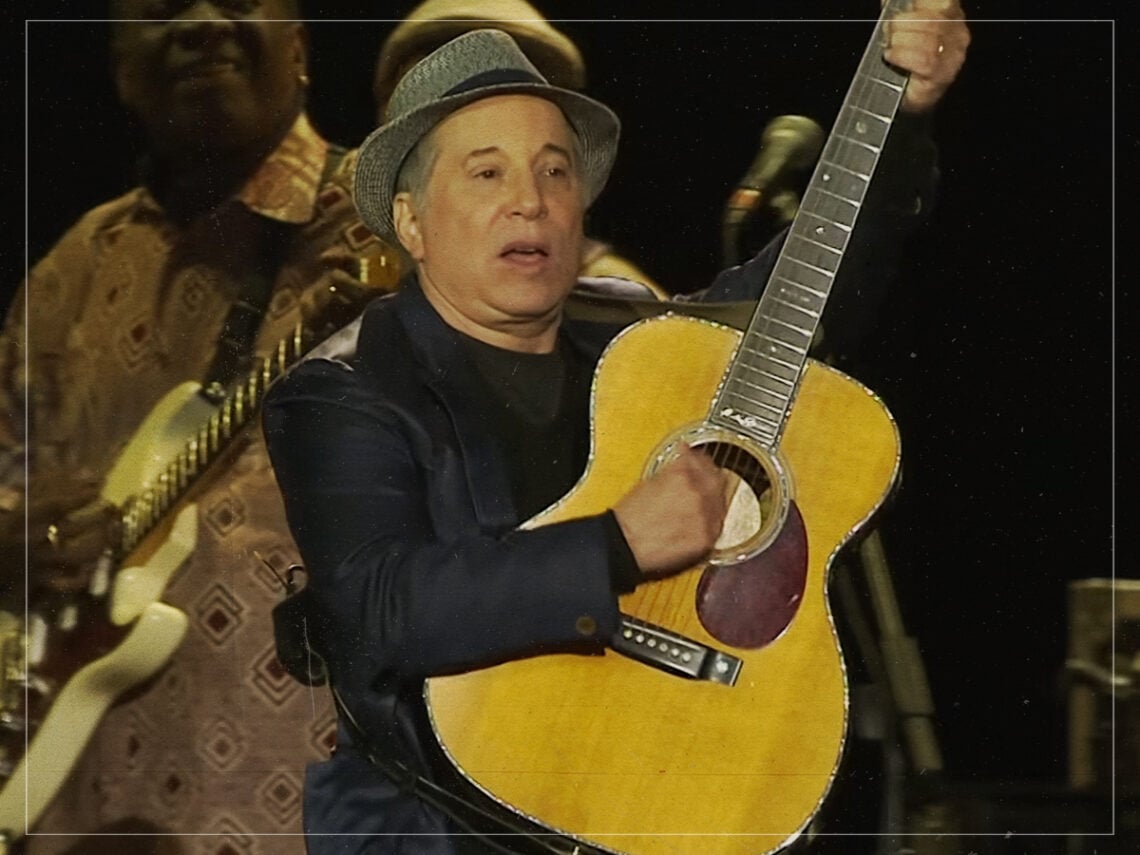
The songwriter Paul Simon regards as timeless: “They’re still working”

While both Paul Simon and Neil Young have mastered the art of career longevity, that doesn’t mean they haven’t found themselves nearly down and out.
For Paul Simon, his career at the turn of the 1980s felt somewhat in decline. After bursting onto the scene with his songwriting partner Art Garfunkel and their classic collection of albums, including Bridge Over Troubled Water, Simon found himself in solo territory. That was, however, no problem for Simon initially.
His self-titled debut album was a triumphant start for the artist, proving that his songwriting chops didn’t solely rely on the support of collaboration, and that vein of creative form continued on with the follow-up records, namely Still Crazy After All These Years.
But then the 1980s came, and his position within the industry shifted. The appetite for heartfelt songwriting had waned somewhat, as futurism took hold of the industry. The simple sounds of Simon’s vocals, laid over the top of a guitar, no longer cut through the noise, and he had to find a way to pivot.
While many were keen to consign him to the bins of irrelevancy, Simon did what all timeless musicians do, and that was to fight back. Travelling to South Africa to make Graceland, Simon had found a way to recontextualise his songwriting with a sound that felt more engaged with the modern landscape, and it was a triumphant return to form for Simon, who proved to the world that creative greatness has no shelf life.
Successful reinvention was a lead he took from his songwriting peers. Bob Dylan had shifted time and time again, as had The Beatles. But both had done it in a more obvious, striking fashion, whereas Simon was looking for inspiration in how to make those gradual sonic shifts.
While many could be worthy candidates for inspiring Simon to his timeless new place, he was quick to label Neil Young as the man responsible for guiding him along the way.
He said, Young “had a big burst a couple of years ago with that beautiful album he made that was a giant hit, Harvest Moon – incredible piece of work! Those guys aren’t getting any worse. They’re good. It’s that expectation: ‘Why don’t you go away?’ the culture says to everybody. We have plenty of other choices, so you go away. Look at the late acknowledgement for the jazz masters, these guys in their 70s. And they’re still working. That batch of guys out of my generation have another ten years in them, I think.”
Young didn’t wholly abandon his principles on Harvest Moon, in the same way that Simon didn’t on Graceland. But on both records, the pair proved that with subtle sonic shifts and a continued pursuit of the lyrical authenticity that crafted their legacy, they continue to contribute to the cultural lexicon.
The story is no different now. Half a century on from the decade considered the very pomp of their artistry, and the continued state of turmoil that the world finds itself in, means Simon and Young’s voices are just as welcomed, should they ever feel compelled to engage with new material.
