


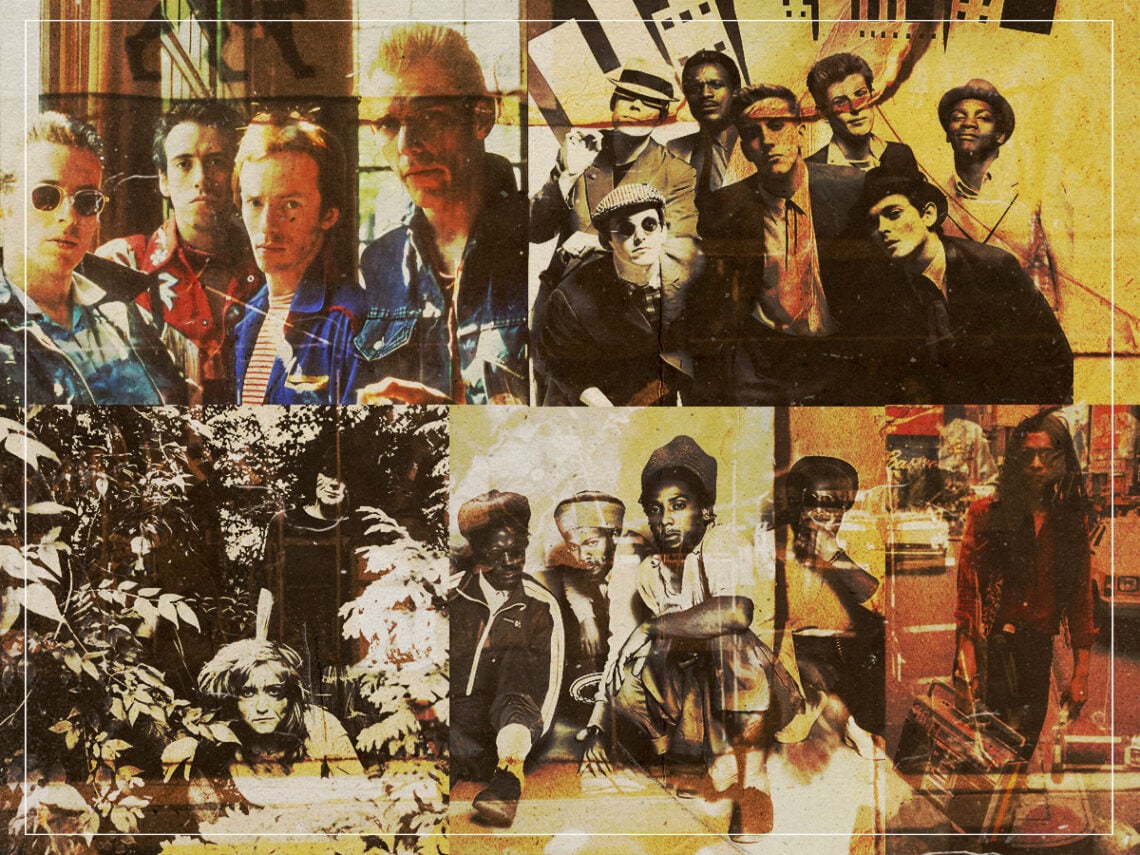
The songs that united punk rock and reggae

Despite the myth that punk rock aimed to destroy all that came before it and establish a radical new form of music, a wide range of genres led to its establishment. From American garage rock to old-school blues, the lineage of punk can be traced back much farther than 1976. One such genre that had a considerable influence on the punk rock scene was reggae.
Owing to increased amounts of post-war immigration to the UK from Jamaica and the Caribbean, reggae music had been present in England since the 1950s. Given the harsh treatment of Black people in Britain at the time, many of those who had come across as a part of the Windrush Generation found themselves unable to find high-paying jobs or decent housing. In fact, many landlords would refuse to rent to Black families, meaning that the poorer areas of major cities across the country suddenly found themselves with a rapidly increasing Black population. The result of this multiculturalism was that, in the late 1960s, a lot of white working-class kids started getting into ska and boss reggae music. The mod and early skinhead subcultures celebrated reggae music and provided a way for young people of different races to unite under a common love of music.
So, by the time punk rock exploded in the UK in the mid-1970s, many young punks were already aware of reggae music. Indeed, some notable ska tracks such as ‘Israelites’ by Desmond Dekker or ‘My Boy Lollipop’ by Millie Small had been huge chart hits in the UK. Punk musicians growing up in poor or run-down areas often grew up surrounded by Caribbean music, and therefore, it is obvious that the influence of reggae would bleed over into punk music.
Paul Simonon of The Clash is noted for the reggae influence he brought to the group. Growing up in Brixton and Ladbroke Grove, the bassist had a love for reggae and dub that he brought to the iconic punk band. This influence can be heard throughout The Clash’s discography but is perhaps most evident on their cover of ‘Police and Thieves’ by Junior Murvin. Elsewhere, Sex Pistols frontman Johnny Rotten has repeatedly spoken about the influence reggae music had on him in his younger years growing up in London. It seems as though, disenfranchised by the soulless pop of the charts, many young punks opted instead to listen to underground reggae music in their youth.
The epicentre of punk music in London was undoubtedly The Roxy Club. Located in Covent Garden, the club and venue was pivotal in launching the careers of Siouxsie and the Banshees, Generation X, The Clash and countless other notable punk bands. House DJ Don Letts was also instrumental in the club’s success. Given the fact that only a handful of punk records had been released by the time The Roxy opened its doors, the DJ chose instead to play hardcore dub reggae, leaving a lasting impact on many punk groups of the time.
One of the most prominent examples of the unity between punk and reggae came with the debut album by The Slits. Frontwoman Ari Up had a pronounced love of reggae music, and that often came across within The Slits’ music. So much so that noted reggae artist Dennis Bovell was drafted in to produce their debut album Cut. The record is littered with reggae and dub influences, particularly on ‘Instant Hit’ and ‘Spend, Spend, Spend’. Released in 1979, Cut coincided with the rise of the 2 Tone movement. Groups like The Specials, The Beat and The Selecter were blending Jamaican ska and reggae music with English punk rock. 2 Tone, though only lasting a few years, was an incredibly important musical movement and signified the unbreakable ties between punk and reggae.
Outside the UK, groups like Bad Brains were mixing reggae with hardcore punk in the US, with spellbinding results. Furthermore, the American third-wave ska movement is often noted for its combination of genres, bands like Operation Ivy and Sublime in particular. The relationship between reggae and punk is undeniable and enduring. Without the influence of reggae artists and DJs like Don Letts, the face of punk rock would likely have been very different.
Check out our playlist of the best tracks that united those two genres below.

Never Miss A Beat
The Far Out Punk Newsletter
All the latest Punk content from the independent voice of culture.
Straight to your inbox.