


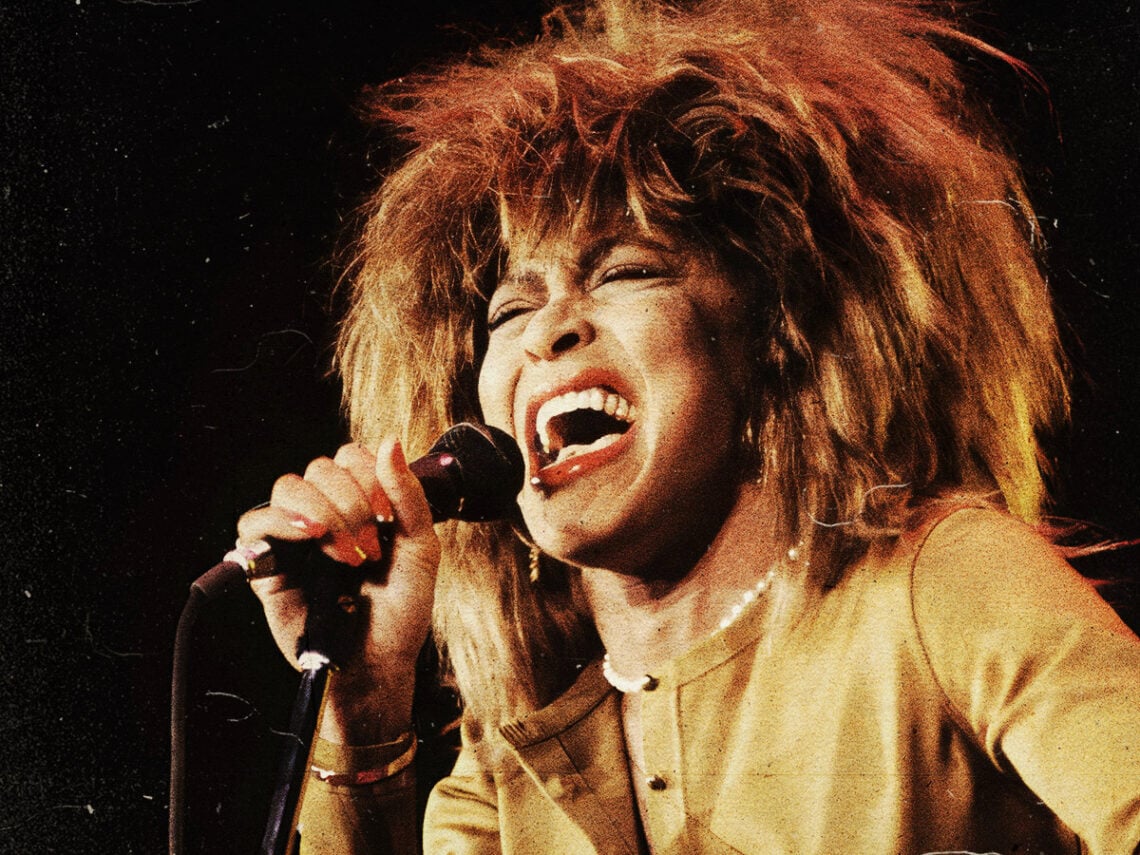
The song Tina Turner wanted to be remembered for: “I’m very proud”

With blood, thunder, and the finest hair in showbiz, Tina Turner was a force to behold.
The star from Brownsville, Tennessee, consistently showcased her skill in transcending musical genres. Excelling in R&B and soul, her dynamic interpretations solidified her presence in the rock community. This versatility earned admiration from both rock legends and R&B enthusiasts.
During the 1980s, Turner embodied a compelling story of redemption. Despite enduring years under the oppressive shadow of her husband, Ike, Turner could have chosen to surrender. Instead, she orchestrated a triumphant comeback with albums like Private Dancer, where she directly addressed the aftermath of multiple shattered romances, confronting the tumultuous aspects of her marriage.
Music meant everything to her. “Music is my life,” she said, “it’s how I express my soul.” That much was clear when she performed. She added, “When I sing, I feel free.” That visceral sense imbued her songs with a stirring vitality. When Turner comes on, the dancefloor generally fills with people experiencing that freedom vicariously.
Although Turner didn’t write all her songs, she infused a semi-autobiographical touch when she composed the hit ‘Nutbush City Limits’. Drawing inspiration from her rural hometown of Nutbush in Haywood County, Tennessee, the lyrics painted a vivid picture of a close-knit town with a strong community. Turner humorously remarked that she didn’t turn heads in Nutbush because she was too skinny, and many women there had a different appearance from hers.
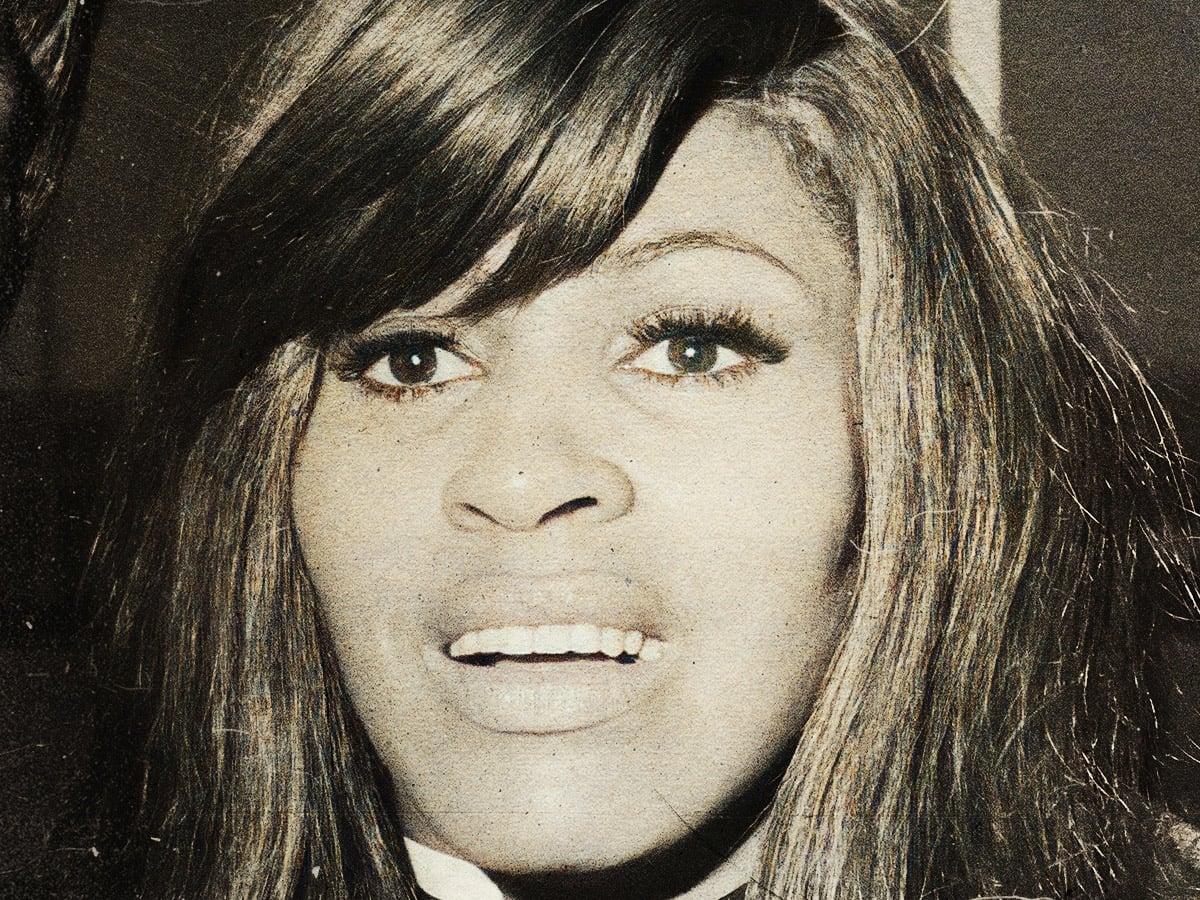
‘Nutbush City Limits’ marks Turner’s most significant hit as a songwriter and the first piece she ever penned. Adhering to the advice of remaining authentic in your writing, she crafted the track in a bid to rejuvenate her career with her husband. After facing challenges following the success of their cover of ‘Proud Mary’ in 1971, ‘Nutbush City Limits’ successfully accomplished its goal.
This song also marked a crucial personal juncture for Turner, who was enduring regular abuse from Ike. After 11 years of marriage, Turner discovered her resilience at the time through chanting, repeatedly reciting the Sanskrit mantra “Nam-myoho-renge-kyo”. Afterwards, Turner embraced Buddhism as a means to transmute her challenges into meaningful experiences.
“I used to be baffled about why I had to endure so much abuse because I hadn’t done anything to deserve it,” Turner told the Harvard Business Review in 2021. “After I began practising Buddhism, I realised that my hardships could give me a mission—a purpose. I saw that by overcoming my obstacles, I could build indestructible happiness and inspire others to do the same.”
Before Turner’s passing, she explained how much ‘Nutbush City Limits’ meant to her, deeming it her favourite among her hits. When asked which track meant the most, she responded, “I think it would be ‘Nutbush City Limits'”, adding, “I wrote the song on my own. I’m very proud of it, and I wrote it about my home town, which is where this whole journey started.”
The song retained its prominence in Turner’s repertoire even after her separation from her husband, as she continued to perform it as a solo artist. In 1991, the star revisited the track, giving it a house music treatment for her compilation album Simply The Best. Later on, she recorded it for the soundtrack of the biopic What’s Love Got To Do With It, with Angela Bassett in the lead role.
The song has drawn plaudits from Brian Johnson of AC/DC to Bob Seger – these disparate names showcasing how it escapes genre, and connects on an intense sense of feeling. It might have only peaked at 22nd in the US and fourth in the UK, but there is no doubting its place in history all these decades later.
As Mick Jagger said of her timeless influence, “She was an enormously talented performer and singer. She was inspiring, warm, funny, and generous. She helped me so much when I was young, and I will never forget her.” A fair chunk of the world feels that way to some extent.
