


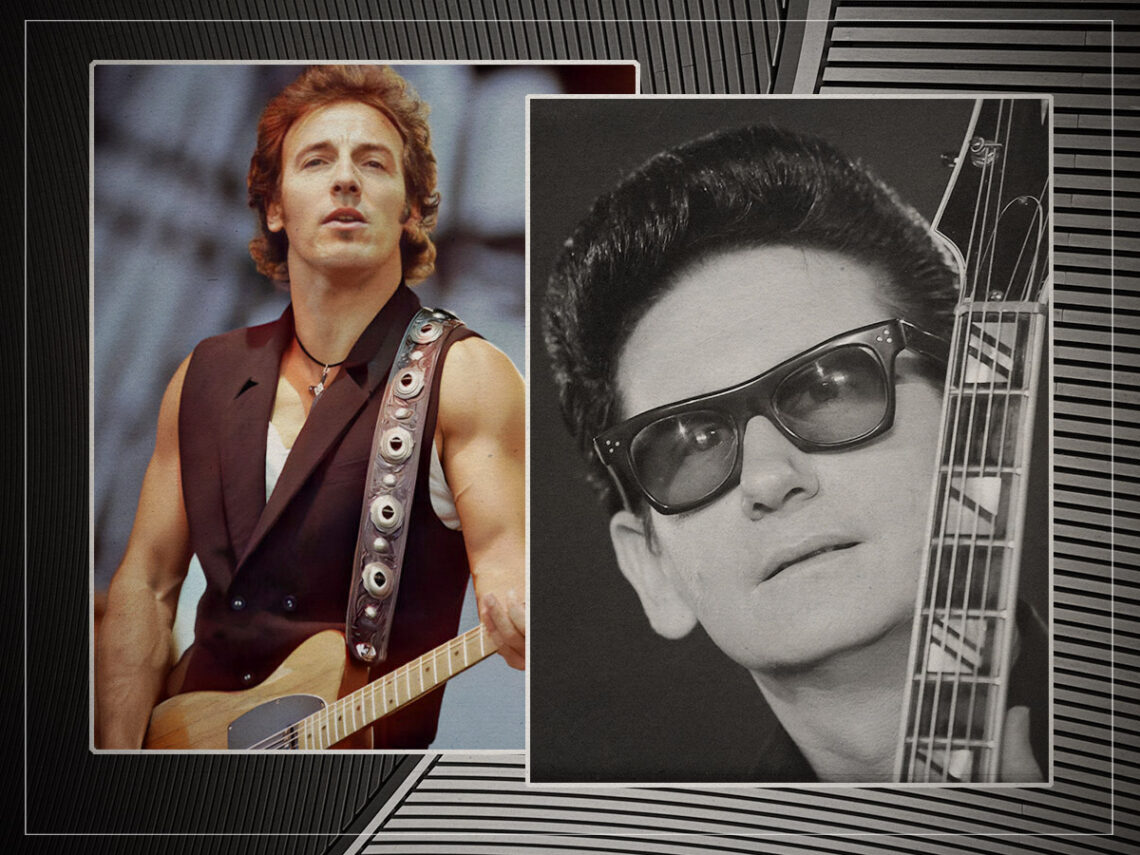
“I like to think we did”: The song that saw Bruce Springsteen match Roy Orbison

Some artists tend to write a song, and so long as the melody sounds good, they don’t pay much attention to the lyrics. They’re happy as long as the words are understandable, somewhat vague, and relatable. Bruce Springsteen doesn’t think this way when he writes, though. The lyrics need to be an exciting extension of the song, giving fans a way into his music that other artists don’t offer.
This shouldn’t be seen as a surprise. When your influences are artists such as Bob Dylan and John Lennon, it’s a given that you will want to write something with substance. Springsteen has always been upfront about wanting listeners to come away from his album the same way that he came away from Highway 61 Revisited. Not only feeling as though they have listened to something good, but also as though they have learnt something new about themselves in the process.
To do this, Springsteen relied on combining both personal experiences and elements of fiction to elevate his songs as much as possible. Everything he wrote came from a place of truth, even if it meant arriving at somewhere that wasn’t real. A great example of this is the song ‘Backstreets’, a fan favourite that you can guarantee will be belted out at every show he does, despite its sad nature.
The song is about misguided lovers. It tells the tale of a sad breakup that leaves the protagonist lost and lonely. Springsteen draws you into the story by giving the characters names. The love interest in this track is called Terry, which means you form a stronger connection with both the heartbreaker and the broken-hearted throughout. He does this in many of his tracks, as names such as Sandy, Wendy, March, and Rosie have all been used previously.
When he was asked about his inspiration behind a track like this, Springsteen said he got it from “Just youth, the beach, the night, friendships, the feeling of being an outcast and kind of living far away from things in this little outpost in New Jersey,” he said, “It’s also about a place of personal refuge. It wasn’t a specific relationship or anything that brought the song into being.”
Of course, it isn’t just the lyrics to the song that suck people in. The track’s instrumentation builds a great deal of tension throughout, as the drums focus predominantly on the toms and create a relatively brooding atmosphere. There was a clear influence behind this instrumentation, as the E Street Band drummer Max Weinberg said that he took a lot from Roy Orbison’s ‘Running Scared’.
“I guess what hit me most about it was the emotionalism of the lyrics,” he said, “I felt particularly proud to play on that record, because it was a kind of an involved drum part, it involved not playing a lot, just getting into that tom-tom figure – ba-ba-ba-ba-boom bom-boom, ba-ba-ba-ba-boom bom-boom. And if anyone’s ever heard ‘Running Scared’ by Roy Orbison, that was the kind of tension we were trying to create. And I like to think we did.”
A combination of great lyricism and intent behind the instrumentation created a beautiful blend of tension and longing in a track that is effectively about both.
