


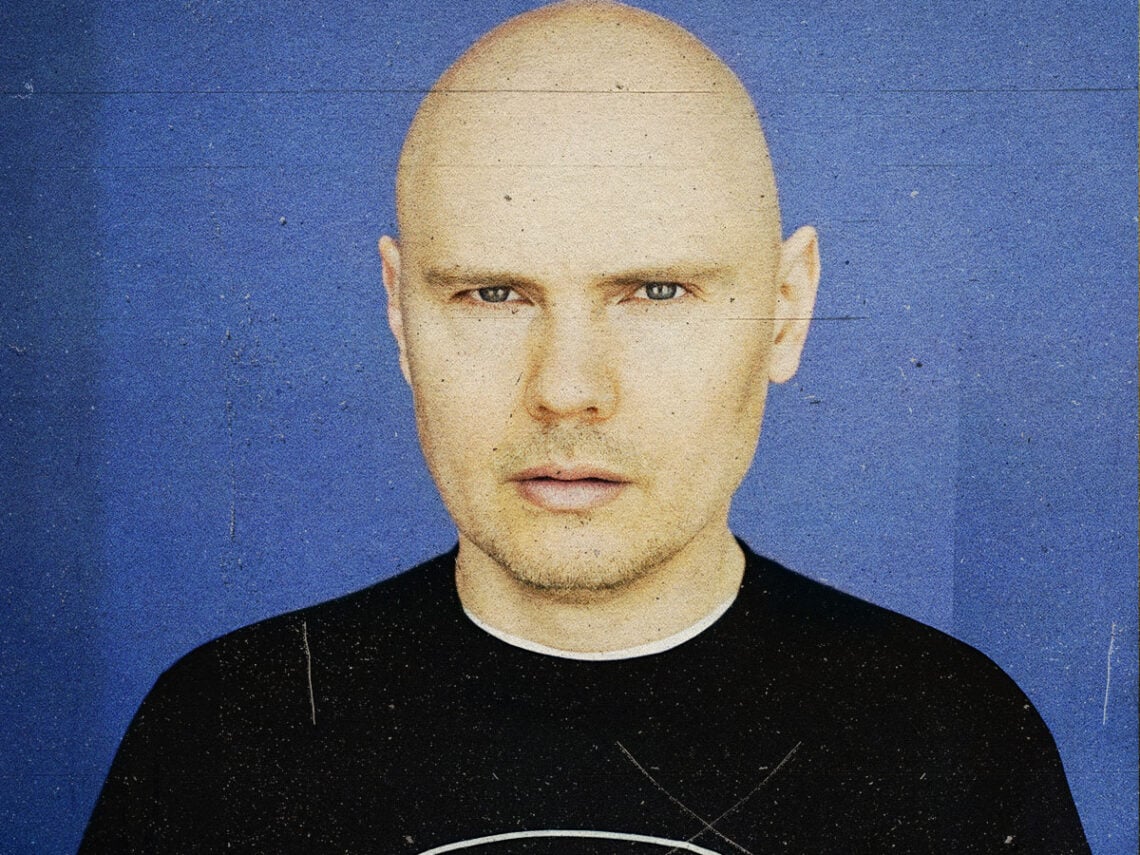
The Smashing Pumpkins album Billy Corgan called “public suicide”

As opposed to the wider landscape of American alternative rock during the 1990s, the music of The Smashing Pumpkins drew upon a wide variety of musical styles. Frontman Billy Corgan entered the music industry with an incredibly diverse arsenal of records, incorporating everything from moody goth rock to self-aggrandising progressive rock. As a result, Smashing Pumpkins never remained in one place, much to the dismay of mainstream audiences during their heyday.
For most people during the 1990s, Smashing Pumpkins arrived on the scene with their 1993 sophomore album Siamese Dream. It was this record which shot Corgan’s outfit from underground heroes to an American rock colossus, commanding the respect of both underground scenes and mainstream audiences; signalling a move in consciousness from grunge rock to something a little more broad and diverse. Of course, the success of this album was immediately followed by Mellon Collie and the Infinite Sadness.
Ultimately, Mellon Collie was Corgan’s magnum opus, incorporating so many different aspects of his own musical interests, and containing some of his strongest songwriting efforts. Topping the album charts in the US, and receiving an incredible level of commercial success across the globe, following up on the album was never going to be an easy task, and the production of Adore was certainly plagued by difficulty.
Going back to his childhood, Corgan had been waging an ongoing war against his own mental health struggles. As you might expect, the rollercoaster of success, touring, and recording with The Smashing Pumpkins caused Corgan some serious difficulties with regard to his mental well-being, particularly when interest in the group began to wane during the latter part of the 1990s.
As with any great artist, Corgan exercised many of those mental health struggles by writing about them. The 1998 album Adore is perhaps his most emotionally vulnerable work, yet it failed to continue on the run of success that had begun with Siamese Dream and continued on with Mellon Collie and the Infinite Sadness. Adore was, in many ways, a reaction to the success of those records, with Corgan later recalling, “It was like I wanted to re-experience what it felt like to not know what I was doing.”
In addition to dealing with his divorce and the death of his mother, the album also drew upon Corgan’s history of depression and suicidal thoughts. ”At different points in my life,” he revealed on the Rock Icons documentary, “I either wanted to kill myself or I committed a kind of public suicide to, in essence, do the same thing. Looking back, Adore was a public suicide.” After all, not only did the record use Corgan’s depression as a catalyst for songwriting, but its relative failure also signalled the beginning of the end for The Smashing Pumpkins.
“The record didn’t sell,” Corgan recalled. “The fans rejected it; the media as a whole rejected it. Within six weeks of the album, people were already comparing the sales of Mellon Collie to Adore, and it was over.” On the surface level, Adore was still a hit album, reaching number two on the US album charts, but it certainly failed to last in that position as long as the band’s previous effort, and it does not inspire the same lasting legacy as some of their earlier records.
Although the group would go on to release Machina I and Machina II in the year 2000, the disappointment of Adore ultimately led to the break-up of the band that same year. Of course, they would eventually regroup in 2006, but that time away from the Smashing Pumpkins limelight was essential for Corgan to find his songwriting feet once again.
