


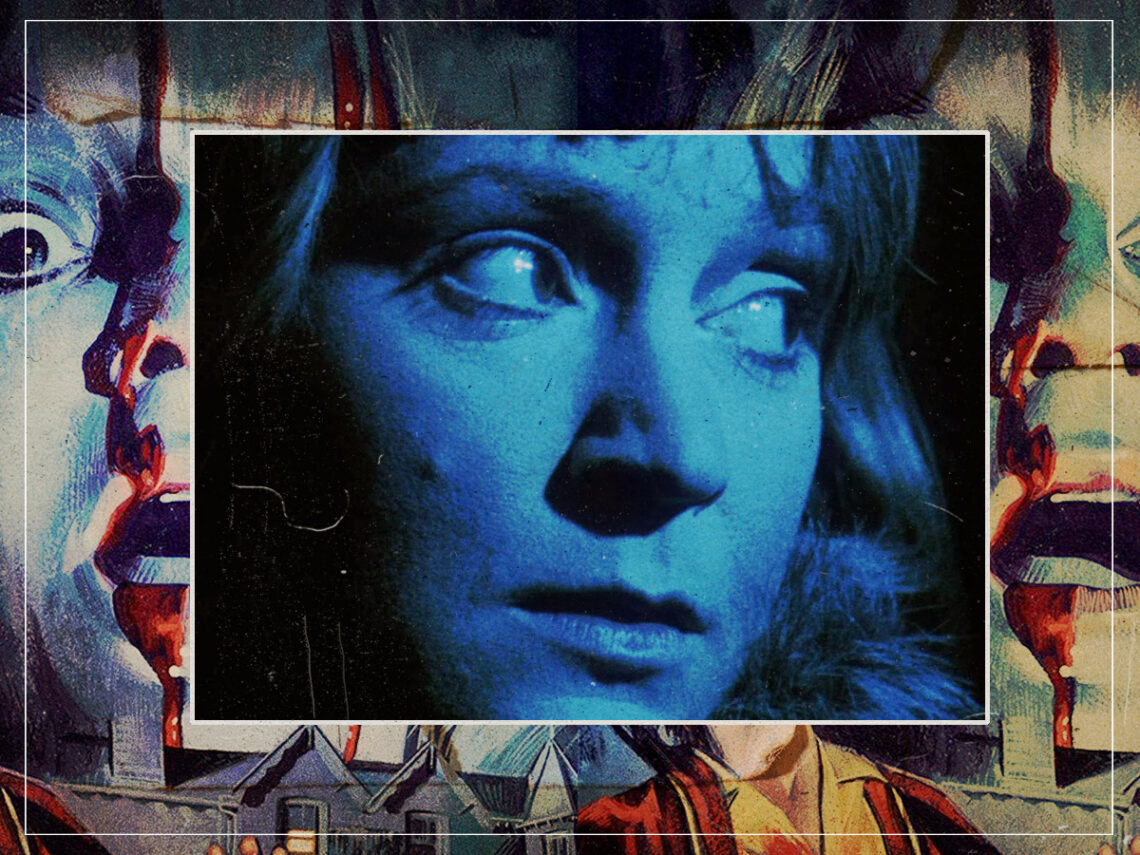
‘Sleepwalker’: the 1980s horror about the nightmare of Thatcherite Britain

British cinema used to be a welcome place for the horror genre, with Hammer Film Productions helming many scary movies during the 1950s, ‘60s and ‘70s. Tales of vampires, werewolves and other terrifying creatures were depicted, often with a slightly camp sensibility, helping the United Kingdom become one of the most significant creators of horror flicks.
While many early innovations in the horror genre emerged from British directors, such as Alfred Hitchcock with Psycho and Michael Powell with Peeping Tom, it eventually boomed in the United States with movies like The Texas Chainsaw Massacre and Halloween. While American horrors dominated the 1970s and ‘80s, most British horror films were much less popular, apart from the odd success like The Wicker Man.
There are plenty of British horror movies from this era, such as Symptoms, The Appointment and Nightbirds, which have flown under the radar. These lower-budget productions are far from anything made by Hollywood, and their recognisable settings, such as suburban English homes or the countryside, are all the more relatable – and subsequently scarier – for British audiences.
One forgotten gem is Sleepwalker, released in 1984. Directed by Saxon Logan – who typically made documentaries – the movie might only be 49 minutes long, but less than an hour is all it takes to deeply unsettle the audience. What’s interesting about Sleepwalker is its use of humour and satire, with the horror only appearing in short, mysterious flashes until the very end, when the film descends into bloody chaos.
Despite its short runtime, the movie leaves us with plenty of questions due to its allusion to themes such as dreams and sleepwalking. When bloodshed ensues, was it all real? Was it dreamt up by specific characters? The film begins with creepy images of a grand, quintessentially British house – rather unsubtly called Albion – where siblings Alex and Marion live. Logan takes an on-the-nose approach once again by giving them the surname ‘Britain’. They represent traditional Britishness, residing in the countryside, while their evening guests, Richard and Angela Paradise, come from their urban haven of London.
As the movie shows us some unnerving scenes of blood and shattered glass, foreshadowing the events to come, Alex serves up biscuits to his sister upon waking from a horrendous dream, calming her down with an injection. Clearly, Marion has difficulty getting a good night’s sleep, but has she dreamt the future, or are the events we witness later on simply a product of her imagination?
After a storm causes a window to break – the glass shattering over the freshly prepared food – the group go to a restaurant. Here, Richard and Alex clash, with the former representing the kind of neoliberal individual that Thatcher’s Britain promoted. He loves money and wants to become a politician, whereas Alex is considerably more left-wing, finding himself unable to contain his irritation with Richard’s pompousness and selfish nature.
When they return to the house, sexual tension gives way before a series of murders take place. The movie is at once unsettling and humorous, with one of the deaths occurring with a particularly camp sensibility, although it is uncertain whether this was done on purpose or not. Sleepwalker is a relatively short watch that reflects the uniqueness of British horror filmmaking. It’s an atmospheric and experimental gem that you won’t have seen anything quite like before, an underrated piece of cinema that will leave you perplexed and gasping for more.
