


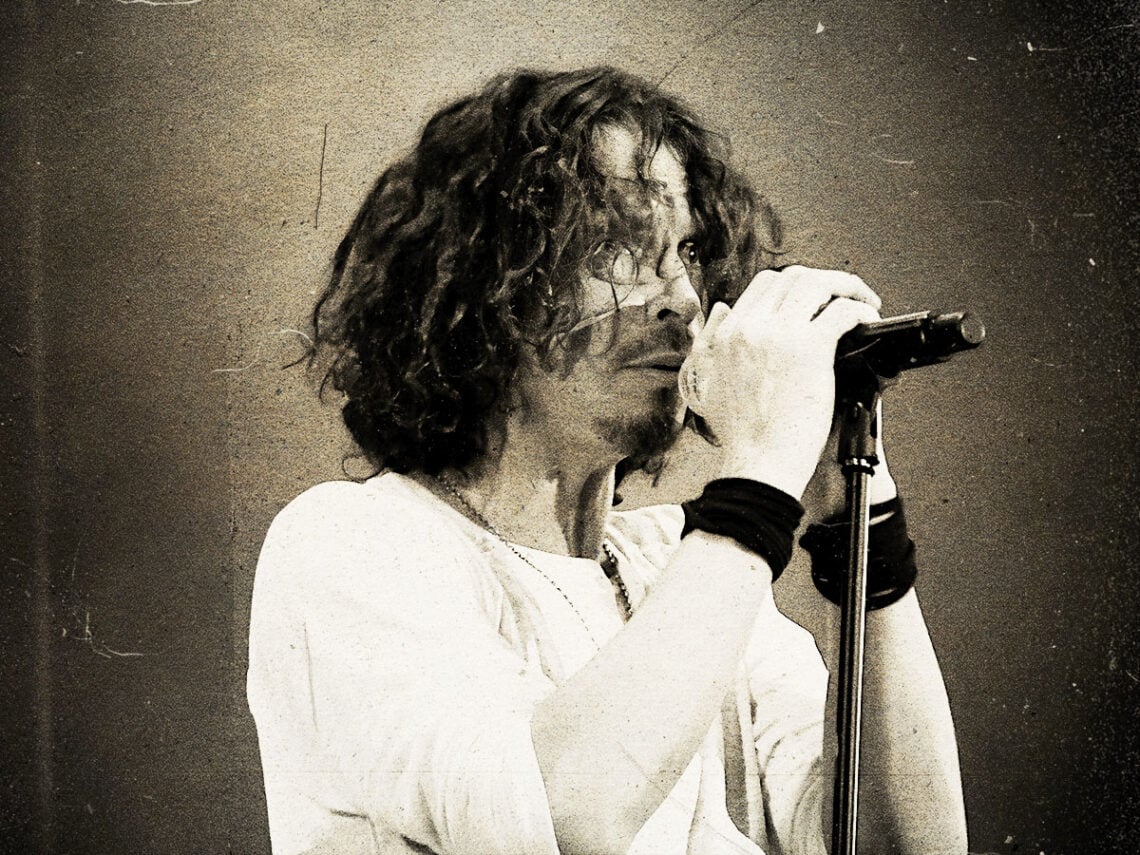
The singer Chris Cornell said has gone where no one else has before: “I just don’t hear a lot of amazing singers”

The former Soundgarden frontman Chris Cornell charted the underground Seattle scene’s storied history from its earliest roots. Playing in a covers band as far back as 1984 with future Soundgarden members Kim Thayil and Hiro Yamamoto, the trio dropped The Shemps’ band name and adopted their more famous moniker later that year, playing their second official gig with Melvins and Hüsker Dü. Initially on drums, Cornell stepped solely behind the mic and gifted rock with one of its most expressive and powerful bellows.
Before Nirvana had pushed the genre labelled grunge and the broader alternative rock explosion to the peaks of mainstream appeal—1991’s Nevermind knocking Michael Jackson’s Dangerous off the Billboard 200 top spot—it was Soundgarden placing Washington state’s working-class logging city on the music map. Having cut the Screaming Life and Fopp EPs with the nascent Sub Pop Records, Cornell and his psychedelic hardcore outfit had already been nominated for a Grammy Award and signed to the major A&M label before ‘Smells Like Teen Spirit’s impact on the pop charts.
Soundgarden rode the grunge wave they were instrumental in bringing about, commercially peaking with 1994’s Superunknown as one of the defining records of Seattle’s 1990s domination. Following their first hiatus in 1997, Cornell pursued an intrepid solo career that flexed his eclectic formative influences and broad tastes for the trends around him, across folk rock to Timbaland electropop heft, his core magic that coursed throughout was his celebrated vocal command.
Gifted with a multi-octave baritone that could veer between croon and falsetto with ease, everybody from Axl Rose, Ronnie James Dio and Eddie Vedder praised his unforgettable howl—Alice Cooper even revealed his entourage nicknamed him ‘The Voice’ in a statement following his death in 2017.
Naturally, one of the most celebrated frontmen in rock’s opinion on his peers was eagerly sought by the press and curious music fans over the years. Praising Radiohead’s Thom Yorke while also appreciating the Butthole Surfers’ Gibby Haynes’ unorthodox caterwhaul, Cornell held a wide criteria for the vocal performances he loved, seeking only a core of human authencitiy with the music that grabbed him. When it came to innovation, however, only one artist truly came to mind.
“I’ve had this problem lately where people ask me what I’m listening to now. I don’t know. What’s a good album that came out lately? I just don’t hear a lot of amazing singers,” Cornell confessed to Alternative Press in 2017. “Tom Waits is a singer who has done things with his voice that no one has ever really done over a long period of time”.
Pursuing an even deeper scope of eccentricity and creative u-turns, nightfly jazz poet turned junkyard rust raconteur Waits reached a pivotal moment in his career when his distinctly coarse and gravel-stricken vocals became as malleable as the whirring vaudeville art blues that pepper his wildly eclectic oeuvre.
From Closing Time‘s bluesy folk to Sworfishtrombones‘ rag-and-bone surrealist cinema, Waits’ place in Cornell’s fan affections speaks to the myriad of dimensions that constitute a ‘good voice’ beyond mere hitting notes and how dialled up one’s decibel levels can go.
