


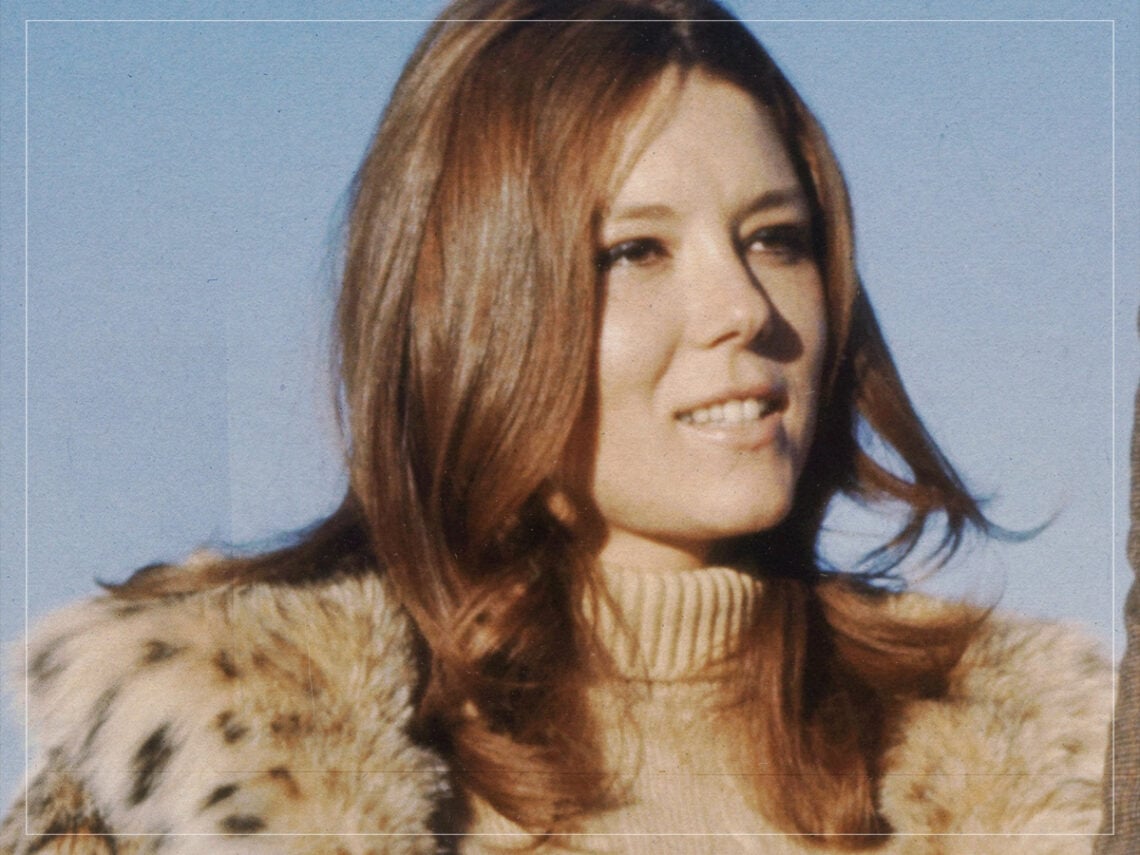
The simple 1965 request Diana Rigg was vilified for making: “It’s so depressing”

Diana Rigg was a British icon, and for many women back in the 1960s, she was somewhat of a feminist icon, too – her character in The Avengers known for her intelligence and wit.
The ‘60s was a time of burgeoning second-wave feminist thinking, but for much of the decade, women were still marginalised on screen. You only have to look at how Bond girls were so often treated as sexual objects rather than fully fleshed out individuals. Interestingly, though, Rigg would become a Bond girl in 1969, with her character, Contessa Teresa ‘Tracy’ di Vicenzo, even standing as the only woman in the entire franchise to wed 007 himself.
Before she became one of the greatest Bond women in the series, though, Rigg was best known for her role as Emma Peel in the popular TV series The Avengers, stepping in as a replacement for Honour Blackman, who, of course, went on to star as Pussy Galore in Goldfinger. On the surface, the role might have looked like it was made with the male viewer in mind – Emma’s leather catsuit captured many people’s attention – but she soon proved to be a lot more than an objectifiable sidekick. Rigg’s strong and captivating performance as Emma turned her into a feminist hero.
Behind the scenes, Rigg also made a move that asserted her feminist status. You see, the actor came to discover that she was being paid way less than her male counterparts – even the cameraman – and she knew that there was absolutely no reason for this other than her being a woman. That just wouldn’t do.
While she was pocketing £90 a week, the cameraman was getting £120, and she couldn’t understand why her leading role alongside Patrick Macnee’s John Steed was worth so much less. “I made a bit of a stink about it. At the time, it was considered very bad form to suggest that you were not getting enough,” she told The Times.
“I didn’t stamp my foot. All I said was, ‘Look, this is unfair,’ and I got double, £180. It still wasn’t a huge amount. Any argument about money is ugly, but at the same time, I felt I was being exploited, and I had to put a stop to it,” Rigg explained.
Yet, in the aftermath of her request, the actor admitted to feeling vilified and unsupported, even by other women. “Not one woman in the industry supported me when I demanded more money after finding out the cameraman on The Avengers was paid a lot more than me. Neither did Patrick, though I never held it against him, I adored him,” she told The Guardian in 2019. “But I was painted as this mercenary creature by the press when all I wanted was equality. It’s so depressing that we are still talking about the gender pay gap.”

Rigg would star in 51 episodes of The Avengers, receiving her wage increase after 12 episodes. While it was taboo to address issues of money, especially as a woman, Rigg paved the way for the pay gap to be spoken about in the mainstream – although the issue still persists today.
Decades on, and the pay gap between male and female actors remains strikingly large, with the average female star earning over $1million less than her male co-star. It’s something that seems like it’s never going to change, even though women like Rigg have been campaigning against it for years.
