


The Island Records story: how a shipwreck led to Bob Marley and the reggae explosion

When you think of Island Records, there might be a number of names that spring to mind from their earliest years as a label, with Nick Drake and Cat Stevens being two iconic folk acts signed to their roster in the 1960s and ‘70s. As they developed over the years, bigger names came to be associated with the label, with once U2 and PJ Harvey, and now we have artists such as Chappell Roan and The Last Dinner Party gracing their books.
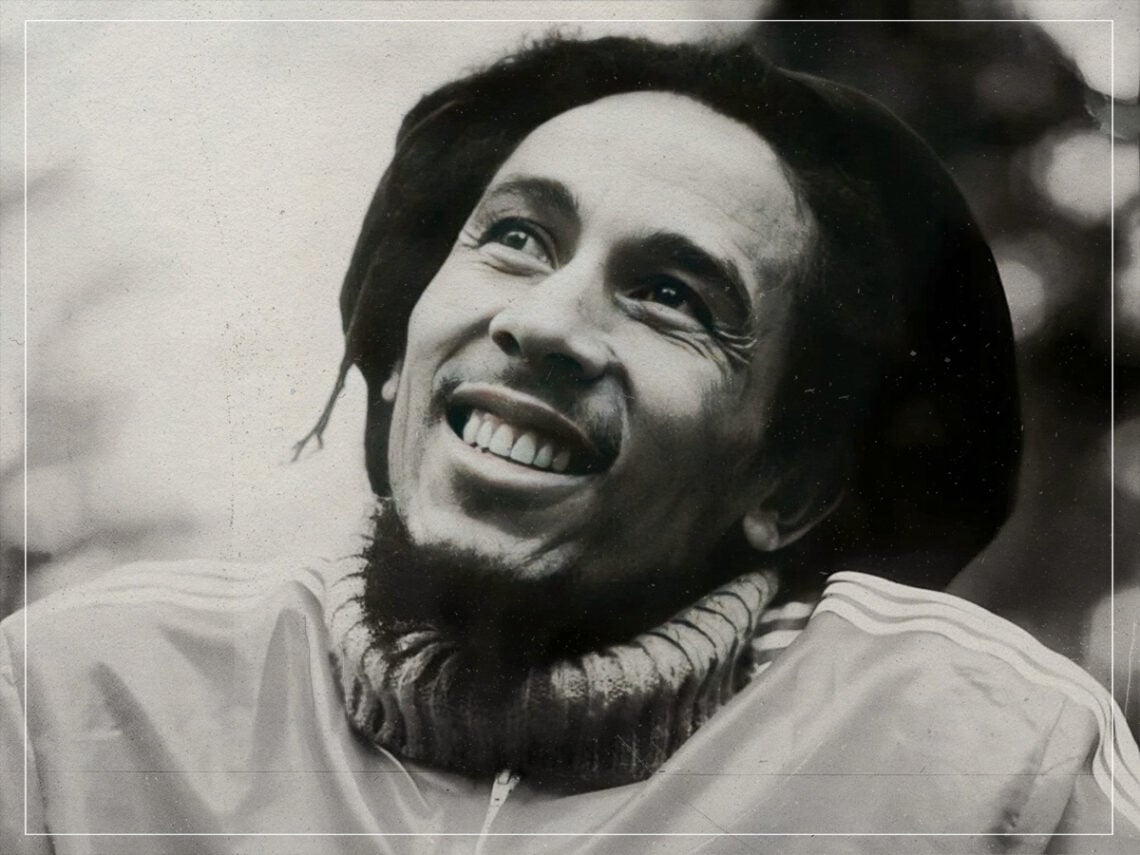
However, the label’s initial flagship artists came from Jamaica, the island nation where the label was born in 1959. Among the earliest acts discovered and released on the label were Toots and the Maytals and Jimmy Cliff, but the biggest Jamaican name to be associated with the label was Bob Marley. Signed in 1973 for the release of Catch a Fire, he and his band, The Wailers, would go on to become the most notable reggae act in the world.
While Marley’s talent as a songwriter would have carried him a long way, the primary person responsible for his significant rise was the label’s founder, Chris Blackwell. Born in Westminster to a mother who was a Jamaican heiress, Blackwell found himself living in Jamaica from a young age. However, the world he was brought up in was one of affluence, and reggae was a style of music born from earlier genres such as ska and rocksteady that were born out of working-class struggles—so how did he end up becoming such a prominent figure in the genre?
In 1959, when Blackwell was 21, he embarked on a boat trip that went awry and was shipwrecked in a coral reef off the island’s coast. When some local Rastafarians came to his rescue, they tended to him, and he became immersed in their culture, specifically the music they were playing him. While it wouldn’t have been known as reggae until much later, the style and its vibrance resonated with Blackwell so much that he requested his wealthy parents to lend him $10,000 so he could set up his own record label, dedicating it to the discovery of the island’s rich musical innovation.
Only three years later, Blackwell relocated to London to further establish the label, and while the genres that they were releasing became broader, there was still a focus on championing acts from the Caribbean. The label would score a huge hit with Millie Small’s ‘My Boy Lollipop’ in 1964, but the greatest success they had was when Marley joined the label in 1973.
Jimmy Cliff had only recently departed the label, and Blackwell was after another reggae act with the potential to score mainstream success. When he finally landed upon the music of Bob Marley and The Wailers, who had recently been unfortunate to lose out on another offer, they would strike up a deal to write Catch a Fire in an incredibly short window with an advance of just £4,000. The album was a moderate success, but the group would eventually go on to release several hit singles and albums, racking up a total of 75million album sales worldwide to this date.
While Marley, unfortunately, passed away in 1981, his legacy remains strong, and if it hadn’t been for the intervention of Blackwell and his label, the explosion of reggae as a global phenomenon may never have happened, or the scene would have looked a lot different. If it hadn’t been for the shipwreck, we might have never even had Island Records either.
