


‘Shame and Money’ review: an upsetting indictment of capitalism

The winner of the Grand Jury Prize Dramatic for World Cinema at the Sundance Film Festival went to a small Kosovan drama about the collapse of an extended family. It’s not just a deeply depressing story, but an infuriatingly relevant one.
Everyone has one relative that they can’t quite quit on, regardless of how many mistakes they’ve made. In tough times, families stick together and can even manage to end old wounds. That’s not what happens in Shame and Money, the morose, uncomfortable psychological drama from German–Kosovan filmmaker Visar Morina. It’s a film about betrayal and examines how one act of selfishness can ripple for generations.
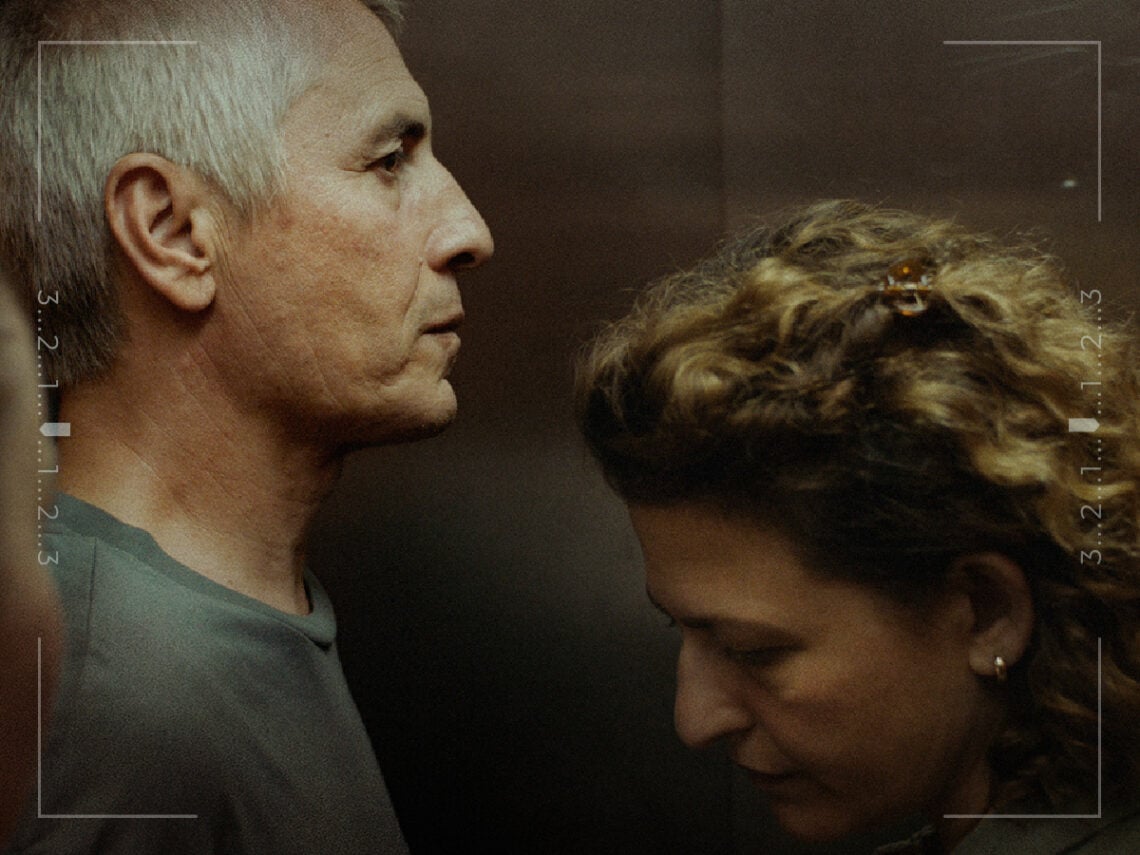
While Shame and Money is ostensibly set in the modern day, it presents a reality that feels timeless; the farmers Shaban (Astrit Kabashi) and his wife, Hatixhe (Flonja Kodheli), live in a small home that has belonged to their family for generations, where they tend to their cows. Living with them are their young daughters and Shaban’s mother (Kumrije Hoxha), who has begun to show signs of debilitating health conditions. Their work is tireless, but it’s only for the purpose of meeting ends meet.
Shaban isn’t necessarily a warm and fuzzy character, but he’s carried himself with a sense of dignity that’s earned him the respect of the other members of his community, even if they rarely interact. A request from his brother Liridon (Tristan Halilaj), the family’s black sheep, seems simple enough, as Shaban is susceptible to the request for financial assistance.
Shaban’s gullibility is the first sign that he’s not fit for a world of contemporary capitalism, in which those without the means to provide for themselves are forced to fight tooth and nail against one another. Liridon steals the money and leaves without a trace, leaving Shaban and his family to move to the big city in search of work.
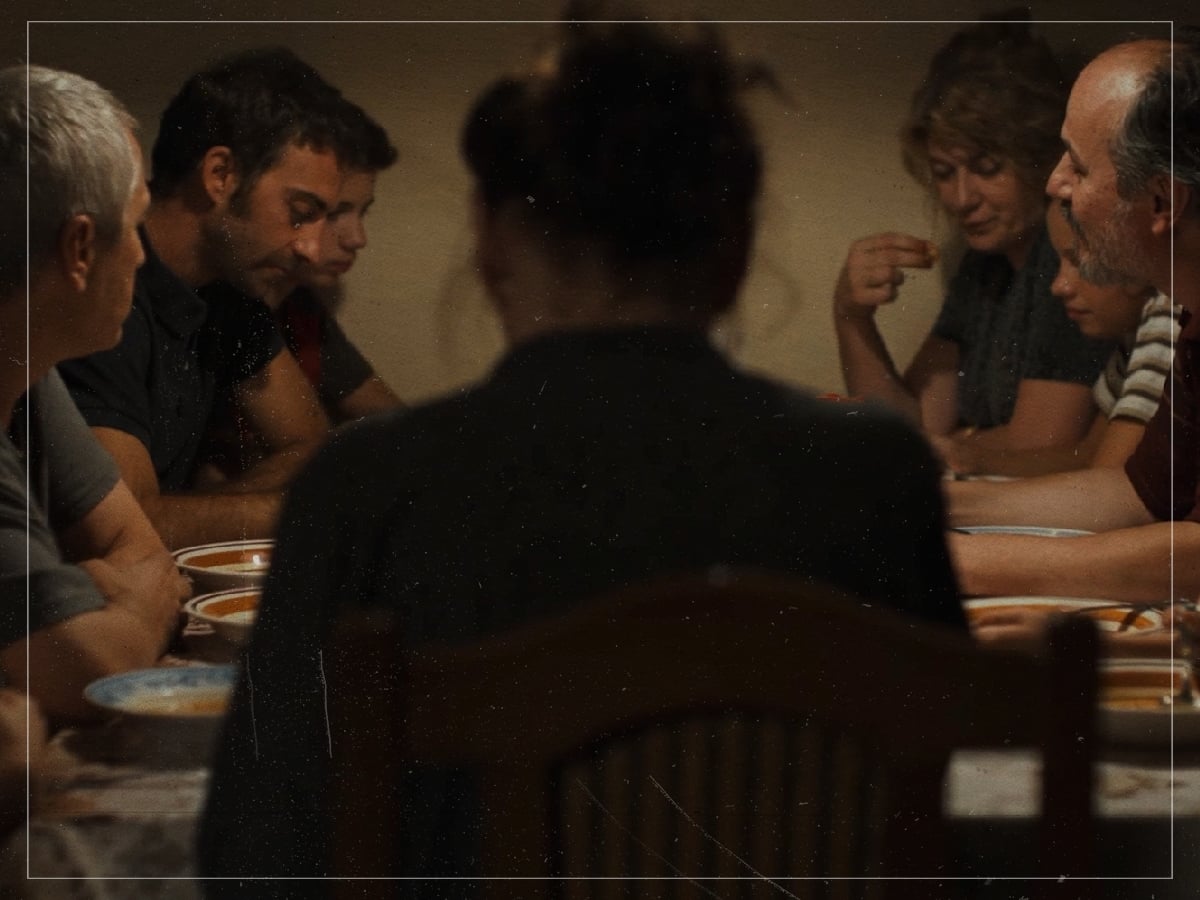
Shame and Money isn’t permeated by shouting matches or heart-stirring monologues of desperation. Rather, Morina stages a tragedy in which indignities stack on top of one another, becoming impressive. Although Shaban has become a tradesman, he’s educated, thoughtful, and intelligent; nonetheless, the nation’s ruthless job market ensures that he doesn’t have much of a fighting chance unless he’s willing to sacrifice any notion of pride. The performance from Kabashi is phenomenal because Shaban’s hesitations are felt purely through the subtleties within his physical behaviour. Shaban may not have concern for his own livelihood, but he’s unsure of what precedent he could be setting for his children.
The title refers to the unusual relationship between personal perception and monetary value, which are linked from the beginning of the story. Beyond the fact that Shaban’s family can no longer afford their generational home, Hatixhe fears that they will be shamed for bearing any relation to a known thief. The chance to start anew isn’t possible when they require a contact to earn them new work, which is why Hatixche bridges contact with her sister Adelina (Fiona Gllavica) and her husband Alban (Alban Ukaj). It’s another shame that Shaban has come to endure, as asking for assistance from his wife’s family is, in his eyes, an admittance of his failings as a man.
The methodical nature of Shame and Money does not make it an easy watch. At times, there’s such a grim escalation of paranoia and stress that it would seem that Shaban’s family is entirely humourless. The supporting characters, namely Adelina and Alban, aren’t as big a factor in the second half of the story as it is the core family unit that emerges as the ultimate focus. There are instances in which the job searching can feel derivative, but the palpability of the frustrations is certainly an intentional choice on Morina’s behalf.
The sinking dread that things will not get better nearly draws from the horror genre at points, but that doesn’t mean that Shame and Money is entirely deprived of beauty. Even in the darkest points, Shaban’s love for his children feels absolute. It’s evident that Morina has admiration for his country, even if he’s unclear about the direction that it has taken.
Within the lineup of the Sundance Film Festival, Shame and Money seemed like an odd selection. The festival has slowly become the destination for American films that are heart-warming or speak about issues in the broadest possible ways, making it unusual for such an austere international title to make its premiere. Nonetheless, Shame and Money is the type of challenging cinematic experience that is needed, and hopefully, one that will receive a greater spotlight.
