


‘Scandal’: The cinematic retelling of a major British political scandal

There’s a beauty to the cinematic medium in how it can provide an account of the most infamous accounts of historical occurrences, particularly in the field of politics. While the likes of All the Presidents Men and JFK have detailed the important events in the United States political history, when it comes to British politics, Michael Caton-Jones’ 1989 film Scandal equally provides a fascinating insight into one of the United Kingdom’s most notorious political wrongdoings.
Scandal focuses on the infamous Profumo affair that occurred during the governmental leadership of Prime Minister Harold MacMillan. The incident revolved around the Secretary of State for War of MacMillan’s conservative government and the affair he had with a young model by the name of Christine Keeler that began in 1961, despite being married to the actor Valerie Hobson.
Profumo denied the affair when making a statement to the House of Commons in 1963, although a subsequent police investigation determined that he had lied. The fallout of Profumo’s affair led to a damaged reputation for MacMillan’s government, and in October 1963, he resigned as Prime Minister. In the general election the following year, the Labour Party won a majority, which many believed had resulted from the Profumo scandal.
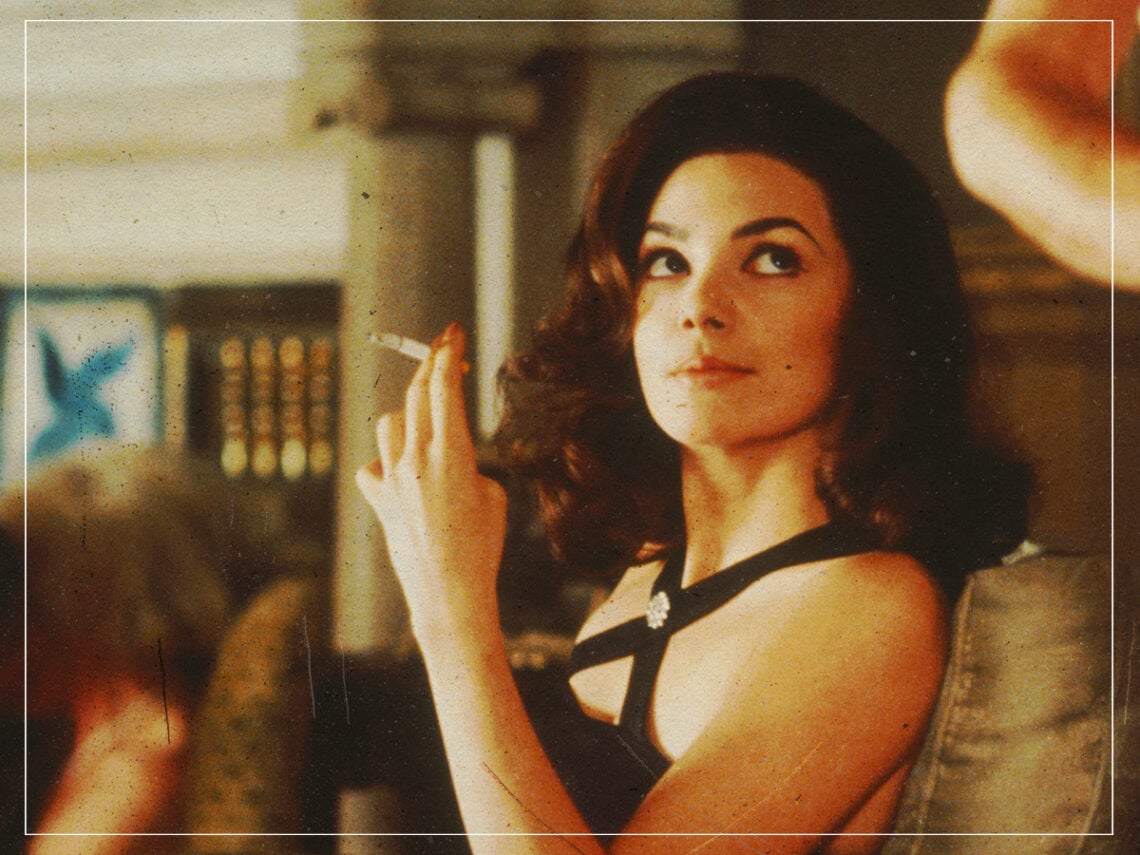
Caton-Jones’ historical drama saw Joanne Whalley play Christine Keeler, Ian McKellen play John Profumo, and John Hurt play Stephen Ward, an osteopath and artist who had first introduced the pair in the summer of 1961. While the affair itself might have been brushed under the rug under normal circumstances, it became a matter of serious importance when it was discovered that Keeler had also been involved with a Soviet naval attaché by the name of Yevgeny Ivanov, which raised concerns about national security during the height of the Cold War.
Scandal provides a sensationalist and seductive account of the high-society parties and meetings that led to the widely-publicised and controversial affair and its subsequent political fallout, showcasing the hedonism of British politics in the mid-20th century and the immoralism that dominated the early 1960s. At the centre is Ward, who largely became the scapegoat for Profumo’s actions, and his subsequent trial for living off immoral earnings resulted in his suicide.
The film also serves as an important piece of the British political puzzle that examines the reasons for the shifting of power from a Conservative government to one held by the Labour Party. Scandal was released to critical acclaim, with many highlighting the excellent performances of Hurt and Whalley. However, the real-life figures whose lives had been the subject of the film argued that creative liberties had been taken by Caton-Jones in order to create a more dramatic effect.
Profumo himself had been extremely embarrassed by the release of Scandal, particularly considering the opinion of his parents. “I never felt sorrier for them in my life,” he had once admitted. Still, the controversial film had to be entertaining in order to be successful, and it’s often the case with the most notorious political scandals, in which their dramatisations simply have to ramp up the most sensational aspects.
In essence, though, Caton-Jones’ film explores at great length the web of power and privilege that dominates the political area and details the most significant political consequences that can occur as a result of an individual’s most immoral actions. The Profumo affair rocked the British government in the early 1960s, and in the late 1960s, Scandal equally rocked the British cinematic landscape.
