


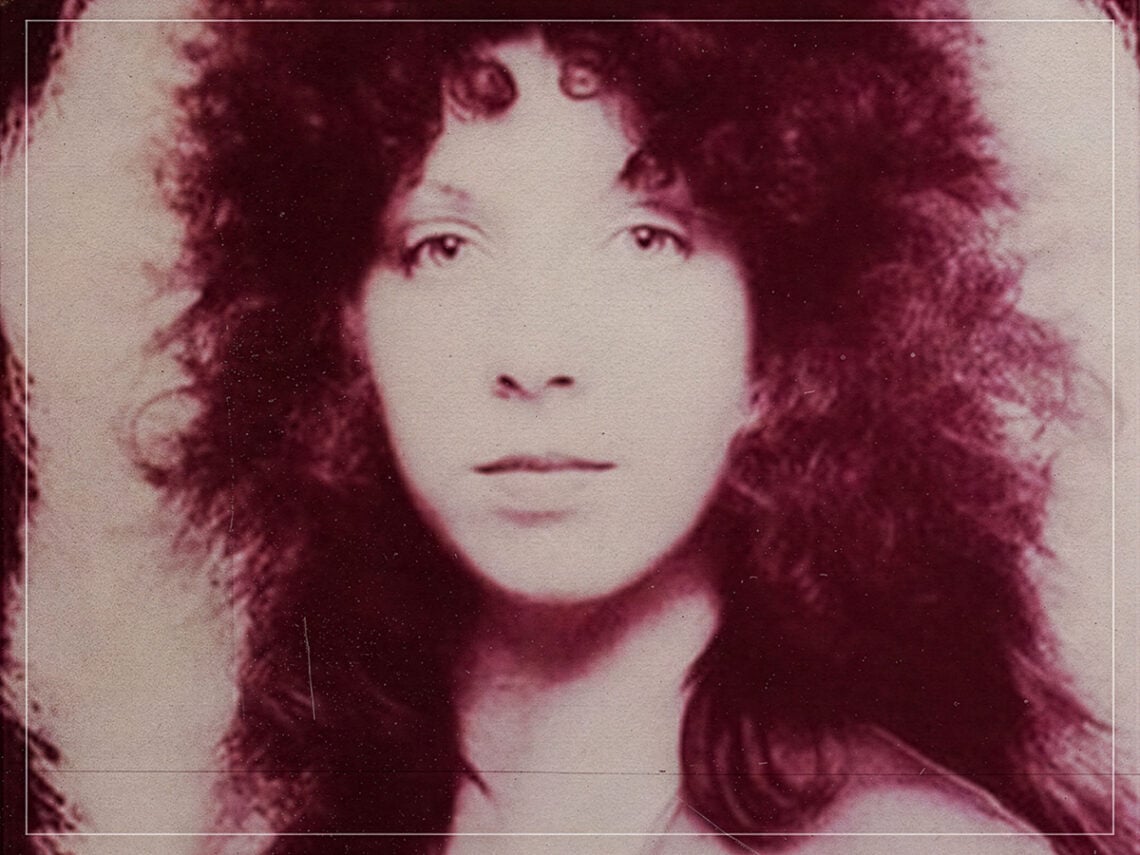
Ruby Starr: The tragic life of the forgotten 1970s icon

Constance Henrietta Mierzwiak was the name. Ruby Starr was supposed to be the sparkling 1970s icon, but tragically, she never got to fulfil that fate.
It seemed to start off so well for the Ohio singer, being compared to the startling voice of Janis Joplin and being signed by none other than Curtis Mayfield. But Starr’s story is testament, more than ever, that despite the constellations being aligned in one’s favour, not everything is destined to work out, and not all that glitters is gold.
Yet at the same time, it was the case that every era of Starr’s life came with a new alias; a sign that things were never going to fully stick. She knew from an early age that Mierzwiak was not the name under which she would shoot to stardom, and so when she started performing country music at the tender age of just ten, she assumed the stage name of Connie Little under her band, Connie and the Blu-Beats.
The years that followed also came with a slew of new names and bands – she was in the Downtowners, then the Blue Grange Ramblers, and changed her name to Ruby Jones when joining the band of the same name in 1969. It was two years later, in 1971, that they were signed to Mayfield’s label, Curtom Records, to record their eponymous debut album. From there, things looked on the up.
To an extent, however, Starr clearly had a whimsical spirit at the heart of her musical ambitions, as shortly after the first Ruby Jones album, she was persuaded on the spot to drop her band and join Black Oak Arkansas by their lead vocalist, Jim ‘Dandy’ Mangrum, after hearing her perform in Indiana.
With that, the Ruby Starr persona was born, but it was not the secret key to unlocking her trajectory to the stratosphere. Her tenure in the ‘70s certainly involved plenty of brushes with stardom, between working with Black Oak Arkansas, forming her own band with Ruby Starr and Grey Ghost, and opening for major acts like Black Sabbath and the Edgar Winter Group.
And yet, even despite all this, nothing could ever seem to free Starr from the locked circuit of the club scene – not that there was anything wrong with that, but it exemplified exactly how an artist of her calibre could easily fade into relative obscurity. Towards the end of the decade, life on the road had grown somewhat tiring, and she set up shop in Milwaukee.

With a comfortable local popularity and a slew of road bands under her belt, Starr was the epitome of someone who knew all the ropes of the music industry without ever reaping much of the reward. Indeed, in the antithesis to the meaning of her name, she was a grafter of a singer and performer, without getting much of the star that often comes with it.
An early 1990s stint in Las Vegas was the ultimate manifestation of being within touching distance of the destiny she was always meant to fulfil, but then tragedy struck. After being diagnosed with brain and lung cancer, Starr returned to her home in Ohio and sadly died in 1995 at the age of 45. She was a star that never got to blaze at its brightest, but whose impact was never forgotten.
