


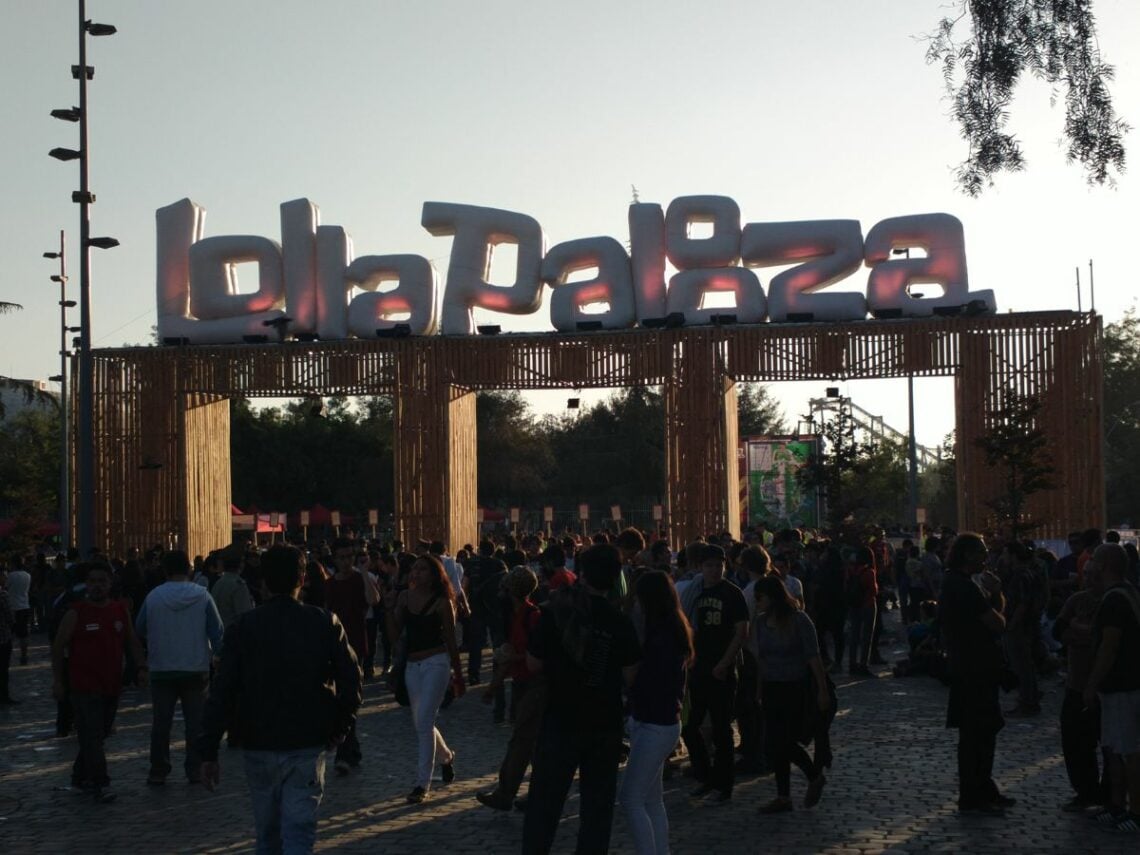
Rock is dead at Lollapalooza 2025, and Riot Fest helped kill it

Back in 2005, when Lollapalooza ceased being a touring rock ‘n’ roll circus and settled into middle age as a one-off weekend in Chicago, it marked the beginning of a new era rather than the end of one. Lolla, originally organised by Jane’s Addiction frontman Perry Farrell in 1991, was now adopting the 21st-century playbook as a stationary superfest, a la Coachella (launched in 1999) and Bonnaroo (2002), which in turn were following more of the UK format pioneered at Glastonbury and Reading.
Of course, the state of Illinois alone is larger than the entirety of England, so no single American festival could ever quite serve as a singular nationwide music destination like Glastonbury does. As it has been throughout US history, though, Chicago is the most logical place to draw a crowd; it’s how the blues got there in the first place. The city can easily entice drivers from across the Midwest and Great Lakes, flyers from both coasts, and even riverboat gamblers from the South if they’re so inclined. As a result, by 2006, the city suddenly boasted not one, but three major rock-oriented super festivals: Lollapalooza (held in Grant Park), the Pitchfork Festival (Union Park), and Riot Fest, which started out as a multi-venue concert series but settled into a giant patch of grass (Humboldt Park) in 2012.
These three festivals never went head-to-head with each other, as the sort of generic “alternative rock” sound at the meeting point of their collective Venn diagram certainly drew many of the same attendees. Each fest did intentionally cater to a slightly different clientele, though, as Lolla used its superior acreage to draw more of the current A-list and in-demand acts (the Red Hot Chili Peppers headlined in 2006 with disparate local heroes Wilco and Kanye West near the top of the undercard); Pitchfork drew its own minted indie darlings (which meant the likes of Devendra Banhart, CSS, and The National in ‘06); and Riot Fest preached to the punk and punk adjacent crowd, often playing the “reunion” card to great promotional effect (Chicago punk icons Naked Raygun returned from a 10-year hiatus at the first event in 2006).
Obviously, the gradual tectonic shift in the musical tastes of the American festival-going public, not to mention their motivations for attending a festival in the first place, made it impossible for the peak festival ecosystem of the 2000s to survive. Chicago, in a way, is the perfect microcosm for the same sorts of change evident in music fests all over the world.
First, following the purchase of Pitchfork Media by Conde Nast and the latter’s subsequent absorption of that once mighty website, it was announced that the Pitchfork Music Festival would be scrapped in 2025, on what would have been its 20th anniversary. At the same time, Lollapalooza, entering its own 20th year as a Chicago-based festival, read the tea leaves and booked its first slate of headliners without a rock band in the mix. With the main stages at Lollapalooza 2025 occupied by Olivia Rodrigo, Tyler, the Creator, Sabrina Carpenter, Luke Combs, and A$AP Rocky, festival organisers sent a clear message that Lolla wasn’t just evolving beyond its rock roots, as it rightfully was throughout the 2000s. It was now largely parting ways with them entirely and bowing to the pop, country, and hip-hop preferences of the TikTok generation (with slight apologies to Korn and Cage the Elephant as Lolla’s “token” guitar bands this year).
In the past, Lollapalooza organisers might have seen the demise of the Pitchfork Festival as an impetus for bringing on more “indie rock” bands to fill that hole—but that job has been ably covered by Riot Fest, which has essentially helped deliver the death blow to Lolla’s rock era by handling that whole chunk of the business themselves. Now held in Chicago’s Douglass Park over three days in September, Riot Fest has emerged as one of the premier rock festivals in the world, drawing a lot of the middle-aged crowd by basically building the exact sorts of line-ups they would have seen at Lollapalooza 20+ years ago. The emphasis is punk/indie, with welcome pops of hip-hop (Rico Nasty is booked for 2025) and metal (Slayer played last year).
This year’s Riot Fest headliners include plenty of former Lolla main-stagers like Green Day, Jack White, Weezer, and Blink-182, along with its usual mix of punk, emo, and ’80s icons (Sex Pistols, Buzzcocks, Bad Religion, The Damned, Dropkick Murphys, Alkaline Trio, James). But there’s also a nod to the old Pitchfork crowd, with a reunion show from Rilo Kiley and sets by Idles, The Hold Steady, Sparks, Shonen Knife, and yes, even “Weird Al” Yankovic (the gender balance is, admittedly, an ongoing flaw).
In 2025, Perry Farrell’s old Lollapalooza is now as guitar-less as a Jane’s Addiction show after a Perry Farrell attack. Rock is still alive in the Windy City, however, thanks to Riot Fest, where more of the bands and the fans are grey-haired, the fashion is inferior, and TikTok is kept to a bare minimum.
