


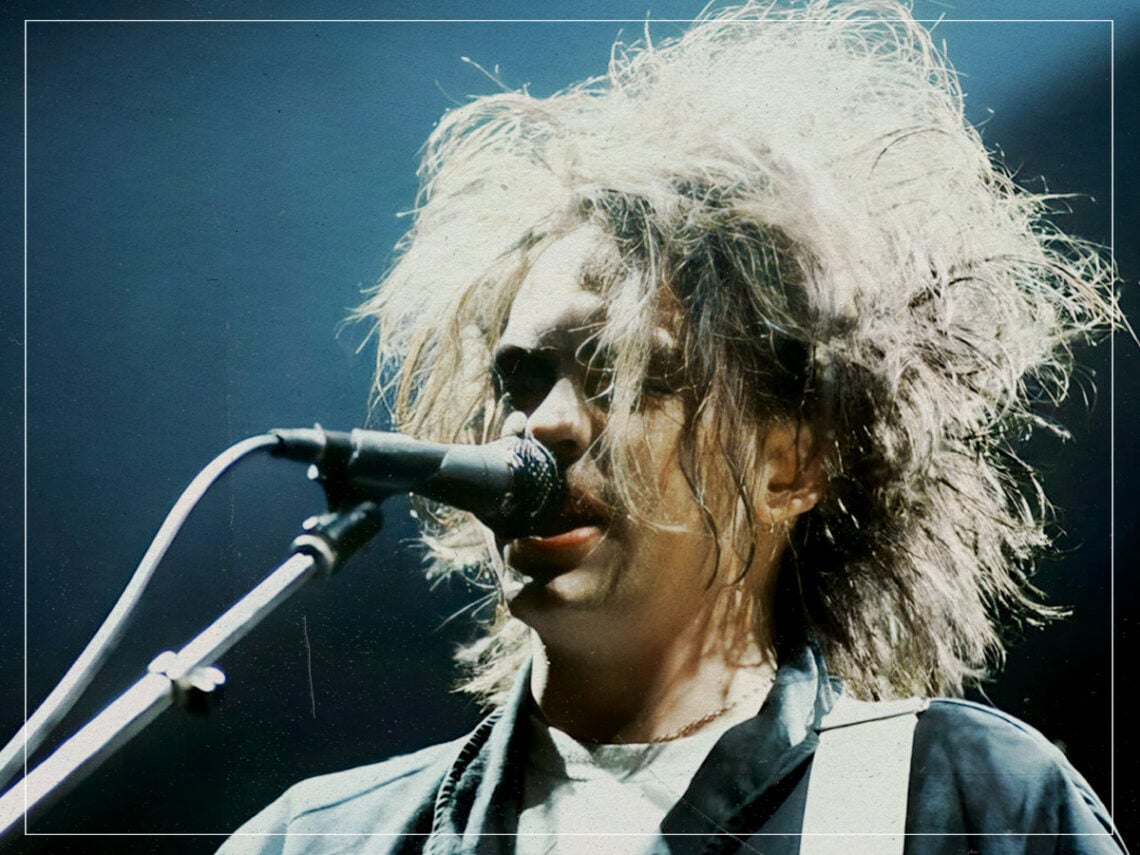
‘Lovesong’: Why Robert Smith was gutted his own song became a hit

As much as The Cure transformed themselves into a much-loved band throughout the latter part of the 20th century, an appreciation that has only seemingly grown in the years since, the band weren’t exactly successful in the singles charts for much of their career.
Despite the ubiquity of songs like ‘Boys Don’t Cry’ and ‘Close to Me’, neither song managed to crack the top ten in the UK, where the majority of the band’s audience was in the early parts of their career. Primarily a post-punk and gothic rock outfit in their earlier years, these slight diversions towards a pop-oriented sound would have seemed like the most likely candidates for pushing the band towards the mainstream, but at the time, not enough people were interested enough to be able to elevate them higher.
Although there was little reward for their brilliance in this regard until the mid-1980s, when ‘The Lovecats’ saw them enter the top 10 for the first time, their albums were always well-received, frequently finding themselves entering the higher positions in the album charts and earning themselves a dedicated fanbase, if not a widespread one.
However, Robert Smith, the band’s vocalist and principal songwriter, was always more focused on making their full-length releases stand out as whole bodies of work. Since their earliest years, his reserved nature has always suggested that he has never been too bothered about chart success, especially not in the US, where they hadn’t been troubling the upper positions for the first decade of their existence.
When the band released their 1989 album Disintegration, an almost deliberately uncommercial album, they started receiving acclaim for their shift back towards their earlier gothic rock stylings as opposed to their poppier material, and this left Smith even more perplexed about their rise in popularity.
The album is downbeat for most of the way through, and yet, in the UK, the tender and mournful ‘Lullaby’ became the most successful song for the band. Similarly, ‘Lovesong’ managed to do the same in the US, and this wasn’t just a head-scratcher for Smith to have to contend with, but an outright disappointment in his own words.
He claimed during a 2004 interview with Rolling Stone that he didn’t understand why this song in particular managed to wriggle its way close to being the band’s only number-one hit in the States. In fact, if he’d had his way, it would have been left as an album track, just how he’d intended in the first place.

“I wrote ‘Lovesong’ for Mary, my wife, as a wedding present, and I put it on the album to be kind of romantic,” he claimed, before critiquing it for a perceived lack of songwriting chops, “I thought it was the weakest song on there, and suddenly it went to number two in America. It was kept off the top by, like, Janet Jackson. I thought, ‘Of all the songs I’d written, this is the one that kind that cracks through’. It was quite disappointing.”
Of course, it’s a cause for celebration, but as someone who has never really enjoyed the limelight, to be celebrated for something that you didn’t really ever want to be so prominently in the public eye is perhaps the most frustrating thing that could have happened to him on the back of writing the song. You might personally adore ‘Lovesong’, much like many other fans of The Cure, but perhaps keep that information to yourself.
